

Back to Blog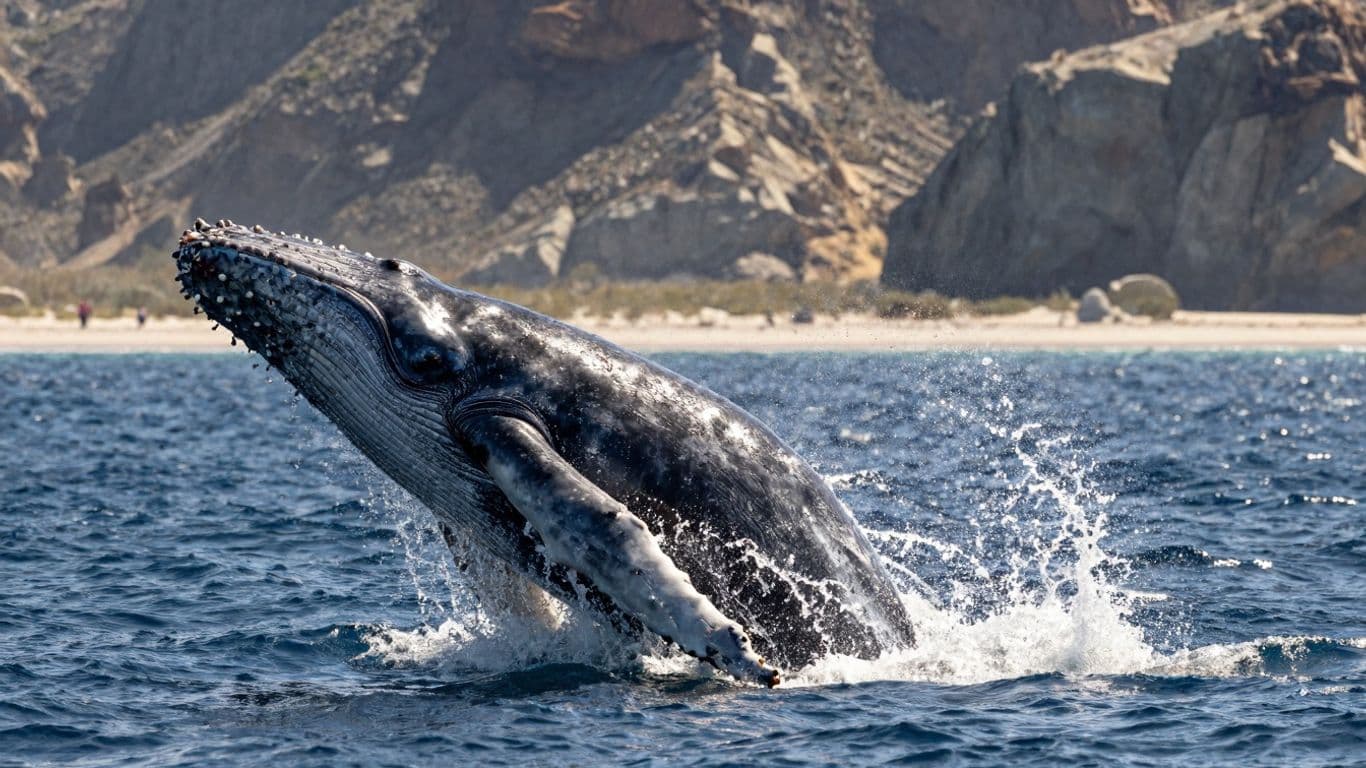
Thinking about heading to Cabo next year for whale watching? It's a pretty amazing experience, and knowing the right times to go makes all the difference. This guide is here to help you figure out the best dates and what to expect, so you don't miss out on seeing these gentle giants. We'll cover when the whales are actually around, when the official tours can start, and how to make the most of your trip.
### Key Takeaways
* The official Cabo whale season dates for 2025-2026 run from December 15th to April 15th, giving you a solid four months to plan your visit.
* While the official season starts mid-December, some early whales can be spotted from shore as early as November, though boat tours won't be running.
* Peak whale viewing months are typically January through March, offering the highest chance of seeing various whale species like humpbacks and grays.
* When booking a tour, remember that licensed operators must maintain a safe distance from whales to protect them, so don't expect super close encounters unless a whale approaches.
* Besides whale watching, consider other marine activities like swimming with whale sharks in La Paz (check seasonal availability) or orcas in La Ventana, but be aware of travel times and any restrictions.
## Understanding Cabo Whale Season Dates
So, you're planning a trip to Cabo for whale watching in the 2025-2026 season? That's awesome! Knowing the dates is pretty important, so let's break it down.
### Official Start And End Of The Season
The official whale watching season in Los Cabos kicks off on December 15th, 2025. This is the date when licensed tour operators can legally start taking people out on the water to see the whales. The season wraps up on April 15th, 2026. So, you've got a good four-month window to catch these incredible creatures.
### Peak Viewing Months For Optimal Sightings
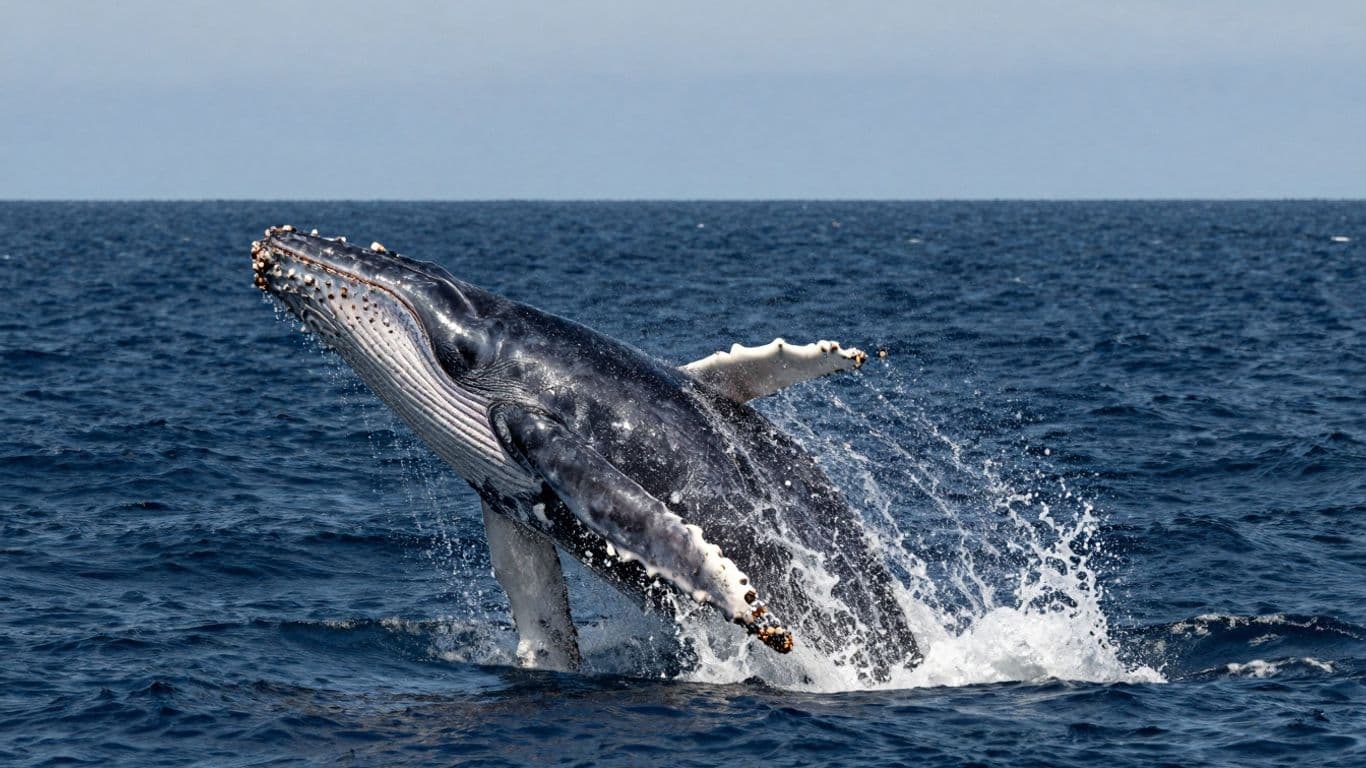
While you can see whales throughout the entire season, the absolute best time for sightings is generally from January through March. During these months, the highest concentration of whales is usually passing through the area. It's rare for tours during this peak period to _not_ spot some of the many species that visit, including humpbacks and grays, which are the most common.
### Early Arrivals And Late Departures
Now, here's a little secret: whales don't always stick to a strict schedule. You might get lucky and spot some early arrivals even before the official season starts, sometimes as early as November. Likewise, some stragglers might still be around after April 15th. However, remember that official tours aren't allowed until December 15th, so any pre-season sightings are usually from shore. **The most reliable window for guaranteed sightings is January to March.**
Here's a quick rundown:
* **Early November - Mid-December:** Whales might be spotted from shore, but official tours haven't started.
* **December 15th - April 15th:** Official whale watching season. Licensed tours operate.
* **January - March:** Peak season with the highest likelihood of multiple sightings.
> It's important to remember that while these dates provide a solid framework, whale behavior is natural and unpredictable. The regulations are in place to protect them, so respecting the official season and tour operator guidelines is key to a responsible and enjoyable experience.
## Planning Your Whale Watching Adventure
So, you're ready to see some whales! That's awesome. But before you jump on the first boat you see, a little planning goes a long way to making sure your trip is amazing, not a bust. It’s not just about showing up; it’s about being smart with your choices.
### Choosing The Right Tour Operator
This is a big one. Not all whale watching tours are created equal. You want a company that knows what they're doing, respects the animals, and makes sure you have a good time. Look for operators who are licensed and insured – this usually means they're following safety rules and actually care about the whales.
* **Certified Guides:** Companies with marine biologists or trained naturalists on board can tell you so much more about the whales you're seeing. They know the species, their habits, and can point out cool behaviors you might otherwise miss.
* **Small Groups:** Honestly, a smaller boat with fewer people is usually a better experience. You get more space, less noise, and the boat can maneuver better without disturbing the whales.
* **Reputation:** Check reviews! See what other people are saying about their trips. Did they see whales? Was the crew knowledgeable and friendly? Were they safe?
* **Equipment:** Some tours use hydrophones, which let you hear the whales' songs underwater. Pretty neat, right?
### Booking Your Excursion: Timing Is Everything
When you book can make a difference. The official season runs from mid-December to mid-April, but the absolute best time for sightings is usually January through March. If you're looking to save a bit and avoid the biggest crowds, consider going in early December (though official tours might not be running yet, you might catch early arrivals from shore) or later in April.
Here's a quick look at what to expect price-wise during peak season:
| Time of Year | Average Hotel Cost (USD) | Whale Tour Availability | Notes |
| --- | --- | --- | --- |
| December (Early) | $300 - $450 | Limited (Shore-based) | Early arrivals possible, tours start mid-month |
| January - March | $500+ | High | Peak season, most reliable sightings |
| April (Late) | $350 - $500 | Decreasing | Late departures, fewer crowds |
**Booking well in advance is highly recommended, especially if you're traveling during holidays or want a specific tour.** Popular operators and accommodations fill up fast.
### What To Expect On A Whale Watching Tour
First off, be prepared for the ocean. Even on a sunny day, it can get breezy and cool out on the water, so layers are your friend. Think a windbreaker or a fleece, maybe a hat. You might get splashed, too, so waterproof gear is a good idea if you have it.
* **Motion Sickness:** If you're prone to seasickness, bring medication or consider remedies like ginger chews. The ocean can be unpredictable.
* **Sun Protection:** The sun is strong, even when it's not scorching hot. Sunscreen, a hat, and sunglasses are a must. You don't want to spend your vacation nursing a sunburn.
* **Patience is Key:** Whales are wild animals, not performers. They won't always be breaching right next to the boat. Sometimes you'll wait a bit, scanning the horizon. The guides are experts at spotting the signs – a puff of mist, a flick of a tail. Enjoy the ride and the anticipation!
* **Camera Ready (But Not Too Ready):** You'll want photos, for sure. But don't spend the whole trip looking through a lens. Take your pictures, then put the camera down and just _be_ there. Watching a whale breach with your own eyes is a totally different experience.
> Remember, you're out there to observe these magnificent creatures in their natural environment. The goal is to have an incredible sighting without disturbing them. Responsible tour operators will maintain a safe distance and follow guidelines to minimize stress on the whales, especially mothers and their calves.
## Maximizing Your Whale Watching Experience
So, you're heading to Cabo for whale season 2025-2026 and want to make sure you get the most out of it? Awesome! It's not just about hopping on a boat and hoping for the best. A little planning and knowing what to look for can really make a difference. Let's talk about how to get those epic whale sightings.
### Best Beaches For Shore-Based Whale Spotting
While boats are great, you can actually spot whales from land, especially if you know where to look. Protected coves are your friend here, offering calmer waters and a good vantage point. Think about places like Chileno Beach or Santa Maria Bay. They're often good spots because the water is a bit more sheltered. You might even see activity from places like Palmilla or Medano Beach if you're lucky. Keep an eye out for those tell-tale puffs of mist – that's a whale blowing water!
* **Chileno Beach:** Known for its calm waters and good visibility.
* **Santa Maria Bay:** Another sheltered spot, great for spotting from shore.
* **Palmilla Beach:** A longer stretch where you might catch sight of whales further out.
### Essential Gear For A Successful Outing
Packing right is key. You might think Cabo is all about heat, but out on the water, it can get breezy and cool, especially in the mornings or late afternoons. Layers are your best bet. Think a sweatshirt or a light jacket. Waterproof gear is also a good idea – you never know when a rogue wave or some sea spray might hit.
* **Layers of clothing:** Start with a base layer, add a fleece or sweatshirt, and have a windbreaker or waterproof jacket handy.
* **Sun protection:** Even with the breeze, the sun is strong. Sunscreen, a hat, and sunglasses are a must.
* **Binoculars:** A good pair (8x to 10x magnification) can help you spot whales from a distance and see more detail.
* **Camera:** Obviously! But remember to also just watch with your own eyes.
* **Motion sickness remedies:** If you're prone to seasickness, bring medication or consider acupressure bands.
* **Water and snacks:** Stay hydrated and keep your energy up.
> Remember, whales are wild animals. While tour operators follow strict rules to keep a safe distance, the whales might occasionally come closer. Patience is key, and respecting their space is paramount for a positive experience for both you and the animals.
### Understanding Whale Behavior And Etiquette
Knowing a bit about whale behavior can really amp up your experience. When you see that first blow, don't just look away. Whales often breathe in a series. So, if you see one spout, stick with it for a few minutes. You might see a tail fluke, a breach, or even a spyhop (where they poke their head out of the water). It's pretty amazing stuff.
When you're out on a tour, remember the rules. Boats have to keep a certain distance, usually around 60-80 meters. Don't expect them to chase the whales. The goal is observation, not interaction. And if you're on shore, don't crowd other people trying to get a look. Give everyone space. Also, avoid using drones near wildlife; they can really disturb the animals and are often against local rules. It's all about being a respectful observer in their home.
## Beyond The Boat: Other Marine Encounters
While the humpbacks and grays get all the glory during whale season, Cabo and its surrounding waters are teeming with other amazing marine life. You don't always need a boat to have incredible wildlife experiences. Sometimes, the best adventures are just a short drive away, offering a different perspective on Baja's rich ocean ecosystem.
### Swimming With Orcas In La Ventana
La Ventana, a bit north of Cabo, is famous for its windsurfing and kitesurfing, but it also offers a unique chance to swim with orcas, though this is a much rarer encounter than whale watching. These intelligent predators are sometimes spotted in the Sea of Cortez, and with specialized, responsible tour operators, you might get the chance to snorkel or dive near them. **It's important to remember that these are wild animals, and safety and respect for their space are paramount.** The season for orca sightings here is generally from late October through March, coinciding with the migration of their prey.
### Whale Sharks In La Paz: A Seasonal Update
Just a few hours north of Cabo, La Paz is the place to be if you want to swim with whale sharks. These gentle giants are the largest fish in the sea, and they frequent the waters around La Paz from October to May. Unlike their toothed cousins, whale sharks are filter feeders, making them harmless to humans. Several reputable companies offer tours that allow you to get into the water and swim alongside these magnificent creatures. The rules are pretty strict to protect the sharks:
* Boats are limited in size (no more than 36 feet).
* Group sizes are kept small (maximum of 5 people per boat).
* Swimmers must stay at least six feet away from the whale shark's body.
* Maintain a distance of at least 10 feet from the whale shark's tail for your own safety.
> The waters around La Paz are a vital feeding ground for whale sharks, and responsible tourism practices are in place to ensure these animals continue to thrive. It's an experience that truly connects you with the ocean's gentle giants.
These excursions offer a different kind of marine encounter, focusing on close-up, personal experiences with some of the ocean's most impressive inhabitants. Remember to book with certified operators who prioritize the well-being of the animals and adhere to all regulations.
## Historical Context Of Whales In Baja
### From Whaling Grounds To Protected Waters
It's wild to think about, but the waters around Baja California, especially here in Los Cabos, weren't always the peaceful sanctuaries they are today. Back in the 19th century, this area was a major spot for whaling. Seriously, some of the very first folks to settle down in what's now Los Cabos were actually guys who jumped ship from whaling vessels. They were looking for a better life, escaping the tough conditions on those ships. You'll find old records mentioning family names like Hastings, Collins, and Robinson showing up around here, many of them former whalers. It paints a picture of a very different Baja, a place where these massive creatures were hunted, not admired.
> The shift from a hunting ground to a haven for marine life didn't happen overnight. It took a significant change in how people viewed these animals and a concerted effort to protect them.
By the late 20th century, though, things really started to change. Attitudes softened, and a new kind of industry began to emerge: whale watching. Instead of being targets, whales became the stars of the show. Laws were put in place to protect them, and even the timing of when tours could go out started to be regulated. It's a pretty amazing transformation, turning a place known for its whaling past into a world-renowned destination for observing these gentle giants.
### The Evolution Of Whale Watching Tourism
Today, whale watching is a massive part of the tourism scene here. It's not just a casual activity; it's a regulated business that brings tens of thousands of visitors each year. The official season, when licensed boats can take people out, typically runs from mid-December to mid-April. This structured approach is all about minimizing disturbance to the whales, especially mothers and their calves, as they migrate and breed.
Here's a quick look at how the season is structured:
* **Official Season Start:** December 15th
* **Official Season End:** April 15th
* **Peak Viewing Months:** January to March
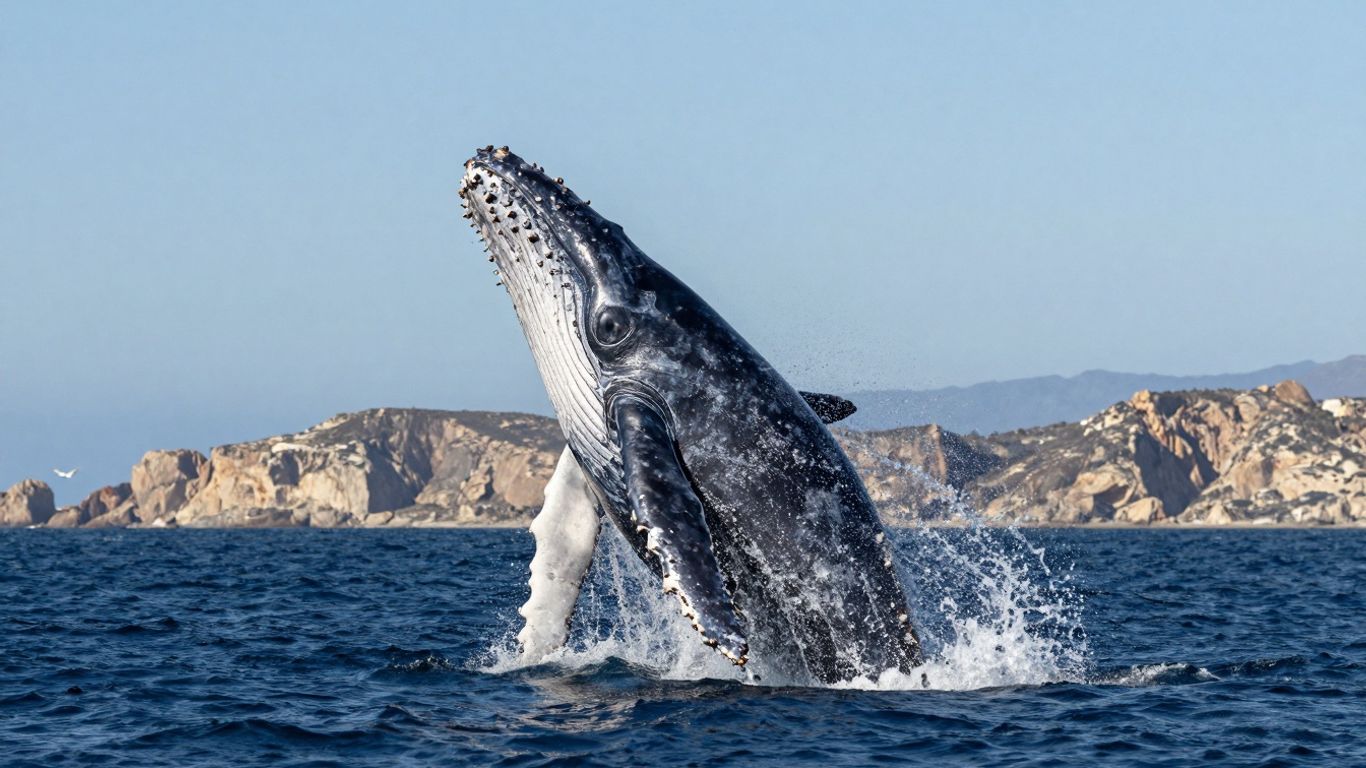
While the official season has set dates, you might get lucky and spot early arrivals or late departures. Some early sightings have been reported as far back as November off protected coves. The most commonly seen species are gray and humpback whales, with humpbacks being famous for their incredible breaching displays. It's a far cry from the days when these waters were primarily known for whaling ships, showing just how much things have evolved.
## Wrapping Up Your Cabo Whale Adventure
So there you have it, your guide to the 2025-2026 whale watching season in Cabo. It’s pretty amazing to think how things have changed from when whalers used to hunt these giants to now, where we protect them and travel miles just to see them. Whether you're spotting them from shore before the official season kicks off on December 15th, or heading out on a licensed boat tour between then and April 15th, remember to be patient. These magnificent creatures are on their own schedule. The peak months of January through March offer the best odds for seeing a variety of species, especially the acrobatic humpbacks. Just pack smart, respect the rules, and soak it all in – it’s an experience you won’t forget.
Explore Yacht Charters in Cabo
From sunset cruises to deep-sea fishing, experience the Sea of Cortez aboard a luxury yacht with a professional crew.
Browse Yacht ChartersStay in the Loop
Get the latest Cabo travel tips and exclusive deals delivered to your inbox.