


Back to Blog
Thinking about heading to Cabo in 2025-2026 to catch a glimpse of the amazing whales? You're in for a treat! This area is famous for its incredible whale watching opportunities. From when the season officially kicks off to the best spots to see these gentle giants, we've got you covered. It's a truly magical experience that many people dream about, and Cabo makes it easy to make that dream a reality. Just remember, these are wild animals, so patience and respect go a long way.
### Key Takeaways
* The official cabo whale watching season runs from December 15, 2025, to April 15, 2026, but early sightings can happen from November.
* Humpback and gray whales are the most common species seen, known for their impressive breaching behaviors.
* While licensed tours are regulated, early sightings can be enjoyed from shore at protected coves like Chileno and Santa María.
* When on a tour, operators must maintain a distance of 60-80 meters from whales, and visitors should avoid drones and unlicensed boats.
* Pack layers, sun protection, and consider binoculars for the best experience, while always managing expectations for wild animal encounters.
## Cabo Whale Watching Season 2025-2026
### Official Season Dates
The official whale watching season in Los Cabos for 2025-2026 kicks off on December 15th, 2025. This date is set for when licensed tour operators can officially begin their excursions. The season wraps up on April 15th, 2026, giving you a solid four-month window to witness these incredible marine mammals. While the official dates are set, it's worth noting that whales often start arriving in local waters a bit earlier, sometimes by early November, and might linger a bit past the official end date.
### Early Sightings and Shore Spotting
Even before the official season begins, you might be lucky enough to catch a glimpse of whales from shore. Some of the pioneering whales, often humpbacks and gray whales, make their appearance weeks before December 15th. Locals and early visitors have reported spotting spouts and tail slaps from beaches along the Tourist Corridor. Protected coves like Chileno and Santa María, as well as the wider horizons near Palmilla and El Médano, are good spots to keep an eye on. Remember, though, that while you can spot them, taking a boat out to see them isn't permitted until the official season opens.
> Mexico has strict regulations in place to protect these migrating animals. The goal is to minimize stress on mothers and calves, especially during their breeding and calving periods. Adhering to these rules is vital for the well-being of the whales and the continuation of this amazing natural spectacle.
### Peak Viewing Months
While you can see whales throughout the entire season, the absolute best time to go is generally from January through March. During these months, the chances of encountering multiple whale species are highest, and their activity is often more pronounced. It's a rare tour that doesn't spot some whales during this peak period. This timeframe also coincides with high season for tourism in Cabo, so expect more crowds and higher prices for accommodations and tours. Planning ahead is definitely a good idea if you're aiming for these prime months. The most commonly sighted species during this time are humpback and gray whales, with humpbacks being particularly famous for their acrobatic breaches.
| Month | Likelihood of Sightings |
| --- | --- |
| December | Moderate |
| January | High |
| February | Very High |
| March | High |
| April | Moderate (decreasing) |
## Understanding Whale Behavior and Sightings
### Commonly Sighted Species
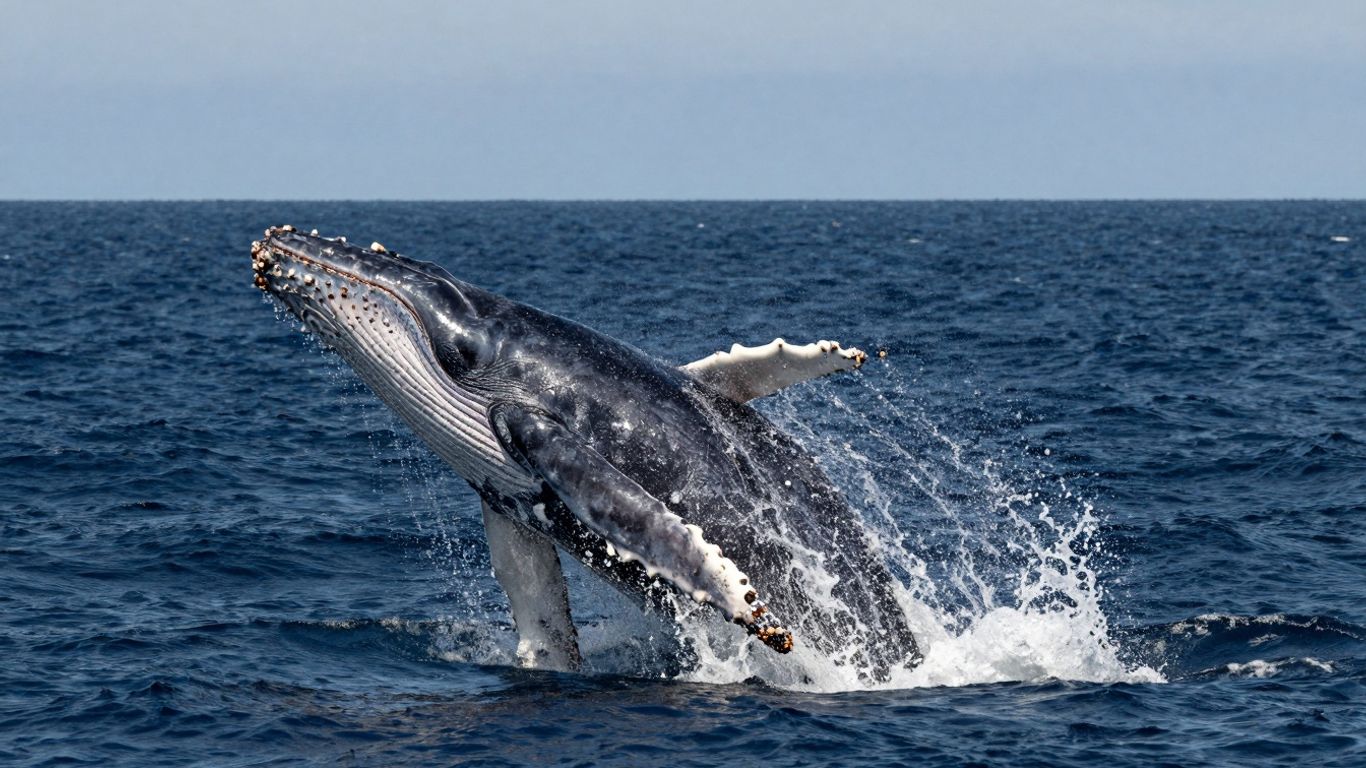
When you head out on the water in Cabo, you're most likely to see a few types of whales. Humpback whales are a big draw, and for good reason. They're known for their acrobatic displays, like breaching – that's when they throw their massive bodies out of the water. It's quite a show! Gray whales are also very common here. They tend to be a bit more reserved than humpbacks, but still a fantastic sight. While less frequent, you might also spot Bryde's whales, fin whales, or even the occasional blue whale, though those are rarer sightings. Orcas, or killer whales, sometimes pass through too, though they're not as common as the others.
### Humpback and Gray Whale Behavior
Humpback whales are the show-offs of the ocean. They're famous for their breaching, tail slapping, and fin slapping. These behaviors can be for communication, mating rituals, or even just to get rid of barnacles. They often travel in pods and can be quite active at the surface. Gray whales, on the other hand, are often seen traveling in smaller groups or alone. They're known for their long migration and can sometimes be seen feeding closer to shore. **Their calmer demeanor makes them a great species for spotting from land.** You might see them making steady progress on their journey, with regular breaths and dives.
### Managing Expectations for Sightings
It's important to remember that whales are wild animals, and they don't perform on cue. You might have days where you see whales constantly, and other days where it takes a while to find them. Patience is definitely a virtue when whale watching. While Cabo has a high population of whales during the season, seeing a whale breach right in front of your boat isn't guaranteed. They might just surface for a breath and then disappear. The thrill is in the chase and the surprise of spotting these magnificent creatures in their natural environment. Don't go expecting a circus; go expecting to witness nature at its finest.
> Whale watching is about observing these animals in their home. It's not a zoo, and they aren't actors. Sometimes they'll put on a show, and sometimes they'll just swim by. Either way, it's an incredible experience to see them at all.
Here's a quick look at what you might expect:
* **Humpback Whales:** Known for breaching, tail slapping, and active surface behavior.
* **Gray Whales:** Often seen migrating, sometimes closer to shore, generally more subdued behavior.
* **Other Species:** Bryde's, fin, blue, and orcas are possible but less common.
Remember, the best viewing times are typically January through March, but early sightings can happen as early as November or December.
## Choosing Your Cabo Whale Watching Experience
So, you're ready to see some whales in Cabo! That's awesome. But before you jump on the first boat you see, let's talk about how to pick the right experience. It's not just about seeing whales; it's about doing it right, safely, and in a way that respects these amazing creatures.
### Licensed Tour Operators
When the official whale watching season kicks off around mid-December, you'll see a lot of boats offering tours. It's super important to go with a licensed operator. These companies have permits and know the rules. They're trained to keep a safe distance from the whales – usually around 200 to 250 feet, depending on the boat size. This isn't just a suggestion; it's a regulation designed to keep the whales calm and safe, especially mothers and their calves. Plus, these operators are usually more knowledgeable about whale behavior and the best spots.
### Boat Distances and Regulations
Speaking of distances, it's a big deal. The law requires boats to stay a certain distance away from the whales. This is to prevent stressing them out. Whales are wild animals, and while they might sometimes swim closer to boats on their own, the tour operators aren't allowed to chase them or get too close. It's all about observation without interference. You might see smaller boats like Zodiacs or larger catamarans; they all have to follow the same guidelines. Remember, the goal is to watch them in their natural environment, not to interact directly.
### Alternative Wildlife Encounters
While whale watching is the main event from December to April, Cabo has wildlife year-round. You might be surprised what you can see even if you're not on a dedicated whale tour. Sometimes, you can spot whale spouts or even breaches from shore, especially from beaches like Chileno or Santa María. Coastal restaurants and golf courses along the Tourist Corridor can also offer unexpected sightings. If you're visiting outside the peak whale season, keep your eyes peeled – you never know what marine life might pass by. It's a good reminder that the ocean is full of activity, even when the whales are on their migration journey.
> Picking the right tour isn't just about finding whales; it's about choosing a responsible way to see them. Licensed operators follow rules that protect the animals, making sure your experience is both memorable and ethical. It's a win-win for everyone involved.
## Best Locations for Whale Watching
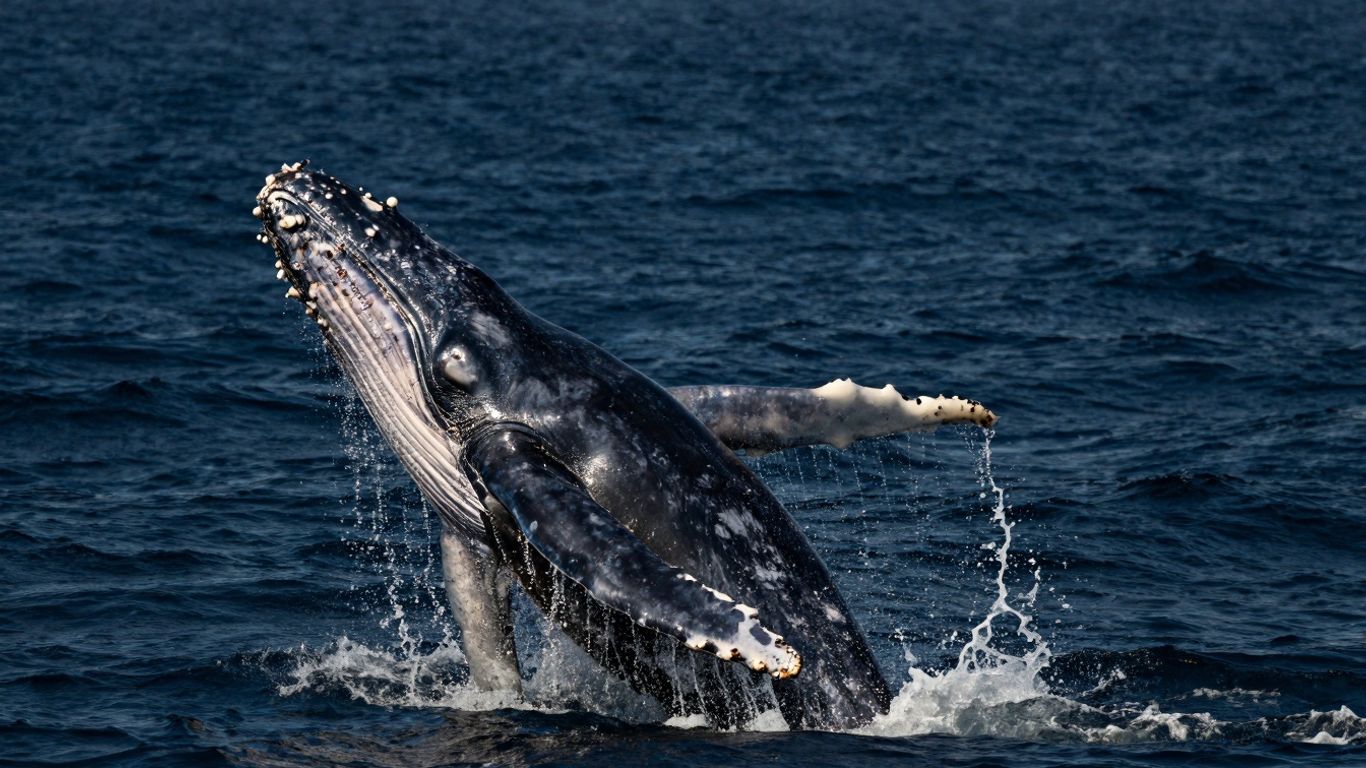
When you're thinking about where to catch a glimpse of these magnificent creatures in Cabo, you've got a few solid options. It's not just about hopping on any boat; knowing the spots can really make a difference. Some areas are just naturally better for spotting whales, whether you're on the water or keeping your feet on dry land.
### Protected Coves for Shore Viewing
If you prefer to stay on solid ground, several protected coves offer fantastic vantage points. These spots are often calmer, giving you a clearer view of the water. Early mornings on days with less wind are your best bet. Look for the tell-tale puffs of mist, or 'blows,' that linger above the horizon. Sometimes, you can even see the dark arch of a whale's back or a fluke lift right from the shore. It's a more relaxed way to whale watch, and you might be surprised at how close you can get to the action without even leaving the beach.
* **Chileno Bay:** Known for its clear waters and calm conditions, it's a great spot for shore-based viewing.
* **Santa Maria Bay:** Similar to Chileno, this cove offers protection and good sightlines.
* **Palmilla Beach:** A bit more open, but still a popular area for spotting spouts further out.
### Coastal Restaurants and Golf Courses
Believe it or not, some of the best whale sightings can happen while you're enjoying a meal or a round of golf. Several restaurants and golf courses are situated along the coast with unobstructed views of the ocean. Imagine sipping a margarita or lining up a putt, only to have a whale breach in the distance. It's an unexpected but delightful bonus! Many of these places are located along the Tourist Corridor, a stretch of coastline that whales frequently pass. Keep an eye out, especially during the peak months. You might even catch a glimpse of the action like they did during the [World Wide Technology Championship](https://loscabospassport.com/whale-watching-los-cabos-2026/).
### Marina Departures
Of course, the most direct way to see whales is by joining a dedicated tour. Most whale watching excursions depart from the marinas in Cabo San Lucas and Puerto Los Cabos (near San José del Cabo). These are the hubs for licensed operators who know the waters and the whales' habits. Booking a tour from here means you'll be heading out to where the action is, with guides who can point out different species and behaviors. Remember, licensed operators follow strict rules about how close they can get, which is for the safety and well-being of the whales.
> While shore viewing is free and accessible, heading out on a boat with a reputable operator significantly increases your chances of close encounters and provides a more immersive experience. They have the equipment and knowledge to find the whales.
Here's a quick look at where tours typically depart from:
| Location | Common Departure Point |
| --- | --- |
| Cabo San Lucas | Main Marina (multiple docks) |
| San José del Cabo | Puerto Los Cabos Marina |
## Preparing for Your Whale Watching Adventure
Getting ready for a whale watching trip in Cabo is pretty straightforward, but a little planning goes a long way. You want to be comfortable so you can actually enjoy watching these amazing animals. It’s not like going to the movies; you’re out on the ocean, and things can change quickly.
### What to Pack for On-Water Excursions
Even when it feels warm on land, the sea breeze can make things chilly once you're out on the water. **Layers are your best friend.** Think a light jacket or sweatshirt you can easily take off or put on. A hat that covers your ears is a good idea too, especially if it's windy. Some people even bring a small blanket, which can be nice if you get cold easily. Waterproof shoes or sandals are also smart, just in case you get splashed. You might also want to pack some snacks and water, though most tours provide these. And if you're prone to seasickness, bringing medication is a wise move.
### Sun Protection Essentials
Don't let a sunburn ruin your day. The sun in Cabo is strong, and you'll be out on the water for a good chunk of time. Even with the breeze, you can get seriously burned. Make sure to slather on that sunscreen before you even get on the boat. A wide-brimmed hat and sunglasses are also a must. Remember to reapply sunscreen throughout the day, especially if you're spending a lot of time out on the water.
### Essential Viewing Tools
While your phone camera will probably get a workout, sometimes a little extra help makes spotting whales easier. Binoculars are a great addition to your whale watching kit. Aim for something around 8x or 10x magnification – not too powerful, but enough to get a closer look without disturbing the animals. If you plan on taking photos or videos, a phone clip for a tripod can help keep things steady, especially if the boat is rocking a bit. But honestly, don't forget to just put the camera down and watch with your own eyes. It's a different experience when you're not looking through a lens. You can find some great [local tour operators](https://konasnorkeltrips.com/blog/whale-watching-big-island-27/) who know the best spots.
> Patience is key when you're out on the water. Whales are wild animals, and they don't perform on a schedule. You might see a spout right away, or it might take a little while. Enjoy the journey and the ocean air; the whales will show up when they're ready.
## Responsible Whale Watching Practices
When you head out to see the magnificent whales in Cabo, it's super important to remember we're visitors in their home. These gentle giants are on a long journey, and our goal is to watch them without causing them any stress. It’s all about being respectful and giving them plenty of space.
### Respecting Wildlife Distances
Licensed tour operators follow strict rules to keep a safe distance from the whales. This usually means staying at least 60 to 80 meters (about 200 to 250 feet) away. It might seem far, but it's for the best. **This distance helps prevent disturbing their natural behaviors, like feeding or caring for their young.** Sometimes, a curious whale might swim closer, and that's okay, but boats aren't supposed to chase or crowd them. It’s a delicate balance, and the guides are trained to manage it.
### Avoiding Drones and Unlicensed Boats
While it might be tempting to get that perfect aerial shot, drones can really spook whales and other marine life. Local regulations often prohibit drone use over wildlife areas for this reason. Also, stick to licensed and insured tour operators. These companies know the rules, have trained staff, and contribute to conservation efforts. Avoid booking with unofficial "under-the-radar" boats; they might not follow safety or distance guidelines, putting both you and the whales at risk.
### Supporting Sustainable Tourism
Choosing operators who are committed to sustainable practices makes a big difference. Look for companies that educate their passengers about whale behavior and conservation, and that actively participate in research or clean-up efforts. Your money can support the protection of these incredible creatures and their habitat for future generations. It’s about enjoying the show while also being a good steward of the ocean.
## Ready for Your Whale Adventure?
So, there you have it. The 2025-2026 whale watching season in Los Cabos officially kicks off on December 15th and runs through April 15th. While you might catch an early glimpse from shore in November, the real magic happens when you're out on the water with the licensed tour operators. Remember, patience is key, and respecting the whales' space is super important. Whether you're aiming for the peak months of January to March or catching the tail end in April, getting out there to see these incredible creatures is an experience you won't forget. Pack smart, stay safe, and get ready for some amazing sights!
Book Unforgettable Adventures
From whale watching to ATV tours, explore the best activities and excursions that Cabo San Lucas has to offer.
Explore AdventuresStay in the Loop
Get the latest Cabo travel tips and exclusive deals delivered to your inbox.