


Cabo Beach 2025: What You Need to Know

Thinking about a trip to Cabo Beach in 2025? It's a popular spot, and for good reason—sun, sand, and good vibes. But like any travel destination, it's smart to know a few things before you go. This guide will help you get ready for a fun and safe vacation, covering everything from getting around to staying healthy. We'll make sure you're all set for your Cabo Beach 2025 adventure.
Key Takeaways
- Always check with locals or hotel staff about safe areas and transportation options in Cabo.
- Be careful around the water; watch for strong currents and jellyfish, and pay attention to beach flags.
- Don't drink tap water; stick to bottled water and be aware of your drinks at all times.
- Know about the local wildlife, like insects, and understand the hurricane season for Cabo Beach 2025.
- Consider getting travel insurance and pack smart for your trip to Cabo.
Understanding Cabo Beach Safety in 2025
Assessing Overall Safety for Cabo Beach 2025
Is Cabo San Lucas safe in 2025? That's a question on many travelers' minds. The truth is, like any popular tourist destination, Cabo has its share of safety concerns. However, with some preparation and common sense, you can have a fantastic and safe trip. Crime is still a concern, so it's important to be aware of your surroundings and take precautions. The Los Cabos Tourism Observatory reported over 2 million U.S. visitors in 2022, showing its popularity, and most visits are trouble-free.
Specific Safety Tips for Cabo Beach Visitors
Here are some specific things you can do to improve your safety in Cabo:
- Trust Local Advice: Ask hotel staff or reputable tour guides about safe areas and transportation. They can offer insights you won't find online.
- Use Reputable Transportation: Stick to taxis from authorized stands or pre-booked transportation services. Avoid unmarked cars.
- Stay Aware: Keep an eye on your belongings, especially in crowded areas. Don't flash expensive jewelry or large amounts of cash.
It's always a good idea to let someone know your plans, especially if you're traveling alone. Share your itinerary with a friend or family member and check in regularly. Consider using a safety app that allows you to share your location with trusted contacts.
Leveraging Local Knowledge for a Safe Trip
One of the best ways to stay safe is to tap into local knowledge. Locals can provide up-to-date information on areas to avoid, current scams, and safe transportation options. Don't hesitate to ask for recommendations on luxury villas and other services from trusted sources. Consider these points:
- Concierge Recommendations: Hotel concierges are a great resource for local insights.
- Tour Guides: Reputable tour operators can provide safe and informative experiences.
- Online Forums: Check travel forums for recent safety updates and tips from other travelers.
By staying informed and taking precautions, you can minimize risks and enjoy all that Cabo has to offer.
Navigating Transportation in Cabo Beach

Utilizing Safe Transportation Options
Getting around Cabo can be pretty straightforward if you plan a bit. The key is to prioritize reputable services. Forget about just hopping into any old taxi you see on the street; that's a gamble you don't want to take. Instead, stick with options like Uber or the transportation services offered by your hotel. These are generally much safer and more reliable. If you do end up using Uber, double-check that the car and license plate match what's on the app before you get in, and maybe sit in the back seat just to be extra cautious.
Tips for Driving in Cabo Beach
Driving in Cabo? Honestly, I'd say avoid it if you can. But if you absolutely have to, there are a few things to keep in mind. First off, stick to driving during the daytime. Roads can get a little sketchy at night, and it's just not worth the risk. Also, try to stay on well-traveled roads, especially the toll roads if you're heading out of the city. And for goodness' sake, keep your gas tank full! You don't want to get stranded somewhere unfamiliar. Make sure you have cell service so you can use maps. It's also a good idea to download offline maps, just in case.
Avoiding Unsafe Travel Practices
There are definitely some travel practices you should avoid while in Cabo. Hailing a cab off the street is a big no-no. You really don't know who you're getting in with, and it's just not worth the risk. If you have to use a taxi, make sure you negotiate the fare before you get in. That way, there are no surprises later. Also, be aware of your surroundings, especially at night. Don't wander off into dark or deserted areas, and try to travel with a group if you can. It's always better to be safe than sorry. Consider using an app like bSafe to let people know where you are. For a truly luxurious experience, consider booking Cabo yacht experiences for a safe and unforgettable adventure.
It's easy to get caught up in the vacation vibe, but remember that you're in a different country with different rules and customs. Staying aware and making smart choices about transportation can make a huge difference in your overall safety and enjoyment of your trip.
Water Safety at Cabo Beach
Being Beach and Water Smart
The ocean around Cabo is beautiful, but it can also be dangerous. Riptides are common, jellyfish can be plentiful, and lifeguards might not always be around. It's important to be aware of these risks and take precautions. Before you even think about dipping a toe in, take a good look at the beach. Are there any warning signs? Are other people swimming, or are they staying closer to shore? Pay attention to your surroundings, and don't assume that just because it looks calm, it's safe. Also, consider that the popular beaches are often the safest.
Understanding Water Safety Flags and Warnings
Cabo uses a flag system to indicate water safety conditions. It's similar to a traffic light, but with an extra color:
- Green: Safe to swim.
- Yellow: Exercise caution; conditions might be rough.
- Red: High hazard; swimming is not recommended.
- Black: Extreme danger; the beach is closed to swimming.
Always check the flags before entering the water, and don't ignore them. The flags are there for a reason, and they can save your life. It's also a good idea to ask locals about the current conditions. They often have valuable insights that you won't find on a sign.
Best Practices for Swimming in Cabo Beach
To stay safe while swimming in Cabo:
- Swim at beaches with lifeguards whenever possible.
- Never swim alone.
- Avoid swimming after drinking alcohol.
- Be aware of currents and riptides. If you get caught in a riptide, don't panic. Swim parallel to the shore until you're out of the current, then swim back to the beach.
- Keep an eye out for marine life, such as jellyfish and stingrays.
It's always better to be over-prepared than under-prepared when it comes to water safety. Make sure you have a buddy, know the risks, and pay attention to your surroundings. A little bit of caution can go a long way in ensuring a safe and enjoyable trip to Cabo Beach.
Health and Hygiene for Your Cabo Beach Vacation
Avoiding Tap Water and Staying Hydrated
Okay, so here's the deal with water in Cabo. Don't drink the tap water. Seriously, just don't. It's not worth the risk. Stick to bottled water, and make sure it's sealed when you get it. "Agua purificada" is your friend – that's purified water, and it's widely available.
- Always ask for drinks without ice, unless you're sure the ice is made from purified water.
- Carry a reusable water bottle and refill it with bottled water throughout the day.
- Dehydration can sneak up on you in the heat, so drink more water than you think you need.
Staying hydrated is super important, especially when you're out in the sun all day. It's easy to forget to drink enough, but trust me, you'll feel a whole lot better if you keep that water bottle handy.
Practicing Good Personal Hygiene
Good hygiene is always important, but especially when you're traveling. Cabo is a popular tourist destination, and that means germs can spread easily. Washing your hands frequently is the simplest, most effective way to stay healthy.
- Wash your hands with soap and water often, especially before meals and after using the restroom.
- Carry hand sanitizer with you for times when soap and water aren't available.
- Avoid touching your face as much as possible.
Protecting Against Drink Spiking
Okay, let's talk about something that's not fun, but important: drink spiking. It's not super common, but it can happen, so it's best to be aware and take precautions. Always watch your drink, and never accept drinks from strangers. If you leave your drink unattended, even for a second, get a new one. It's better to be safe than sorry. If you're heading out to the bars, make sure you know the safe parts of the area.
- Never leave your drink unattended.
- Don't accept drinks from strangers.
- If your drink tastes strange, don't drink it.
Dealing with Natural Hazards in Cabo Beach
Awareness of Insects, Snakes, and Scorpions
Okay, so Cabo is beautiful, but it's also home to some critters you might not want to meet. We're talking insects, snakes, and scorpions. It's not usually a huge problem, but being aware can save you some trouble. Here's the deal:
- Insects: Mosquitoes can be annoying, especially during the rainy season. Bring repellent. Also, watch out for ants, especially if you're eating outside.
- Snakes: Most snakes around Cabo aren't aggressive, but it's still best to give them space. If you're hiking, stick to marked trails and wear closed-toe shoes.
- Scorpions: Scorpions are more active at night. Shake out your shoes and clothes before putting them on, and be careful where you step if you're walking around outside after dark. If you get stung, seek medical attention.
Understanding Hurricane Season in Cabo Beach
Cabo's weather is generally fantastic, but there's a hurricane season to consider. It officially runs from July to September. While Baja California Sur isn't as prone to direct hits as some other areas, it's still smart to be prepared. Here's what you should know:
- Monitor the Forecast: Keep an eye on the weather reports before and during your trip. The National Hurricane Center is a good resource.
- Travel Insurance: Consider travel insurance plans that cover hurricane-related disruptions. It can help with cancellations or unexpected expenses.
- Be Flexible: Have a backup plan in case a hurricane threatens your trip. This might mean changing your travel dates or finding alternative accommodations.
It's easy to get caught up in vacation planning, but don't forget to think about potential disruptions. A little preparation can make a big difference if a storm heads your way.
Preparing for Earthquakes and Volcanoes
Earthquakes and volcanoes are less common than hurricanes, but they're still a possibility in Baja California. Here's what to keep in mind:
- Earthquakes: Earthquakes can happen without warning. If you feel one, stay calm. If you're indoors, take cover under sturdy furniture or in a doorway. If you're outdoors, move away from buildings and power lines.
- Volcanoes: Volcanic activity is rare in this region, but it's good to be aware. Pay attention to any alerts from local authorities.
- Emergency Kit: Having a basic emergency kit with water, non-perishable food, and a flashlight is always a good idea, no matter where you're traveling. You can use an app like bSafe to let others know where you are.
Essential Travel Preparations for Cabo Beach 2025
Considering Travel Insurance for Cabo Beach
Okay, so travel insurance. It might seem like an extra expense, but honestly, it's a smart move, especially for a trip to Cabo. Think of it as a safety net. What if you get sick? What if your flight gets canceled? What if your luggage decides to take a detour to a different country? Travel insurance can cover these unexpected costs and give you peace of mind.
Here's a quick rundown of what travel insurance can cover:
- Medical expenses: Accidents happen, and healthcare in a foreign country can be expensive.
- Trip cancellation/interruption: If you have to cancel or cut your trip short due to unforeseen circumstances.
- Lost or stolen luggage: Because nobody wants to spend their vacation replacing their belongings.
- Emergency evacuation: In case you need to be transported to a hospital or back home.
I always tell people to read the fine print. Know what your policy covers and what it doesn't. Some policies exclude certain activities or pre-existing conditions. It's better to be informed than surprised later.
Packing Smart for Your Cabo Beach Trip
Packing for Cabo is pretty straightforward. Think sun, sand, and relaxation. But there are a few things you definitely don't want to forget. First, sunscreen is a must. The sun is intense, and you don't want to spend your vacation looking like a lobster. A wide-brimmed hat and sunglasses are also essential for sun protection.
Here's a little packing list to get you started:
- Swimsuits (obviously).
- Lightweight clothing (think linen and cotton).
- Sandals or flip-flops.
- Sunscreen, hat, and sunglasses.
- Insect repellent (especially if you plan on being out in the evenings).
- Any necessary medications.
- A reusable water bottle to stay hydrated.
For evenings, pack some nicer clothes if you plan on going to fancy restaurants or clubs. A light jacket or sweater might also be a good idea, as it can get a little chilly at night.
Maintaining a Laid-Back Attitude
This is probably the most important thing to pack. Cabo is all about relaxing and enjoying yourself. Don't stress the small stuff. Things might not always go according to plan, but that's okay. Embrace the unexpected, go with the flow, and remember that you're on vacation. Try to adopt a relaxed mindset and let go of any worries or anxieties you might have. After all, you're in paradise!
Maximizing Your Cabo Beach Experience
Exploring Popular Beaches on the Baja Peninsula
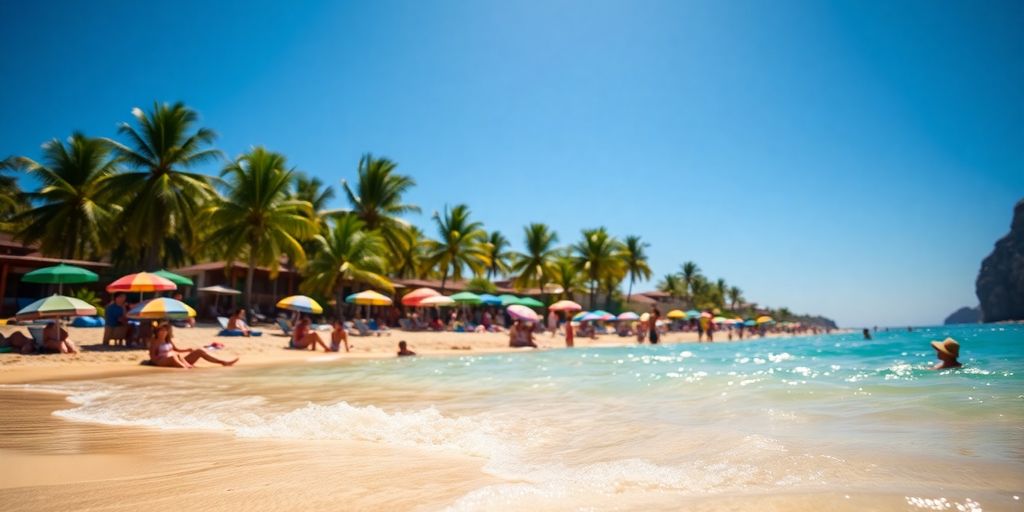
Cabo boasts some truly stunning beaches, each with its own unique vibe. You've got Medano Beach, which is party central, with tons of bars and restaurants right on the sand. Then there's Lover's Beach, tucked away near El Arco, perfect for a romantic getaway (just be aware of the currents on the Pacific side!). For something a bit more secluded, check out Chileno Beach, known for its great snorkeling. Picking the right beach really depends on what you're looking for.
- Medano Beach: Lively atmosphere, water sports, restaurants.
- Lover's Beach: Scenic, romantic, but be cautious of currents.
- Chileno Beach: Calm waters, great for snorkeling and families.
Don't be afraid to ask locals for their favorite hidden gems. They often know about smaller, less crowded beaches that offer a more authentic Cabo experience. Plus, they can give you the lowdown on the best times to visit to avoid the crowds.
Finding Reputable Tour Operators
When it comes to tours and activities, doing your homework is key. There are tons of tour operators in Cabo, but not all are created equal. Look for companies that are licensed and insured, and read reviews online before booking. A good tour operator can really elevate your trip, providing insider knowledge and ensuring your safety.
Here's a quick checklist:
- Check for proper licensing and insurance.
- Read online reviews on sites like TripAdvisor or Yelp.
- Ask for recommendations from your hotel or concierge.
- Confirm what's included in the tour price (transportation, meals, etc.).
Enjoying the Local Culture Safely
Cabo isn't just about beaches and bars; it has a rich culture to explore. Take some time to wander through the town of San Jose del Cabo, with its art galleries and charming plaza. Try some authentic Mexican food at a local restaurant – skip the tourist traps and ask for recommendations. Learning a few basic Spanish phrases can go a long way in showing respect and connecting with the locals. Just remember to be mindful of your surroundings and take the same precautions you would in any unfamiliar place. Be aware of your belongings, especially in crowded areas, and avoid walking alone at night in poorly lit streets. Using safe transportation options is key.
| Aspect | Tip |
|---|---|
| Food | Try local restaurants, ask for recommendations. |
| Language | Learn basic Spanish phrases. |
| Safety | Be aware of your surroundings, especially at night. |
| Cultural Sites | Visit San Jose del Cabo for art and a more authentic experience. |
Wrapping Things Up for Your Cabo Trip
So, there you have it. Cabo in 2025 can be a fantastic time, full of sun and good vibes. Just remember to be smart about things. A little common sense goes a long way, like knowing where you're going, being careful with what you eat and drink, and keeping an eye on your stuff. Think of it like planning any other trip – you do a bit of homework, pack what you need, and then just enjoy. Add some travel insurance to the mix, and you're pretty much set. The main thing is to relax and have fun. That's what Cabo is all about, after all.
Frequently Asked Questions
Is Cabo San Lucas safe for tourists in 2025?
Cabo San Lucas is generally a safe place for tourists, especially if you use common sense and follow smart travel tips. Like any popular travel spot, it's good to be aware of your surroundings and take steps to protect yourself and your belongings.
Can I drink the tap water in Cabo?
It's best to avoid drinking tap water in Cabo. Stick to bottled water or purified water (agua purificada) to stay healthy. Also, ask for drinks without ice, as it might be made from tap water.
What's the safest way to get around in Cabo?
For getting around, it's safest to use transportation arranged by your hotel or a ride-sharing app like Uber. If you use Uber, always check that the car and license plate match what's shown in the app. Avoid hailing taxis off the street; if you do use one, agree on the price before you start your ride.
Is it safe to swim in the ocean at Cabo beaches?
The ocean in Cabo can have strong currents and rip tides, and there aren't many lifeguards. Always pay attention to warning flags on the beach. It's often safer to swim in your hotel pool or at specific beaches known for calmer waters, usually on the east side of the Baja Peninsula.
When is hurricane season in Cabo, and should I avoid traveling then?
Hurricane season in Cabo runs from July through September. While the Baja California Sur area doesn't get hit often, it's wise to check the weather forecast if you plan to visit during these months. Even then, many people still travel safely during this time, and you might even find better deals.
Should I get travel insurance for my Cabo trip?
Travel insurance is a good idea for any trip, including Cabo. It can help if you have unexpected problems like medical emergencies, lost luggage, or trip cancellations. It gives you peace of mind so you can enjoy your vacation without worrying too much.
Plan Your Cabo Trip With Us
Let our local experts help you plan the perfect Cabo vacation with villas, yachts, adventures, and dining reservations.
Start PlanningStay in the Loop
Get the latest Cabo travel tips and exclusive deals delivered to your inbox.


