

Cabo Whale Watching Safety Tips and What to Know
Hola! There's truly nothing quite like witnessing the majestic whales of the Pacific Ocean and Sea of Cortez during their annual migration to Cabo. To ensure your experience is as magical as it is safe, our team has put together this essential guide.
Whale watching in Cabo San Lucas, particularly from December to April, is an incredible experience that prioritizes safety and responsible viewing. We recommend choosing certified operators, adhering to marine regulations for distance, and always following your crew's instructions for a memorable and secure encounter with these magnificent creatures.
<h2>Our Top Whale Watching Experiences</h2> <p>Cabo San Lucas is renowned as one of the best places in the world to witness the awe-inspiring migration of humpback, gray, and blue whales. From December to April, these gentle giants grace our waters, offering unforgettable spectacles. At cabo.la, we pride ourselves on connecting you with experiences that are not only luxurious and thrilling but also deeply committed to safety and responsible marine tourism. Our selection criteria focus on operator reputation, adherence to federal regulations, crew expertise, and the overall quality of the guest experience.</p>
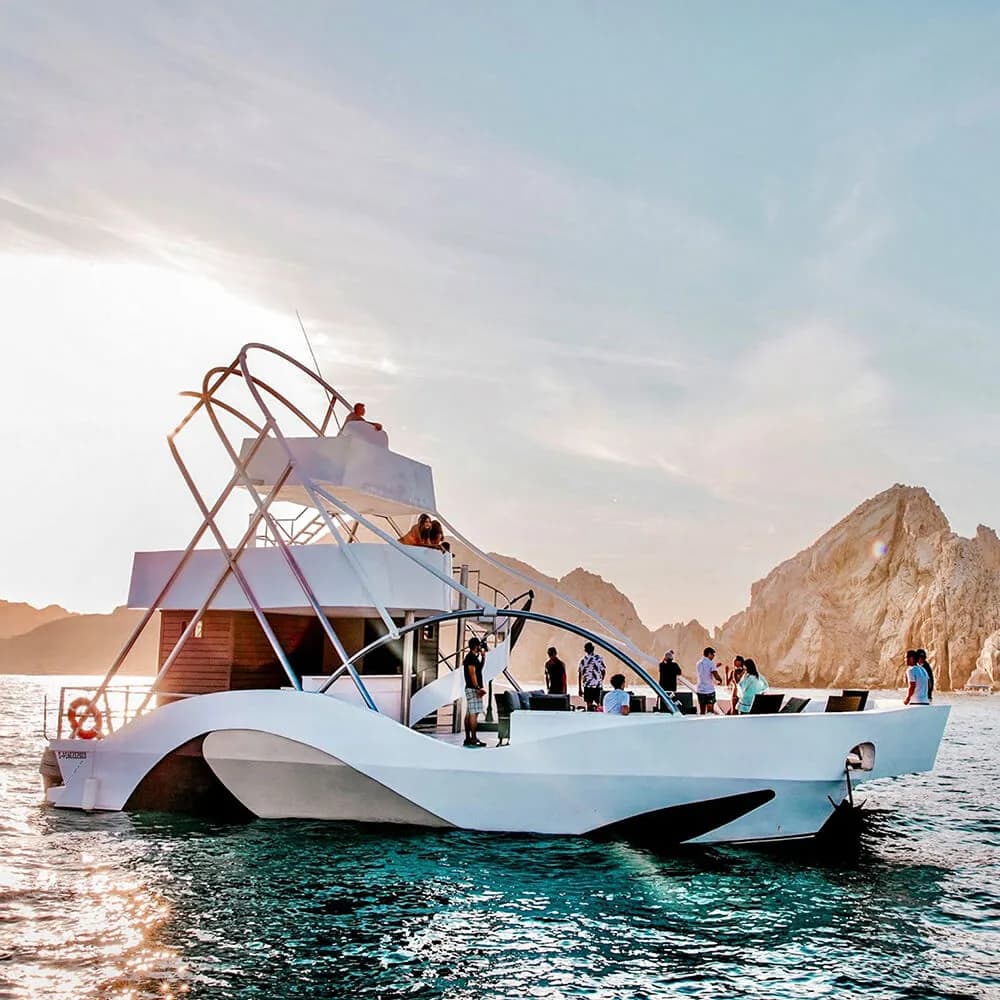
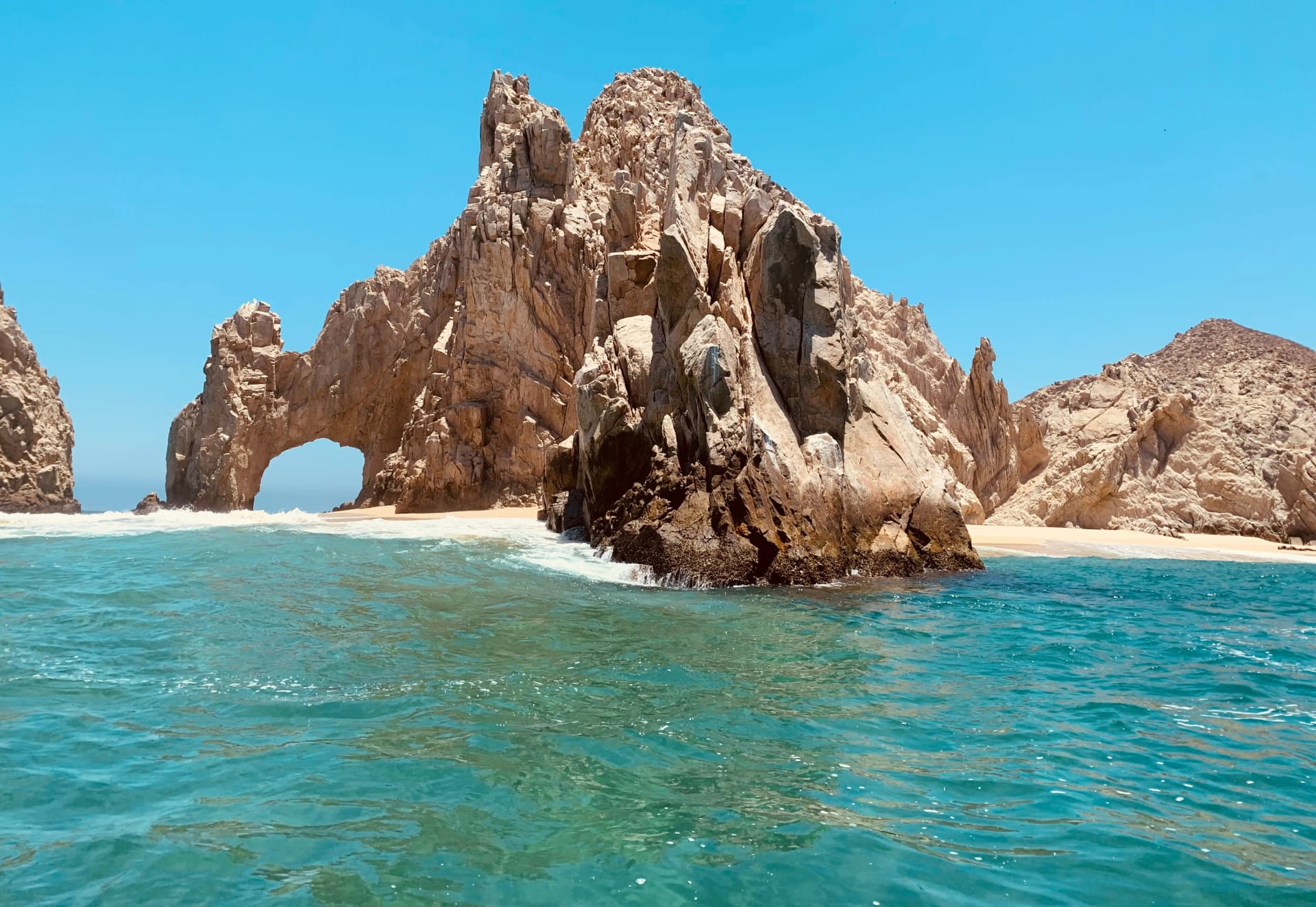
<h3>Private Luxury Yacht Charter: Unparalleled Comfort & Views</h3> <p>For those seeking the ultimate in exclusivity and personalized service, a private luxury yacht charter offers an unrivaled whale watching experience. Imagine gliding through the azure waters on your own schedule, with your chosen company, enjoying gourmet catering and premium beverages. This option provides ample space to move around, ensuring everyone gets a prime viewing spot without the crowds. Our experienced captains are intimately familiar with the whales' preferred habitats and strictly adhere to all safety and distance regulations, ensuring a respectful and thrilling encounter.</p> <p>A private charter allows for flexibility; you can combine your whale watching excursion with a visit to iconic landmarks like El Arco, snorkeling at Santa Maria Bay, or a sunset cruise. Vessels like our <a href="/yachts/azimut-95ft">Azimut 95ft</a> or the <a href="/yachts/lagoon-65-catamaran">Lagoon 65ft Catamaran</a> provide luxurious comfort, state-of-the-art navigation, and ample deck space, making them ideal for an intimate and safe whale watching adventure. Pricing for these exclusive experiences typically starts from $2,350 per day, varying by yacht size and amenities.</p>
<h3>Catamaran Eco-Tours: Group Fun with an Educational Twist</h3> <p>Catamaran eco-tours offer a fantastic balance of comfort, stability, and an educational component, making them excellent for families and larger groups. These tours often feature onboard naturalists or marine biologists who provide fascinating insights into whale behavior, migration patterns, and conservation efforts. The spacious decks of a catamaran allow for comfortable viewing, and their inherent stability makes for a smooth ride, even in choppier waters, which is a key safety advantage.</p> <p>Our partners operating these tours are carefully vetted for their commitment to responsible tourism and safety protocols. They employ experienced crews, provide life vests for all passengers, and ensure clear safety briefings before departure. While we don't list specific catamaran tours, you can explore our <a href="/yachts/luxury-catamaran-leopard">Luxury Catamaran Leopard 52ft</a> as an example of a vessel perfect for a group eco-adventure, potentially available for private charters that can be tailored for educational whale watching. Group tour prices typically range from $90-$150 per person.</p>
<h3>Smaller Vessels: Up-Close & Personal Encounters</h3> <p>For those who crave a more intimate and nimble experience, smaller boats like pangas or specialized zodiacs can offer incredibly close (yet always respectful and regulated) encounters with the whales. These vessels can often maneuver more quickly, allowing them to reach whale sightings efficiently. However, with this proximity comes an increased emphasis on safety. Reputable operators prioritize small group sizes, provide high-quality life vests, and ensure their captains are experts in navigating around marine wildlife.</p> <p>When choosing a smaller vessel, it's crucial to verify the operator's credentials and safety record. While we don't have specific panga tours listed, a smaller motor yacht like the <a href="/yachts/searay-45">SeaRay Sundancer 45ft</a>, if privately chartered, could offer a more agile experience for a smaller group. Always ensure the crew is professional and follows strict marine wildlife viewing guidelines. Prices for such intimate private charters start from approximately $1,250 per day.</p>
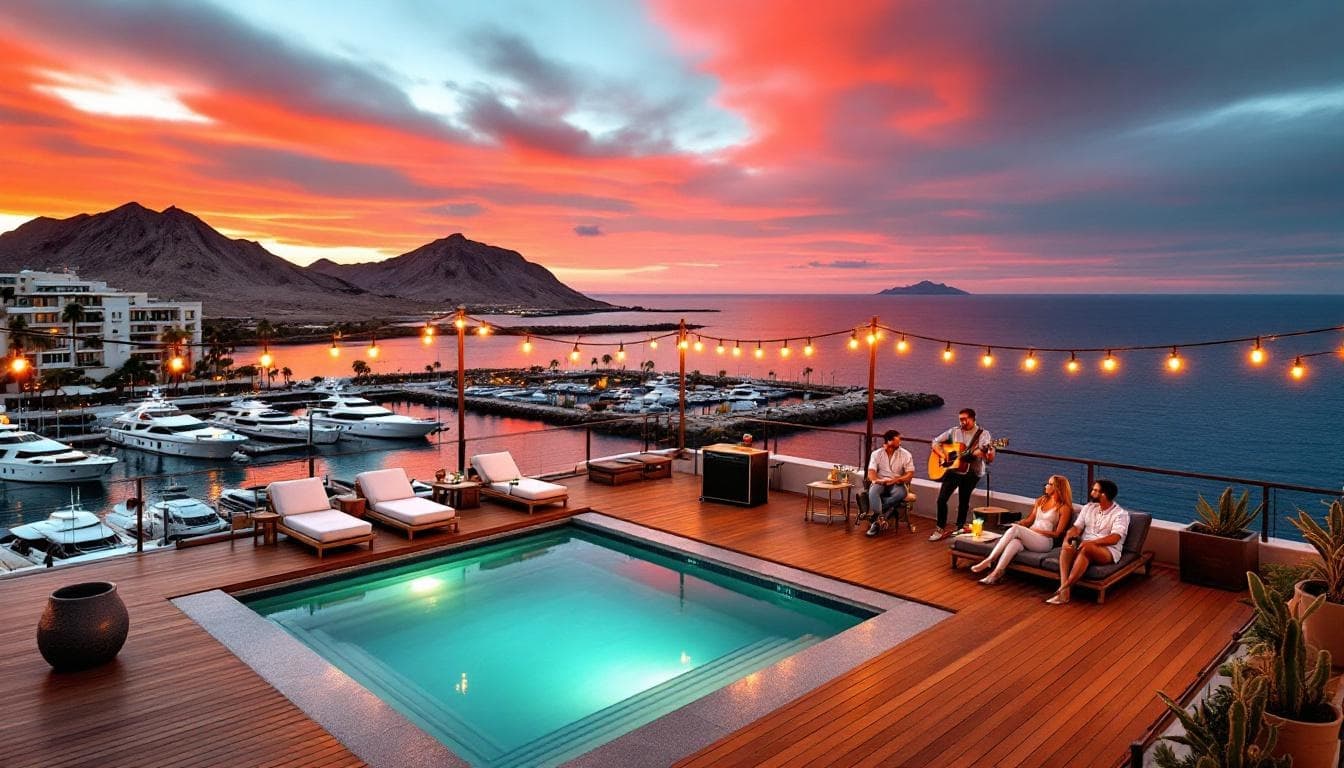
<h3>Sunset Whale Watching Cruises: Romance Meets Wildlife</h3> <p>Combine the magic of whale watching with the breathtaking beauty of a Cabo sunset on a dedicated sunset cruise. As the sun dips below the horizon, painting the sky in vibrant hues, you might witness a whale breach against the stunning backdrop. This option is perfect for couples, honeymooners, or anyone looking for a romantic and scenic experience. Many of these cruises offer open bars, light appetizers, and music, creating a festive atmosphere.</p> <p>Safety on sunset cruises is paramount, especially with reduced visibility. Our recommended partners ensure all vessels are properly lit, equipped with radar, and operated by captains trained in night navigation. We recommend exploring our general <a href="/cabo/cabo-sunset-cruise">Cabo sunset cruise guide</a> for options, and yachts like the <a href="/yachts/guajalota-60ft">Guajalota 60ft</a> can be privately chartered to combine whale watching with an unforgettable sunset experience. Expect group sunset cruises with whale watching potential to cost around $100-$180 per person.</p>
<h3>Paddleboard & Kayak Adventures: For the Truly Adventurous</h3> <p>For the most adventurous souls, observing whales from a paddleboard or kayak offers an incredibly serene and personal connection to the ocean. While this offers a unique perspective, it also demands the highest level of caution and adherence to safety guidelines. It is absolutely essential to only undertake such an adventure with an experienced, certified guide and as part of a structured tour that maintains safe and legal distances from the whales.</p> <p>Never attempt to approach whales independently on a paddleboard or kayak. Always choose an operator who emphasizes safety, provides proper equipment, and ensures guides are trained in marine wildlife interaction and emergency protocols. This experience is best suited for strong swimmers comfortable in open water and those who prioritize a quiet, eco-friendly encounter, always respecting the whales' space. Given the inherent risks, we highly recommend consulting with our <a href="/luxury-concierge">luxury concierge team</a> to arrange this specific type of adventure with a trusted and certified provider.</p>
<h2>Cabo Whale Watching Safety Tips: What You Need to Know Before You Go</h2> <p>Your safety and the well-being of the magnificent whales are our top priorities. Here are essential safety tips and regulations to keep in mind for your 2026 whale watching adventure in Cabo:</p>
<h3>Respecting Marine Life: Guidelines for Responsible Viewing</h3> <ul> <li><strong>Maintain Distance:</strong> Mexican federal regulations mandate a minimum distance of 100 meters (approximately 330 feet) from whales for larger vessels and 60 meters (approximately 200 feet) for smaller boats. Never allow any operator to approach closer than these limits.</li> <li><strong>No Harassment:</strong> Boats should never pursue, chase, or cut off the whales' path. Interaction should always be initiated by the whale, not the vessel.</li> <li><strong>Quiet Approach:</strong> Vessels should approach whales slowly and quietly, minimizing noise and engine disruptions.</li> <li><strong>No Feeding or Touching:</strong> It is illegal and harmful to feed, touch, or attempt to swim with whales.</li> </ul>
<h3>Choosing a Reputable Operator: Your Safety Starts Here</h3> <p>The foundation of a safe whale watching trip begins with selecting the right operator. We meticulously vet our partners to ensure they meet the highest standards:</p> <ul> <li><strong>Official Permits & Licenses:</strong> Ensure your tour operator holds all necessary federal permits from SEMARNAT (Mexico's Secretariat of Environment and Natural Resources) for whale watching. Reputable companies will proudly display these.</li> <li><strong>Experienced & Certified Crew:</strong> Captains should be highly experienced in navigating these waters and trained in responsible whale watching practices. Guides should be knowledgeable about marine biology and safety protocols.</li> <li><strong>Proper Safety Equipment:</strong> All vessels must be equipped with sufficient life vests for every passenger, first-aid kits, communication devices, and emergency flares.</li> <li><strong>Vessel Maintenance:</strong> Boats should be well-maintained and regularly inspected to ensure seaworthiness.</li> <li><strong>Small Group Sizes:</strong> While not always possible, smaller groups often allow for a more controlled and safer experience, with better access to guides and crew.</li> </ul>
<h3>Onboard Safety Protocols: What to Expect While At Sea</h3> <p>Once you're on board, your crew will provide a safety briefing. It's crucial to pay close attention to these instructions:</p> <ul> <li><strong>Wear Your Life Vest:</strong> Always wear a life vest if instructed, especially on smaller vessels or if you're not a strong swimmer.</li> <li><strong>Listen to Your Crew:</strong> The captain and crew are in charge of your safety. Follow their directions promptly, particularly when moving around the boat or if a whale is spotted nearby.</li> <li><strong>Stay Seated:</strong> Remain seated while the boat is in motion, especially when approaching a whale. Avoid sudden movements that could unbalance the vessel.</li> <li><strong>Keep Hands & Feet Inside:</strong> Never extend limbs outside the boat.</li> <li><strong>Secure Personal Items:</strong> Ensure hats, sunglasses, and cameras are secured to prevent them from blowing away or falling overboard.</li> </ul>
<h3>Personal Preparedness: Ensuring Your Comfort & Well-being</h3> <p>Beyond the vessel's safety, your personal preparation contributes significantly to a pleasant and secure experience:</p> <ul> <li><strong>Sun Protection:</strong> The Cabo sun is intense, even in winter. Bring high-SPF sunscreen, a wide-brimmed hat, and sunglasses.</li> <li><strong>Hydration:</strong> Drink plenty of water to avoid dehydration. Many tours provide bottled water, but it's wise to bring extra.</li> <li><strong>Motion Sickness:</strong> If you're prone to seasickness, consider taking preventative medication at least an hour before departure. Choose a stable vessel like a catamaran if possible.</li> <li><strong>Appropriate Clothing:</strong> Dress in layers. Even on a sunny day, it can be breezy and cool on the water. A light jacket or windbreaker is often a good idea.</li> <li><strong>Camera & Binoculars:</strong> Bring your camera for photos and binoculars for closer views, but always prioritize your safety and stability over getting the perfect shot.</li> </ul>
<h2>How to Choose Your Perfect Whale Watching Adventure</h2> <p>With so many incredible options, deciding on the right whale watching experience can be exciting! Consider these factors to tailor your adventure:</p> <ul> <li><strong>Group Size & Intimacy:</strong> Are you looking for a private, exclusive experience for just your family or a small group, or do you prefer a lively group tour with other enthusiasts? For ultimate privacy, consider one of our <a href="/yachts">luxury yacht charters</a>.</li> <li><strong>Budget:</strong> Whale watching tours range from economical group excursions to opulent private charters. Determine your budget to narrow down the choices.</li> <li><strong>Desired Level of Activity:</strong> Do you want to relax on a spacious deck, or are you hoping for a more adventurous, up-close encounter? Our <a href="/adventures">adventures page</a> offers more inspiration for active pursuits.</li> <li><strong>Educational Aspect:</strong> If learning about marine life is important, seek out tours that feature onboard naturalists or educational presentations.</li> <li><strong>Time of Day:</strong> Early morning tours often offer calmer waters and fewer boats, while sunset cruises provide a romantic backdrop.</li> </ul> <p>No matter which option you choose, our team at cabo.la is here to ensure your Cabo whale watching experience is safe, responsible, and utterly unforgettable. We work with the best local partners to provide you with unparalleled service and access to the wonders of the Sea of Cortez and the Pacific Ocean.</p>
Planning a trip to Cabo?
For the best chance of spotting whales and enjoying calmer waters, we often recommend booking an early morning tour. The ocean tends to be smoother, and there are typically fewer boats out, offering a more serene viewing experience. Don't forget your camera, but always enjoy the moment first!
The prime whale watching season in Cabo runs from December through April. While sightings are possible outside these months, December to April offers the highest probability and most active displays, making it the ideal time for your visit.
Frequently Asked Questions
What is the best time of year for whale watching in Cabo?
Are whale watching tours in Cabo safe?
What kind of whales can I see in Cabo?
What should I bring on a whale watching tour?
Can I swim with whales in Cabo?

Explore More Cabo Guides
Our team lives in Cabo San Lucas and updates these guides regularly based on firsthand experience. Prices, hours, and availability are verified with local operators. Last updated May 2026.
Ready to Experience Cabo?
Our local Cabo team can help plan the perfect trip.