

Cabo Snorkeling Safety Tips and What to Know
Hola, fellow adventurers! Cabo San Lucas, where the Sea of Cortez meets the Pacific Ocean, is a snorkeler's paradise, boasting vibrant marine life and crystal-clear waters. To ensure your underwater exploration is as safe as it is spectacular, our team at cabo.la has compiled the ultimate guide to snorkeling safety.
Snorkeling in Cabo San Lucas is generally safe when you adhere to key guidelines: always choose designated swimmable beaches like Medano, Santa Maria, or Chileno Bay, understand local ocean conditions, snorkel with a buddy or reputable tour operator, and use proper, well-maintained equipment. Prioritizing these steps will ensure a safe and memorable experience in our beautiful waters.
Hola, fellow adventurers! Cabo San Lucas, where the Sea of Cortez meets the Pacific Ocean, is a snorkeler's paradise, boasting vibrant marine life and crystal-clear waters. From colorful reef fish to majestic sea turtles, the underwater world here is truly captivating. To ensure your underwater exploration is as safe as it is spectacular, our team at cabo.la has compiled the ultimate guide to snorkeling safety, drawing on our deep local knowledge and commitment to unforgettable experiences.
We believe that a truly luxurious vacation is one where every detail is handled, especially your safety. Our curated tips are based on years of local experience, understanding the unique marine environment of Los Cabos, and partnering with the most reputable adventure operators in the region. We're not just about finding you the perfect luxury villa; we're about ensuring every moment of your trip, including your snorkeling adventures, is seamless, joyful, and, most importantly, safe.
Essential Snorkeling Safety Tips for Cabo San Lucas
While Cabo offers some of the most stunning snorkeling opportunities, the ocean environment demands respect and awareness. Here are our top safety tips to help you navigate the waters confidently:
1. Choose Designated Swimmable Beaches and Protected Areas
This is arguably the most crucial tip for safe snorkeling in Cabo. Not all beaches in Los Cabos are safe for swimming or snorkeling due to strong currents and powerful waves, especially on the Pacific side. We always recommend sticking to designated swimmable beaches that are protected from the open ocean. Our top recommendations include:
- Medano Beach: The only fully swimmable beach in Cabo San Lucas, protected by the natural breakwater of Land's End. While not the most vibrant for snorkeling due to boat traffic, it's excellent for beginners and offers easy access to the water. You can often see small fish near the rocks.
- Santa Maria Bay: A pristine crescent-shaped bay, perfect for snorkeling with calm, clear waters and abundant marine life. It's a protected marine sanctuary, making it a fantastic spot for all skill levels.
- Chileno Bay: Another beautiful, calm bay renowned for its excellent snorkeling conditions. The waters are typically tranquil, and the reef is home to a diverse array of fish. Chileno Bay Resort is a testament to the beauty and tranquility of this area.
2. Understand Ocean Conditions and Currents
The Sea of Cortez and the Pacific Ocean can have vastly different conditions. Always be aware of the daily conditions. Look for flags indicating water safety (green for calm, yellow for caution, red for danger). Pay attention to tides and currents; even in calm bays, currents can be present. If you're unsure, ask a local or your tour guide. Our team always monitors conditions to ensure our guests have the safest experience possible.
3. Go with Reputable Tour Operators
For the ultimate safe and enriching snorkeling experience, we highly recommend booking an excursion with one of our trusted Cabo adventure partners. A professional tour operator will provide:
- Experienced guides who know the local waters and marine life intimately.
- Proper safety briefings and supervision.
- High-quality, well-maintained equipment.
- First-aid certified staff and emergency protocols.
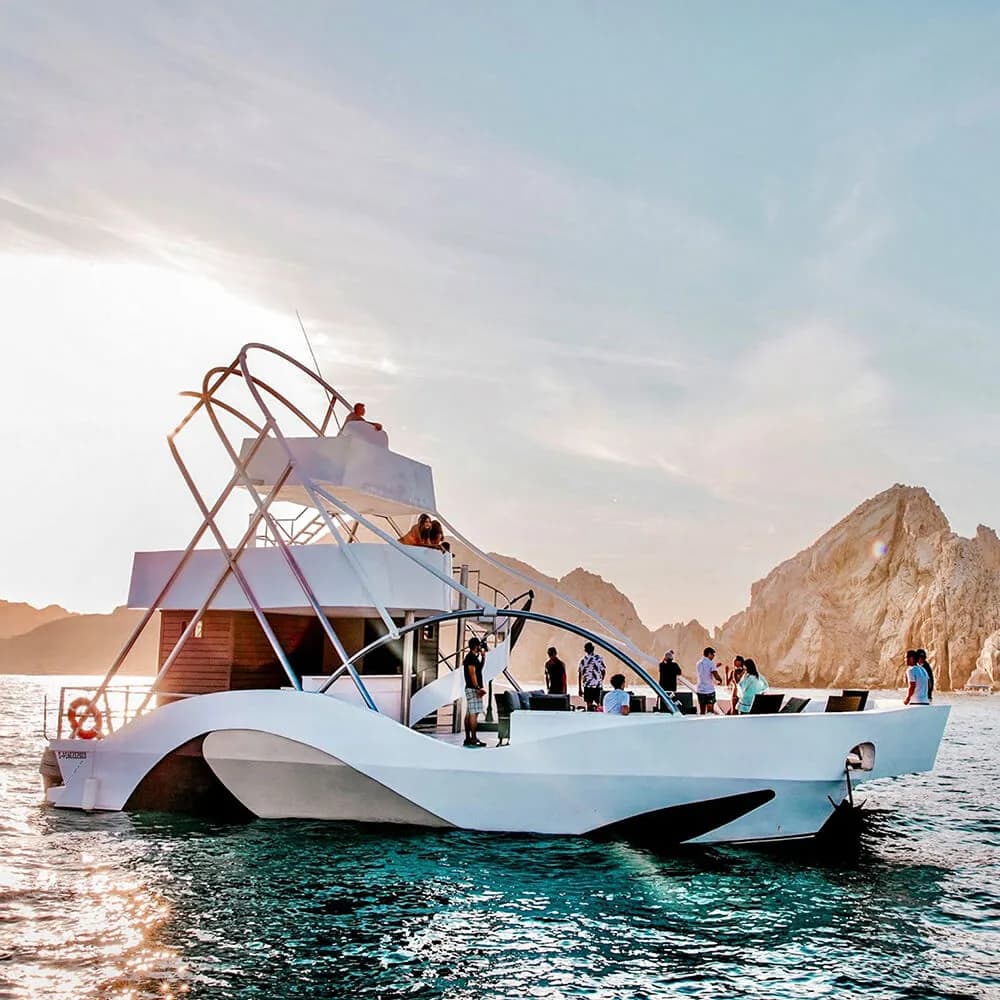
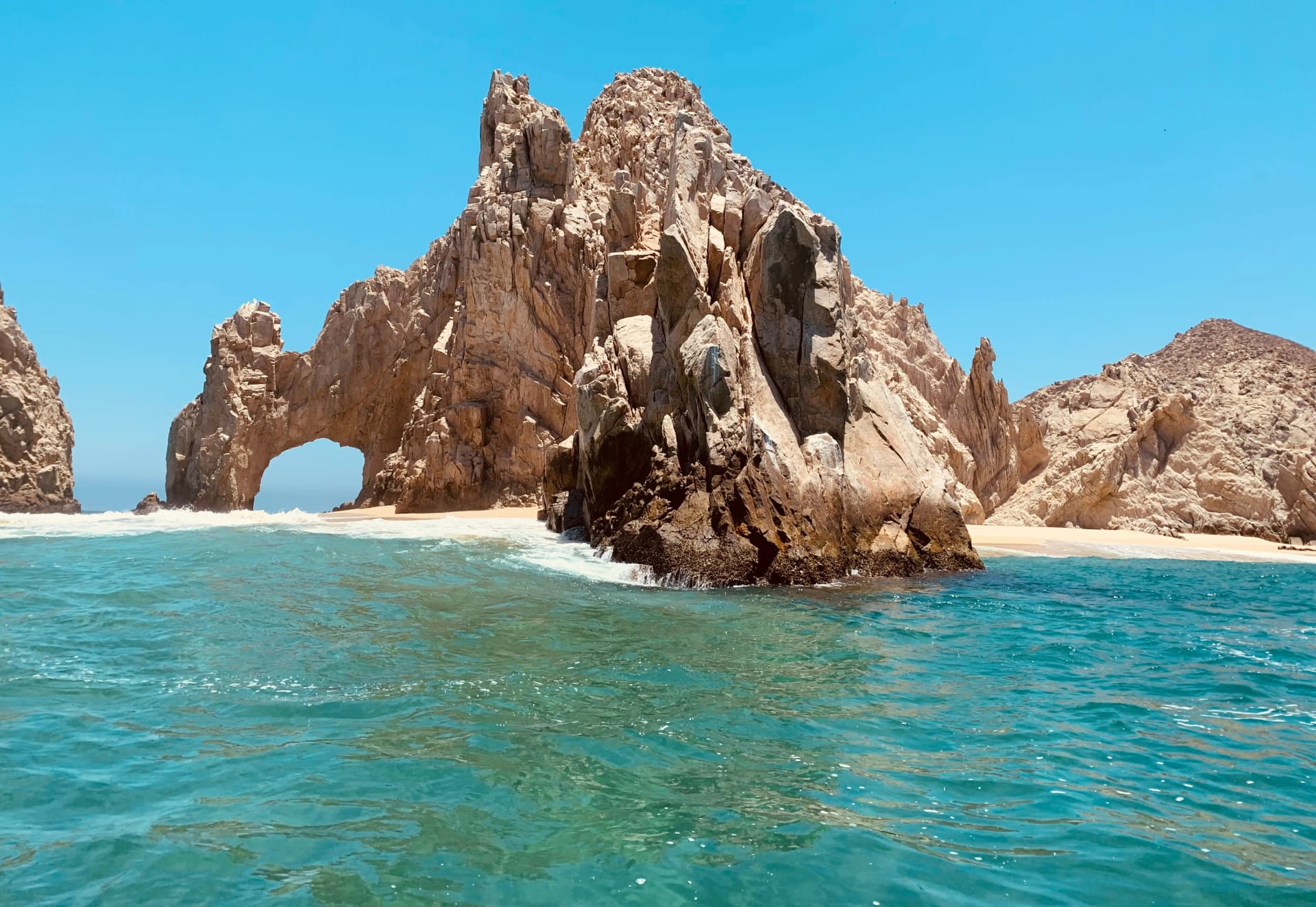
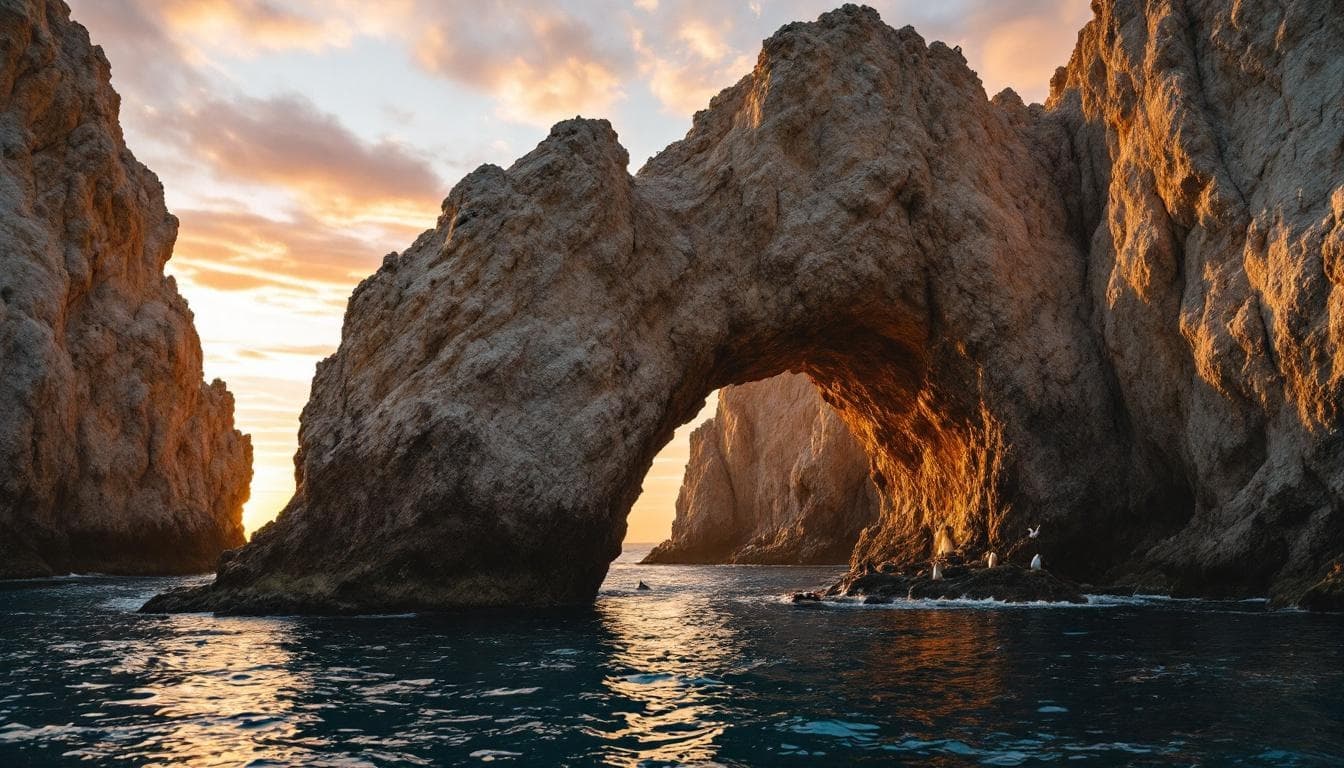
- Access to the best and safest snorkeling spots, often reached by boat, like the iconic El Arco for a glimpse of vibrant fish.
Many tours also include transportation, refreshments, and sometimes even lunch, making for a hassle-free day. We partner with only the best, ensuring your safety and enjoyment are paramount.
4. Use Proper Equipment and Check Gear
Having well-fitting and functional gear is essential. Ensure your mask fits snugly without leaking, your snorkel is clear and easy to breathe through, and your fins are comfortable and provide good propulsion. If you're renting, always check for cracks, tears, or damage. If you're taking a tour, your operator will provide excellent gear, but it's still wise to double-check its condition before entering the water. For those staying in an oceanfront villa, having your own well-maintained gear can enhance spontaneous snorkeling opportunities.
5. Protect Marine Life and the Environment
Cabo's marine ecosystem is precious. We encourage all snorkelers to observe marine life from a respectful distance without touching, feeding, or disturbing any creatures. Avoid standing on coral reefs, as they are fragile and easily damaged. Use reef-safe sunscreen to protect both your skin and the delicate coral. By following these guidelines, we help preserve the beauty of our oceans for future generations.
6. Stay Hydrated and Sun Protected
The Cabo sunshine is glorious, with over 350 days of sun a year, but it's also incredibly strong. Dehydration and sunburn are real risks. Drink plenty of water before, during, and after your snorkeling session. Wear a rash guard, a wide-brimmed hat, and apply high-SPF, reef-safe sunscreen generously and frequently. Even on cloudy days, UV rays can be intense.
7. Snorkel with a Buddy
Never snorkel alone, especially in unfamiliar waters. Having a buddy ensures that someone is always aware of your presence and can assist if you encounter any difficulties. If you're on a guided tour, your group and guide serve as your buddies, providing an extra layer of safety.
8. Know Your Limits and Be Honest About Your Swimming Ability
Be realistic about your swimming skills and physical fitness. If you're not a strong swimmer, stick to very calm, shallow waters or opt for a guided tour that offers flotation devices. Don't venture too far from shore or your boat if you're not confident. Fatigue can set in quickly, especially in currents, so listen to your body and take breaks when needed.
9. Emergency Preparedness
While we hope you never need it, knowing basic emergency procedures is important. Familiarize yourself with how to signal for help. If you're on a tour, your guide will cover emergency protocols. For independent snorkelers, consider carrying a small waterproof whistle. Always let someone on shore know where you're going and when you expect to return.
10. Respect Local Regulations and Signage
Cabo's beaches and marine protected areas often have specific rules and regulations designed for your safety and the preservation of the environment. Look for signage at beach entrances and always heed the advice of lifeguards or local authorities. These guidelines are in place to ensure everyone can enjoy our beautiful waters responsibly.
How to Ensure a Safe Snorkeling Experience in Cabo
Choosing the right snorkeling adventure involves more than just picking a pretty spot. It's about making informed decisions that prioritize your safety and enjoyment. Here's a framework we use at cabo.la to guide our guests:
Assessing Conditions and Location
Before you even think about putting on your mask, take a moment to assess the environment. Is the water calm or choppy? Are there strong waves breaking on the shore? Are there any warning flags? For example, the Pacific side beaches, while stunning, are generally not safe for swimming or snorkeling due to powerful undertows. Always opt for the protected bays on the Sea of Cortez side, like Santa Maria or Chileno Bay. If you're unsure, observe other swimmers or ask locals for advice. Our Cabo local tips often emphasize checking conditions.
Choosing Your Operator Wisely
If you're opting for a tour, the operator you choose makes all the difference. We vet our partners rigorously, ensuring they meet the highest standards for safety, equipment maintenance, and guide expertise. Look for companies with:
- Certified guides who are knowledgeable about marine life and first aid.
- Positive reviews focusing on safety and professionalism.
- Well-maintained boats and snorkeling gear.
- Clear safety briefings and emergency procedures.
A reputable operator will never rush you and will always prioritize your comfort and safety over speed or strict itineraries. This is particularly important for luxury travelers who expect impeccable service and peace of mind.
Personal Preparation and Awareness
Your personal preparation is key. Ensure you're well-rested, hydrated, and have applied adequate sun protection. If you have any medical conditions, consult your doctor before snorkeling and inform your tour guide. Pay close attention during safety briefings, even if you're an experienced snorkeler. Being aware of your surroundings - boat traffic, other snorkelers, and potential hazards - will greatly enhance your safety.
Enjoying Your Experience Responsibly
Once you're in the water, take your time, breathe deeply, and soak in the incredible beauty of Cabo's underwater world. Remember to respect the marine environment by not touching coral or wildlife. By following these guidelines, you're not just ensuring your own safety, but also contributing to the preservation of our cherished natural treasures.
Our goal at cabo.la is to provide you with an unparalleled luxury experience, and that includes ensuring every activity you undertake is safe and enjoyable. Whether you're staying in Villa Fiesta in Pedregal or exploring the East Cape from Villa Bahia De Los Frailes, we want your snorkeling adventure to be a highlight of your trip to Los Cabos.
Planning a trip to Cabo?
Always chat with a local or your concierge about the day's ocean conditions before heading out to snorkel. Conditions can change, and a quick check can make all the difference for a safe and enjoyable experience. And remember, the early bird often gets the calmest waters!
The best time for snorkeling in Cabo is typically during the peak season from November to April, when the weather is cooler and drier (75-85°F) and the water visibility is at its clearest. The summer months (June-September) offer warmer water but can have less predictable weather and higher humidity, though snorkeling is still very popular.
Frequently Asked Questions
Are all beaches in Cabo San Lucas safe for snorkeling?
What are the best snorkeling spots in Cabo for beginners?
Do I need to bring my own snorkeling gear to Cabo?
Is it safe to snorkel near El Arco?
What should I do if I encounter marine life while snorkeling?


Explore More Cabo Guides
Our team lives in Cabo San Lucas and updates these guides regularly based on firsthand experience. Prices, hours, and availability are verified with local operators. Last updated May 2026.
Ready to Experience Cabo?
Our local Cabo team can help plan the perfect trip.