
Marlin Fishing in Cabo Photographers Guide and Best Spots
Hola, fellow visual storytellers! Are you ready to capture the adrenaline-pumping action and breathtaking beauty of marlin fishing in the world-renowned waters of Cabo San Lucas?
Cabo San Lucas is an unparalleled destination for marlin fishing photographers, offering consistent action, iconic backdrops like El Arco, and a vibrant marine ecosystem. The peak marlin season from June to November provides the best opportunities for capturing these magnificent fish, complemented by excellent charter options and diverse photographic subjects.
Why Cabo for Fishing Photographers
As the undisputed "Marlin Capital of the World," Cabo San Lucas presents a dream canvas for photographers eager to document the thrill of big-game fishing. Here, at the southern tip of the Baja California Sur peninsula, the rich waters where the Sea of Cortez meets the Pacific Ocean create an incredibly diverse ecosystem, teeming with life. For photographers, this means not just the chance to capture the majestic striped, blue, and black marlin, but also the dynamic interplay between angler, crew, and nature.
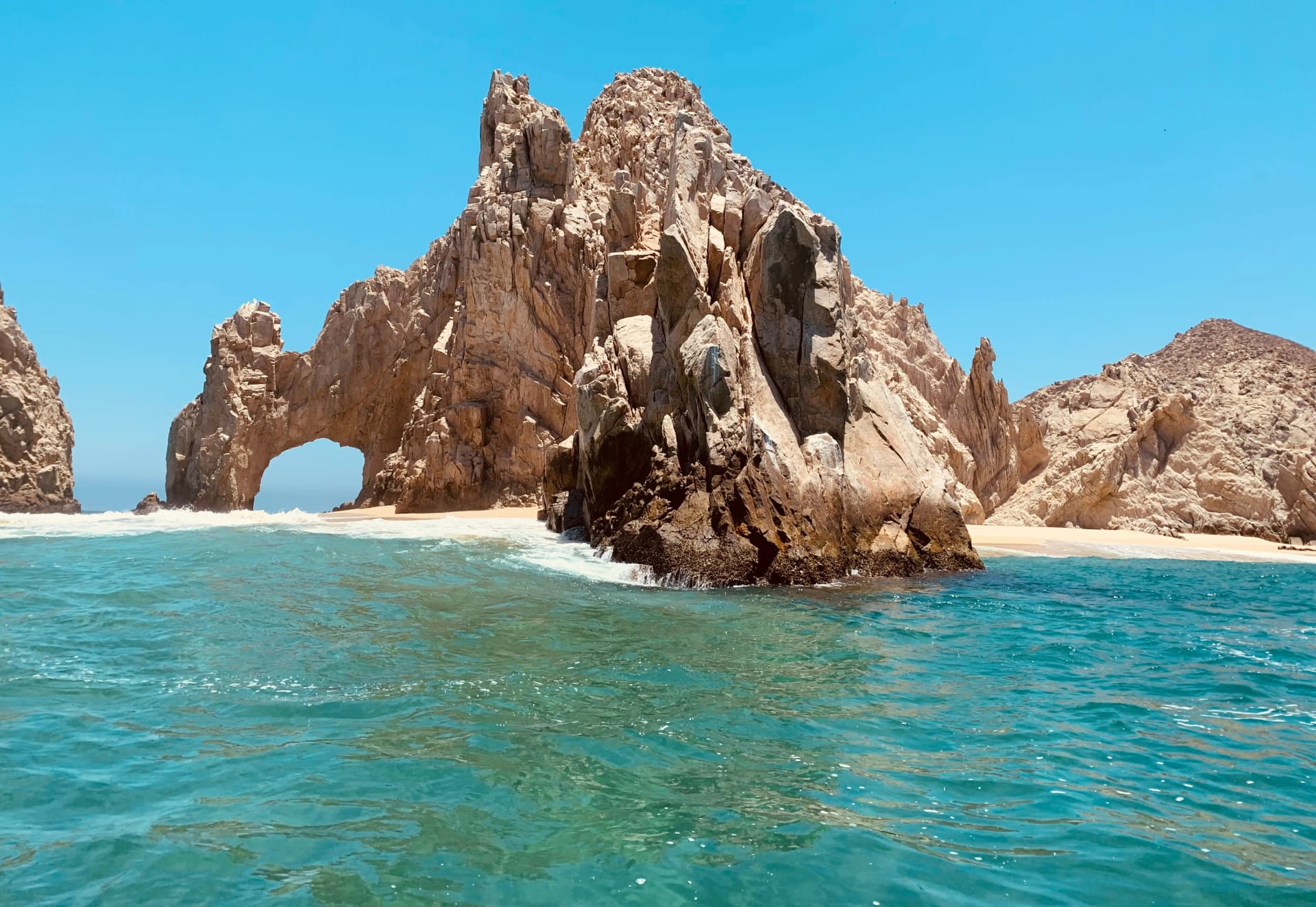
The consistent presence of marlin, especially during peak season, ensures ample opportunities for that perfect shot of a jumping fish, the intense battle on the line, or the triumphant moment of a catch-and-release. Beyond the fish themselves, the scenery is simply spectacular. Imagine framing your shots with the iconic rock formations of Land's End, including El Arco, or the dramatic desert landscape meeting the azure sea. Our team understands that for you, it's not just about fishing; it's about telling a visual story, and Cabo offers an incredible narrative.
While the best sport fishing for marlin runs from June through November, with a particular peak in the fall, Cabo offers photographic opportunities year-round. If you visit between December and April, you might even capture incredible shots of migrating whales, adding another layer to your marine photography portfolio.
Choosing Your Vessel: Yachts for the Perfect Shot
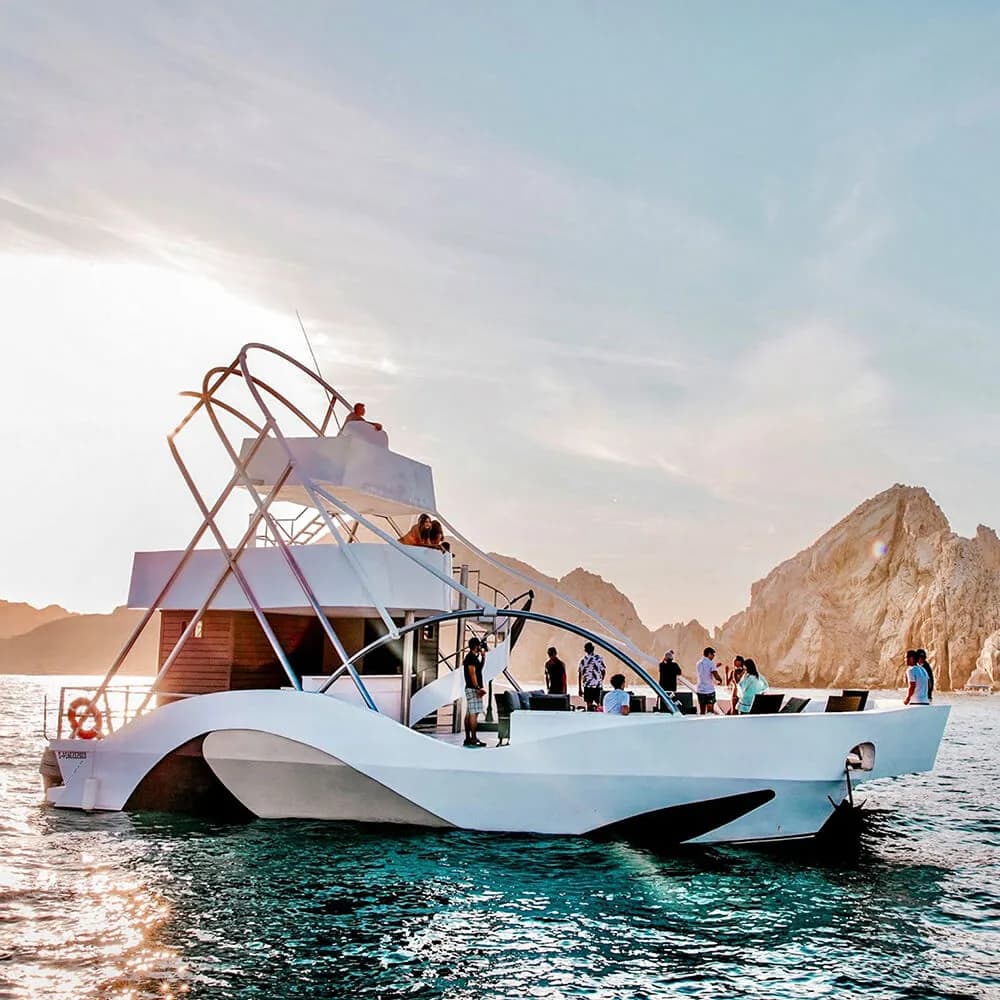
Selecting the right yacht for your marlin fishing photography expedition is crucial. It’s not just about getting to the fishing grounds; it’s about having the space, stability, and vantage points necessary to capture high-quality images. We recommend opting for a private charter, as it allows you to communicate your specific photographic needs to the captain and crew, ensuring they can position the boat for optimal lighting and angles.
When considering a yacht, look for ample deck space that allows for movement with your gear, a stable platform for long lens work, and shaded areas for equipment protection and comfort. Our fleet includes a variety of vessels perfect for photographers:
- For exceptional stability and spacious decks, a catamaran like our Luxury Catamaran Leopard 52ft or the grand Lagoon 65ft Catamaran offers broad platforms that minimize motion, ideal for steady shots.
- If you prefer the speed and luxury of a motor yacht, options such as the Azimut 68ft or the expansive Azimut 95ft provide excellent comfort, multiple levels for diverse perspectives, and powerful engines to quickly reach prime fishing spots.
Discuss your photography goals with us, and we'll help you select the ideal yacht from our fleet of 14 options to ensure you have the perfect mobile studio on the water. For more details on charter costs, visit our guide on How Much Does a Yacht Charter Cost in Cabo?
Best Spots for Marlin Photography
Cabo San Lucas is blessed with several world-class fishing grounds, each offering unique photographic opportunities:
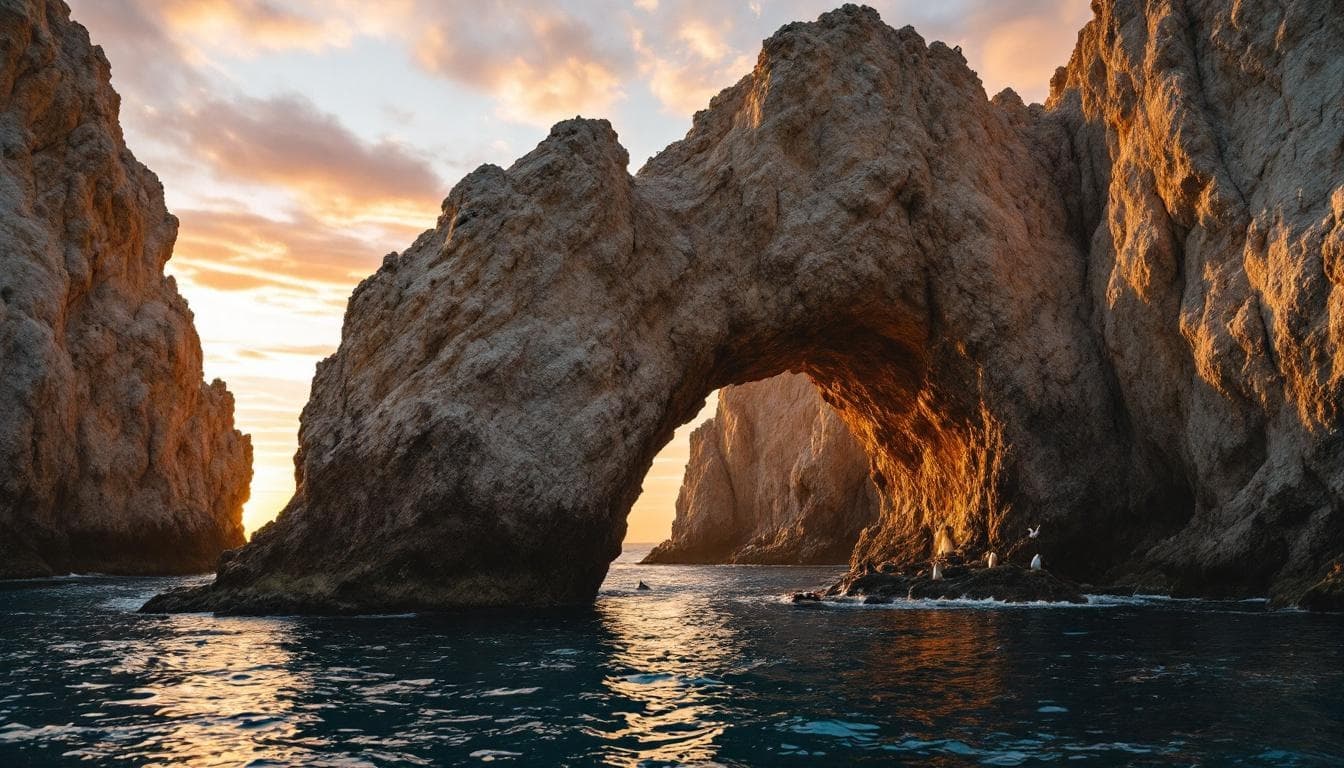
- Land's End: The iconic rock formations, including El Arco, serve as a dramatic and instantly recognizable backdrop for your fishing shots. While the fishing can be productive right off the coast, the true value here for photographers is the unparalleled scenery.
- San Lucas Canyon: Just a short run from the marina, this deep-water canyon is a primary hunting ground for marlin. The dramatic drop-offs create nutrient-rich upwellings that attract baitfish, and consequently, the predators you're after. This area often provides consistent action.
- The Finger Bank: Located further north along the Pacific side, the Finger Bank is legendary for its schools of large striped marlin, especially during the peak season. It requires a longer run, but the potential for multiple hook-ups and incredible photographic sequences is very high. This is where you might capture those epic 'billfish feeding frenzy' shots.
- The Corridor: Stretching between Cabo San Lucas and San Jose del Cabo, the Corridor offers diverse fishing grounds, from inshore reefs to deeper waters. It's a great area for variety, and the coastline itself provides beautiful scenic elements for your wider shots.
Essential Photography Gear & Tips
To maximize your success in capturing stunning marlin fishing photos, consider the following gear and techniques:
Recommended Gear:
- Lenses: A versatile telephoto zoom (e.g., 70-200mm or 100-400mm) is essential for capturing distant action. A wide-angle lens (e.g., 16-35mm) is great for establishing shots of the boat, crew, and surrounding landscape.
- Weather Protection: Saltwater spray is inevitable. Invest in a good waterproof camera bag, rain sleeves for your camera and lenses, and a microfiber cloth for quick wipes.
- Filters: A circular polarizing filter can help reduce glare off the water, allowing you to see and photograph fish beneath the surface more clearly.
- Batteries & Memory Cards: Bring more than you think you'll need. The action can be fast and furious, and you don't want to miss a shot due to a dead battery or full card.
- Stabilization: While a tripod is impractical, a monopod can offer some stability for long lenses, especially on a larger, more stable yacht.
Photography Tips:
- Fast Shutter Speed: Marlin are incredibly fast. Aim for a shutter speed of 1/1000s or faster to freeze the action.
- Continuous Autofocus & Burst Mode: Use your camera's continuous autofocus (AI Servo/AF-C) to track moving subjects and shoot in burst mode to capture a sequence of jumps and fights.
- Anticipation: Work closely with your captain and crew. They can often predict when a fish is about to jump or when the action is about to intensify, giving you a crucial head start.
- Composition: Don't just focus on the fish. Capture the human element – the angler's concentration, the crew's expertise, the excitement on board. Use the horizon line, fishing rods, and boat lines to create dynamic compositions.
- Safety First: Always be aware of your surroundings. Fishing lines, hooks, and moving equipment can be dangerous. Keep your gear secure and stay out of the crew's way during intense moments.
- Respect the Fish: Cabo's fishing community strongly supports catch-and-release practices for marlin. Focus on capturing the beauty and power of these creatures in their natural habitat before they are safely released.
Beyond the Catch: Other Photo Opportunities
While marlin fishing is your primary focus, Cabo San Lucas offers a wealth of additional photographic subjects that will enrich your portfolio:
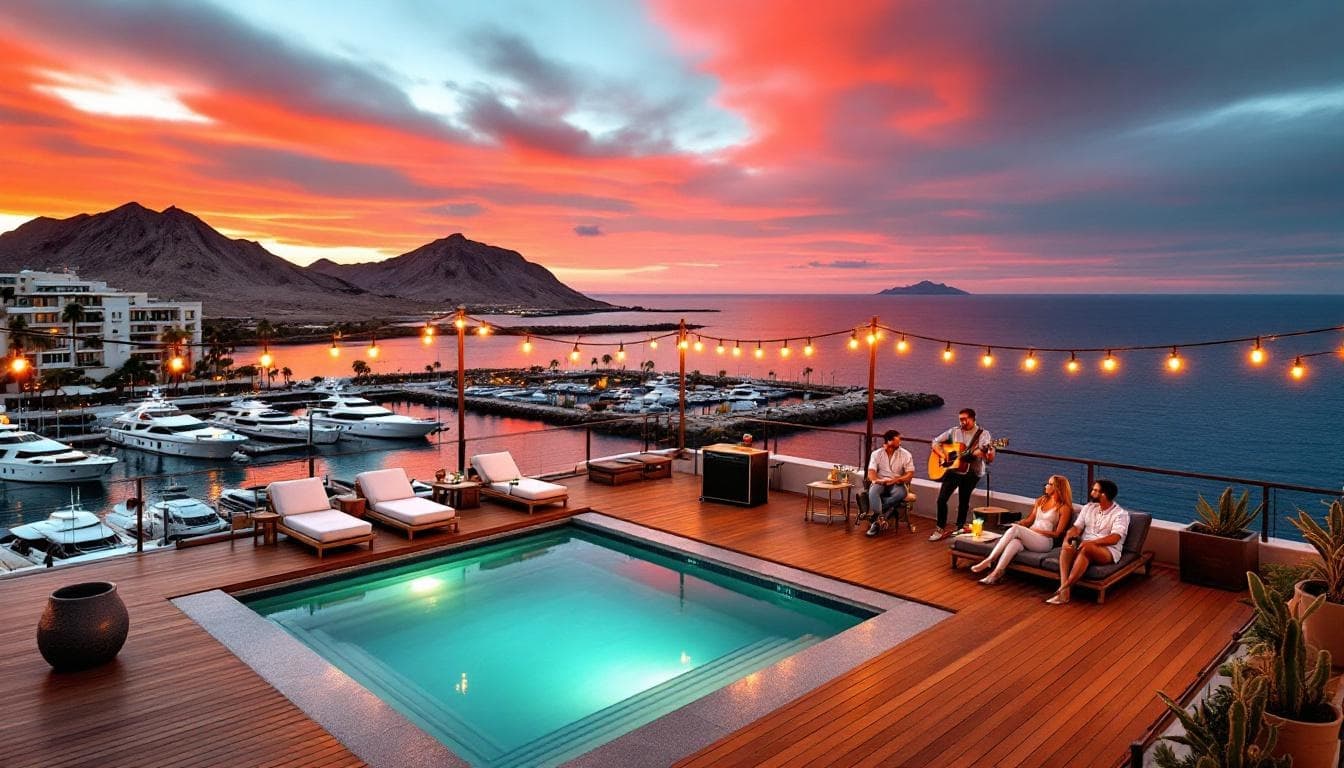
- Spectacular Sunrises and Sunsets: The colors over the Sea of Cortez and Pacific Ocean are truly magnificent. Capture the golden hour as you head out or return to the marina.
- Diverse Marine Life: Beyond marlin, keep an eye out for playful dolphins, curious sea lions, majestic whales (during winter months), and a variety of seabirds like pelicans and boobies.
- Coastal Scenery: The rugged cliffs, pristine beaches, and unique desert landscape meeting the ocean provide endless opportunities for landscape and scenic photography. A short boat trip around Land's End can yield stunning shots.
- The Marina & Local Culture: Document the bustling atmosphere of the Cabo San Lucas Marina, the colorful pangas, the local fishermen, and the vibrant energy of the town.
Budgeting Your Fishing Photo Expedition
Planning a specialized photography trip requires a realistic budget. Here’s a breakdown of what to expect in 2026:
- Yacht Charters: A private fishing charter, which we highly recommend for photographers to control the environment, can range from approximately $1,250 for a smaller motor yacht up to $6,500+ for a luxury catamaran or larger motor yacht per full day. This typically includes crew, basic tackle, and sometimes drinks.
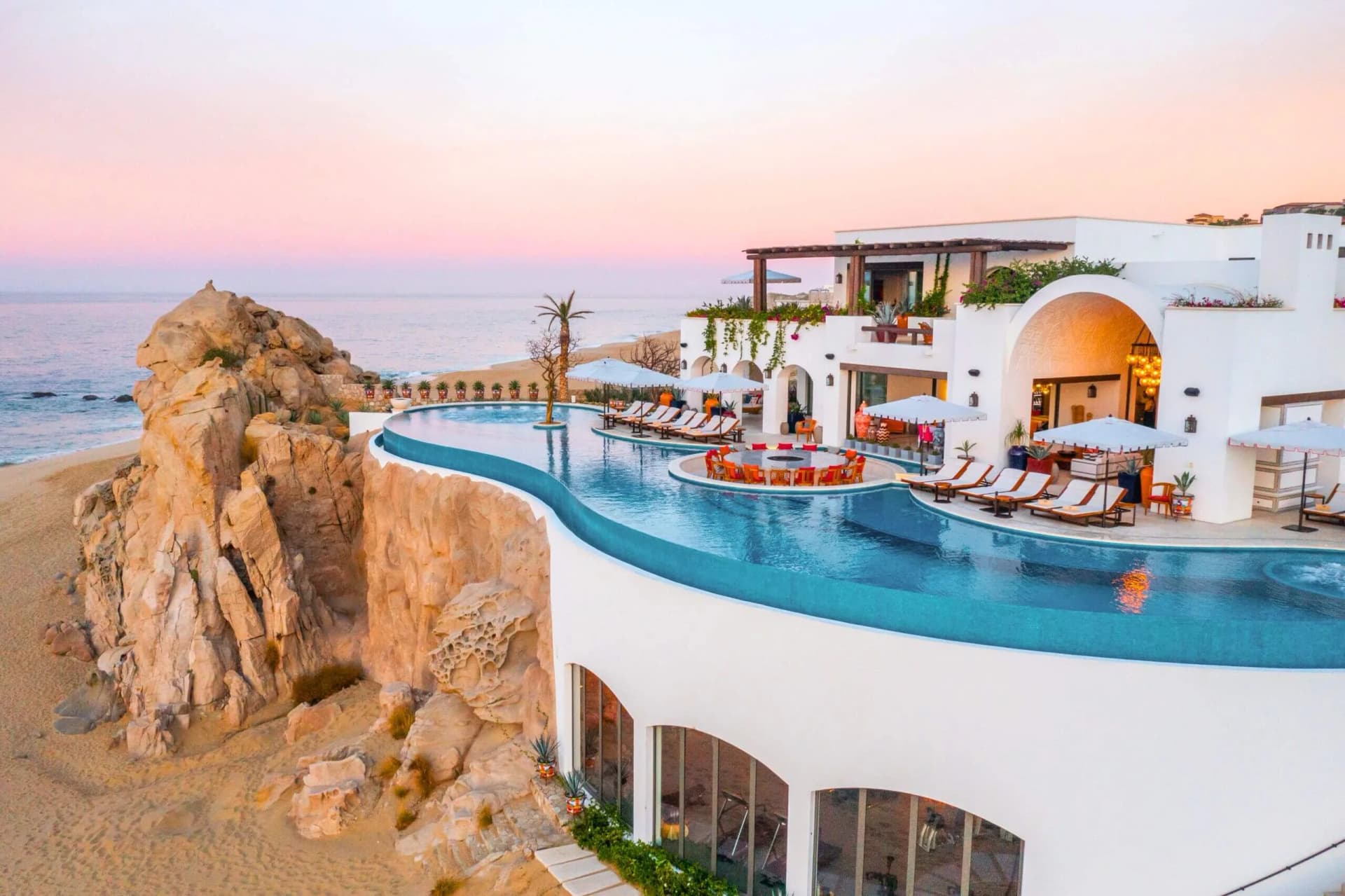
- Accommodation: Cabo offers a wide range of luxury villas. For example, a beautiful ocean-view villa in Pedregal like Casa Nolia starts around $840 per night, while a larger option like Villa Sol Y Luna is around $1260 per night. We manage 93 exquisite villas, offering options for every group size and preference. You can explore more at our villas page or specifically look for Luxury Villas in Pedregal.
- Transportation: Airport transfers from SJD to Cabo San Lucas will be around $75-150 each way depending on vehicle size.
- Food & Drinks: Dining out in Cabo can range from casual taco stands to high-end restaurants. Budget $50-200+ per person per day, depending on your preferences. Our platform features 93 incredible restaurants to choose from!
- Photography Gear: Factor in any rentals or specific accessories you might need for your trip.
Considering a private yacht charter and a comfortable villa, a daily budget for a dedicated photography expedition could range from $1,500 to over $7,000, depending on the yacht size and accommodation choice.
Sample Photo Expedition Itinerary (3-5 Days)
Day 1: Arrival & Coastal Reconnaissance
- Morning/Afternoon: Arrive at SJD International Airport. Our private transportation will whisk you away to your chosen luxury villa. Settle in and prepare your gear.
- Late Afternoon: Head to Medano Beach or a scenic overlook near your villa for sunset photography. Capture the vibrant colors as the sun dips below the horizon, scouting for interesting foreground elements.
- Evening: Enjoy a relaxed dinner at one of Cabo's fine restaurants. Perhaps El Farallon for a stunning oceanfront dining experience, or Nicksan Cabo for exceptional Japanese cuisine.
Day 2: Full-Day Marlin Fishing Expedition
- Early Morning: Depart from the marina on your pre-booked private yacht charter. The golden hour light as you head out to sea is perfect for atmospheric shots of the vessel and crew.
- Daytime: Focus entirely on capturing the marlin action. Work with your crew to anticipate jumps and bring in the fish strategically for optimal photo opportunities. Experiment with different lenses and angles to get a variety of shots – tight action, wide environmental, and emotional portraits of the anglers.
- Late Afternoon: As you return, capture the "hero shots" of the day's catch (before release) and the stunning sunset over Land's End.
- Evening: Review your shots, back up your memory cards, and celebrate a successful day.
Day 3: Diverse Marine & Coastal Photography
- Morning: Opt for a half-day charter focused on specific shots you might have missed, or explore different fishing grounds like the Finger Bank if you didn't on Day 2. Alternatively, take a smaller panga boat tour around Land's End to capture close-up shots of El Arco, Lover's Beach, and the sea lion colony.
- Afternoon: Visit the Cabo San Lucas Marina for street photography, capturing the vibrant life of the fishing fleet, local vendors, and luxury yachts. Consider exploring some of the unique adventures available, like a whale watching tour (seasonal) for diverse marine life photography.
- Evening: A more casual dinner, perhaps at Mango Deck for lively atmosphere and beach views.
Day 4 (Optional): Cultural Immersion & Landscape
- Daytime: Take a day trip to San Jose del Cabo to explore its charming Art District and colonial architecture, offering a different photographic aesthetic. Or, venture to the Pacific Side to Todos Santos for a bohemian vibe and stunning desert-meets-ocean landscapes.
- Evening: Enjoy a farewell dinner at a local favorite like Metate Cabo for authentic Mexican flavors.
Day 5: Departure
- Morning: Enjoy a final Cabo breakfast, pack your gear, and transfer back to SJD for your departure, filled with incredible memories and stunning photographs.
Planning a trip to Cabo?
Communicate your photography goals clearly with your captain and crew before your charter begins. Let them know what types of shots you're hoping to achieve, and they can often adjust their approach to help you get that perfect image of a jumping marlin or the release.
The prime season for marlin fishing and photography is from June through November, with the fall months often seeing the highest concentrations of fish. However, for diverse marine photography, consider the winter months (December-April) when whale watching is also in full swing.
Frequently Asked Questions
What is the best time of year for marlin fishing photography in Cabo?
What essential camera gear should I bring for a fishing trip?
Can I get close to the marlin for photos during a charter?
Are there specific fishing charters that cater to photographers?
What are the common catch-and-release practices for marlin in Cabo?
Explore More Cabo Guides
Our team lives in Cabo San Lucas and updates these guides regularly based on firsthand experience. Prices, hours, and availability are verified with local operators. Last updated May 2026.
Ready to Experience Cabo?
Our local Cabo team can help plan the perfect trip.