

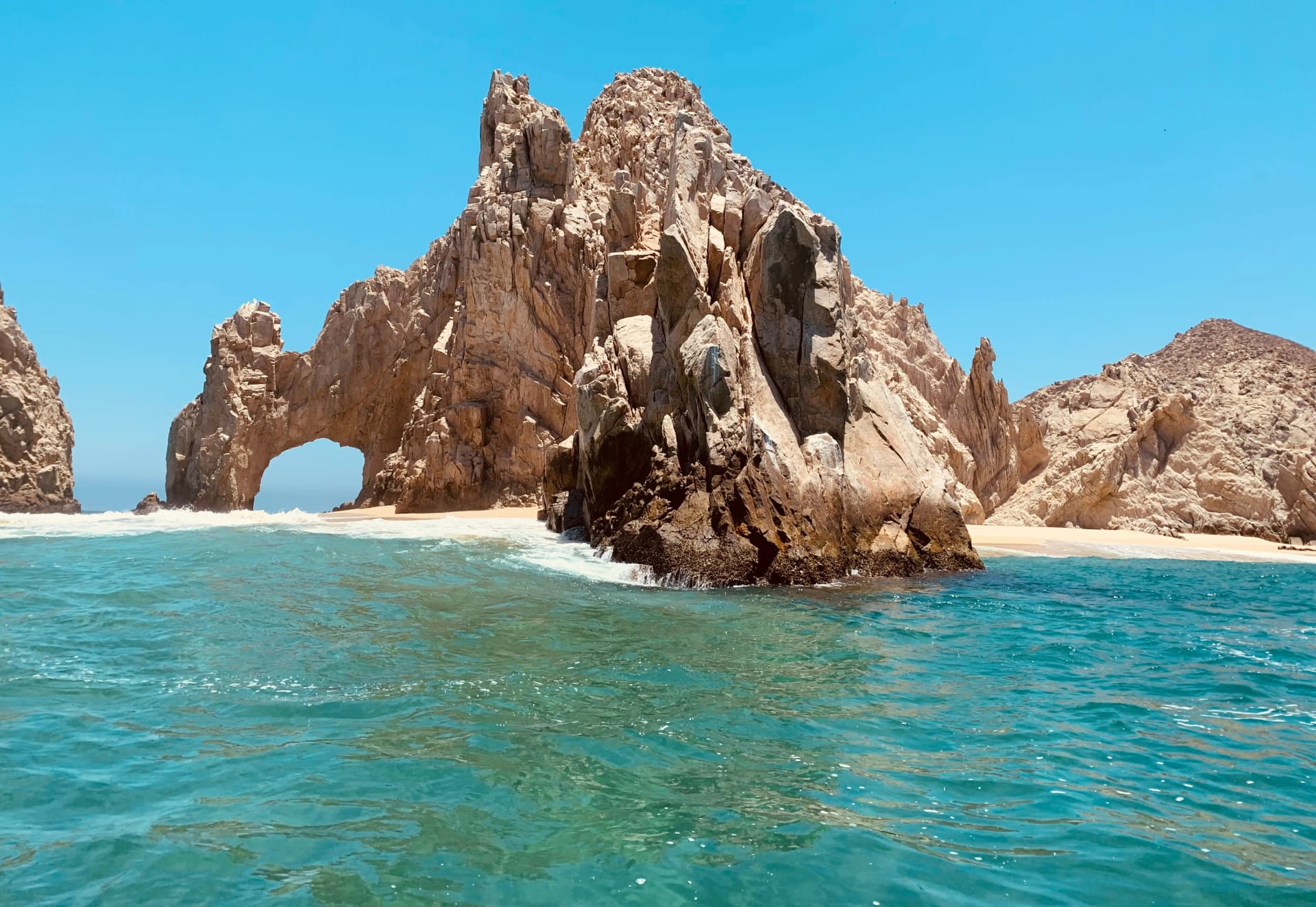

Money in Cabo: Currency, ATMs, and Tips for Your 2026 Vacation
Hola, future Cabo traveler! Ensuring a seamless and enjoyable luxury vacation means understanding the local financial landscape. Our team at cabo.la is here to demystify money matters, from currency to tipping.
In Cabo San Lucas, both Mexican Pesos (MXN) and US Dollars (USD) are widely accepted, but using Pesos often provides a better exchange rate. We recommend using bank-affiliated ATMs for cash withdrawals and carrying a mix of both currencies, along with a credit card, for optimal convenience and security.
Your Essential Guide to Money in Cabo San Lucas (2026)
Hola! Welcome to Cabo San Lucas, where the sun shines bright and the Sea of Cortez meets the Pacific Ocean. As your trusted local experts, we at cabo.la understand that planning a luxury escape involves more than just selecting the perfect villa or chartering a private yacht. Navigating the local currency, understanding ATM safety, and mastering tipping etiquette are crucial for a stress-free experience. Our guide is crafted from years of on-the-ground experience, ensuring you have the most current and reliable financial advice for your 2026 visit.
1. Understanding the Currency: Mexican Pesos (MXN) vs. US Dollars (USD)
One of the most common questions we receive is whether to use Pesos or Dollars. The simple answer is: both are widely accepted throughout Cabo San Lucas and the Corridor. However, for the best value, we always recommend using Mexican Pesos for most transactions, especially at smaller local businesses or for everyday purchases. When you pay in USD, vendors often use their own conversion rate, which may not be as favorable as the official bank rate. In 2026, the exchange rate typically hovers around 17-18 MXN to 1 USD.
Many larger establishments, luxury resorts like the One&Only Palmilla, and fine dining restaurants will list prices in USD, making transactions straightforward. For our 92 luxury villas or 14 exclusive yachts, prices are typically quoted in USD for your convenience. Keep a mix of both currencies if possible, especially smaller Peso denominations for tips and local markets.
2. ATM Best Practices: Where to Find Them & What to Watch For
Accessing cash is easy in Cabo, but choosing the right ATM is key for security and fair fees. We strongly advise using ATMs located inside reputable banks (such as Banamex, Santander, HSBC, Scotiabank) or within well-known supermarkets. These are generally more secure and less prone to skimming devices than standalone ATMs found on the street or in small convenience stores.
When withdrawing cash, always decline the 'Dynamic Currency Conversion' option if offered. This is when the ATM asks if you want your transaction processed in USD instead of MXN. Declining it allows your own bank to handle the conversion, typically at a much better rate. Be mindful of withdrawal limits and daily fees, which can vary by bank. Always inform your home bank of your travel plans to avoid card freezes.
3. Credit & Debit Cards: Convenience, Security, and Fees
Major credit cards like Visa, MasterCard, and American Express are widely accepted at hotels, resorts, larger restaurants, and shops. Debit cards can also be used for purchases and ATM withdrawals. Before your trip, contact your bank or credit card company to notify them of your travel dates to Mexico. This prevents your card from being flagged for suspicious activity and potentially frozen.
It's also important to understand any foreign transaction fees associated with your cards. Some cards offer no foreign transaction fees, which can save you a significant amount over a luxury vacation. Always carry a secondary card as a backup, and keep your card information secure. For high-value transactions, like booking your luxury concierge services or a lavish dinner at Sunset Monalisa, credit cards offer excellent consumer protection.
4. Tipping Etiquette: A Guide to Showing Appreciation
Tipping (propina in Spanish) is customary and expected in Mexico, particularly in a service-oriented destination like Cabo San Lucas. It's a vital part of the service industry's income, and showing your appreciation for excellent service is always welcome. Here's a general guide:
- Restaurants & Bars: 15-20% for good service. If the bill includes a 'service charge,' clarify if it's a tip or a general fee.
- Housekeeping: $3-5 USD (or 50-100 MXN) per night, left daily.
- Bellhops & Porters: $1-2 USD (or 20-40 MXN) per bag.
- Taxi Drivers: Tipping is not strictly necessary unless they provide extra service (e.g., helping with luggage). Rounding up the fare is common. For pre-arranged private transportation, 10-15% is appreciated.
- Tour Guides & Yacht Crews: 15-20% of the tour or charter cost, depending on the length and quality of service. For a Lagoon 65ft Catamaran, this can be a substantial tip, but well-deserved for an exceptional experience.
- Spa Services: 15-20% of the service cost.
We recommend tipping in Pesos when possible, as it's easier for locals to use, but USD is always accepted with gratitude.
5. Budgeting for Your Cabo Trip: Beyond the Obvious
While the cost of your Pedregal villa or private jet is clear, budgeting for the smaller expenses can make a big difference. Consider daily costs for dining, activities (like our 36 unique adventures), local transportation, and souvenirs. Cabo offers options for every budget, from casual taco stands to exquisite fine dining at places like Don Sanchez Restaurant.
Our concierge team can help you plan and budget for every aspect of your trip, providing insights into local pricing and helping you avoid unexpected costs. We can arrange everything from grocery stocking to private chefs, ensuring transparency in all expenses.
6. Exchange Rates & Money Changers: Best Practices
While you might see money exchange booths at the airport or in tourist zones, their rates are often less favorable than what you'd get from a bank ATM. We generally advise against exchanging large sums of cash at these locations. If you arrive with USD, it's best to either use it directly where accepted or withdraw Pesos from a bank ATM. Planning ahead by withdrawing enough Pesos for your initial needs from a bank ATM in a major town like San Jose del Cabo or downtown Cabo San Lucas is a smart move.
7. Safety & Security: Protecting Your Finances
Just like any travel destination, practicing financial safety in Cabo is important. Avoid carrying large amounts of cash. Utilize the safe in your villa or resort room for valuables, extra cash, and important documents. Be discreet when handling money in public, and always be aware of your surroundings, especially when using ATMs. If you're out enjoying Cabo's vibrant nightlife, keep your wallet or purse secure. Our concierge team can assist with secure bookings and arrangements, minimizing any need to carry excessive cash.
How to Choose Your Payment Strategy
Deciding on the best payment strategy for your Cabo vacation in 2026 involves a few considerations:
- For small, local purchases (taxis, street vendors, small shops): Cash (Pesos) is king. It's faster, often gets you a better price, and simplifies transactions.
- For mid-range restaurants and activities: A mix of Pesos cash and credit cards works well. Always ask if they prefer cash or card.
- For luxury villas, high-end resorts, and major excursions (like a yacht charter): Credit cards are generally preferred for security and convenience, and prices are often quoted in USD.
- For tipping: Small denominations of Pesos or USD are both appreciated.
The most flexible approach is to carry a combination: some Pesos for daily incidentals, some USD for convenience at major tourist spots, and a credit card for larger expenses and emergencies. Remember, our team is always here to provide real-time advice and assistance.
Planning a trip to Cabo?
Always carry small Peso denominations (20, 50, 100 MXN notes) for tipping and small purchases from street vendors or local markets. It makes transactions smoother and ensures your tips are easily used by the recipient.
During peak season (November-April), some popular services or tours might see slight price increases due to demand. Always book your <a href="/adventures">adventures</a> and <a href="/restaurants">dining reservations</a> in advance, and confirm pricing.
Frequently Asked Questions
Is it better to use USD or MXN in Cabo San Lucas?
Where are the safest ATMs in Cabo for cash withdrawals?
What is the typical tipping percentage in Cabo San Lucas?
Should I exchange money before arriving in Cabo?
Are credit cards widely accepted in Cabo?


Explore More Cabo Guides
Our team lives in Cabo San Lucas and updates these guides regularly based on firsthand experience. Prices, hours, and availability are verified with local operators. Last updated May 2026.
Let Us Handle the Details
Our local Cabo team can help plan the perfect trip.