

Back to Blog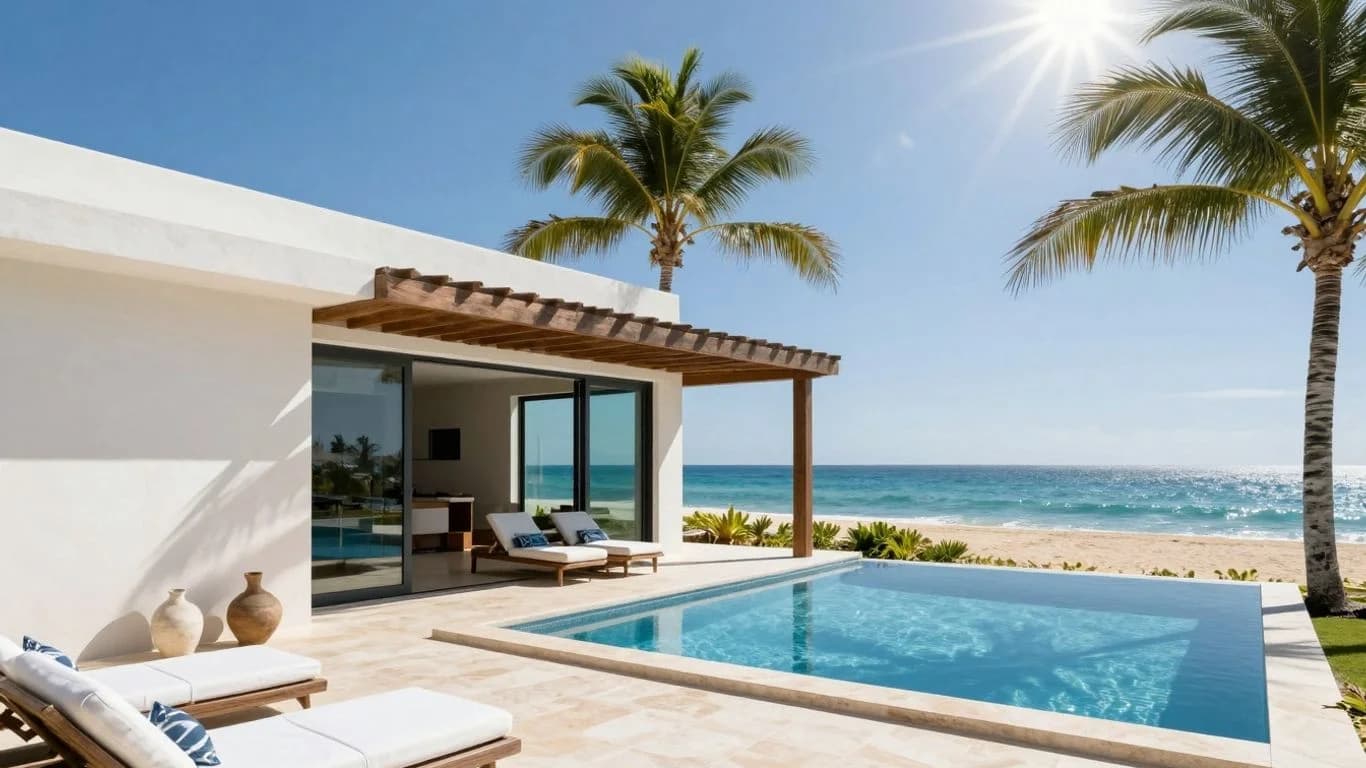
Retiring in Cabo: Complete Cost of Living Guide
Isabella
Updated April 27, 202616 min read
Thinking about retiring in Cabo? It's a dream for many, and honestly, it's totally doable without needing a king's ransom. This guide is all about figuring out the real retiring in Cabo cost. We'll break down what you can expect to spend on a place to live, staying healthy, your everyday stuff, and having some fun. It's not as complicated as it sounds, and with a little planning, you can make that sunny beach life a reality.
Key Takeaways
* The cost of living in Cabo can be surprisingly manageable, often ranging from $1,500 to $4,000 per month depending on your lifestyle. * Housing is a big part of the budget, with rental condos starting around $1,000 per month and single-family homes typically between $1,500 and $3,000. * Healthcare in Cabo is generally more affordable than in North America, with private insurance costing around $100-$300 monthly and doctor visits being much cheaper. * Daily expenses like groceries and utilities are reasonable, with groceries estimated at $300-$600 monthly and utilities around $150-$250. * Entertainment and leisure activities offer a wide range, from budget-friendly local events to more costly excursions, allowing flexibility in your spending.Understanding Your Cabo Retirement Budget
So, you're thinking about packing it all in and heading to Cabo for retirement. That's awesome! It's a dream for a lot of folks, and honestly, who wouldn't want to wake up to ocean views and sunshine every day? But before you start picturing yourself on the beach with a margarita, we need to talk about the money side of things. Figuring out your budget is probably the most important step, and it's not as scary as it sounds if you break it down.Estimating Monthly Expenses for Retiring in Cabo
When you're planning your monthly spending, think about the things you do every single day or week. This is where your money will go most consistently. We're talking about the basics, like where you'll live, what you'll eat, and how you'll get around. It's easy to forget little things, but they add up fast. Having a clear picture of these regular costs is key to a stress-free retirement. Here's a general idea of what you might be looking at: * Housing: This is usually the biggest chunk. Rent for a decent place can range quite a bit, maybe from $1,000 for a smaller spot to $2,500 or more for something larger or closer to the water. Buying is a whole other ballgame, but we'll get to that. * Groceries: If you plan to cook at home most of the time, budget around $300 to $600 a month. Buying local produce is pretty affordable, but if you're craving imported cheeses or specific brands, that cost goes up. * Utilities: Think electricity, water, and internet. Expect to pay somewhere between $150 and $250 monthly. AC use in the hotter months can really bump up the electric bill, so keep that in mind. * Transportation: Whether you're using public transport, taxis, or have your own car, set aside about $100 to $200 for getting around. * Healthcare: Even with insurance, there are always co-pays or out-of-pocket costs. We'll cover this more later, but it's good to have a small buffer. > Remember, these are just estimates. Your actual costs will depend a lot on your personal lifestyle and where exactly you choose to live in the Cabo area. Some neighborhoods are definitely pricier than others.Annual Cost Considerations for Cabo Living
Beyond the monthly bills, there are costs that pop up once a year or less often. These might not hit your bank account every month, but you absolutely need to plan for them so you don't get caught off guard. Missing these can really throw a wrench in your budget. * Property Taxes/Homeowner Fees: If you buy a place, you'll have annual property taxes. Even if you rent, some condos have monthly or annual fees that cover things like pool maintenance or security. These can add up. * Travel: Are you planning to visit family back home once a year? Or maybe take a few trips within Mexico? Factor in flights, accommodation, and spending money for these excursions. * Home Maintenance/Repairs: Things break, especially in a coastal environment. Whether it's your rental needing a new appliance or your own home needing a paint job, it's wise to have a fund for unexpected repairs. * Insurance: Beyond health insurance, you might need renter's or homeowner's insurance, and possibly even car insurance if you bring a vehicle.Factors Influencing Your Retiring in Cabo Cost
Okay, so what makes one person's Cabo retirement cost different from another's? It really comes down to a few big things: * Lifestyle: Are you a homebody who loves to cook, or do you eat out every night? Do you prefer quiet nights in or are you always out exploring and trying new activities? Your daily habits directly impact your spending. * Location: Living right on the beach in a luxury resort area will cost significantly more than a charming apartment a few miles inland. Even within Cabo, different neighborhoods have different price tags. * Housing Choice: Renting versus buying is a massive decision. Buying might have higher upfront costs but could be cheaper long-term. Renting offers more flexibility but your monthly housing cost is less predictable over many years. * Healthcare Needs: If you have ongoing medical conditions, your healthcare costs will naturally be higher, even with insurance. Researching local providers and insurance plans is super important here. * Currency Exchange Rates: While many expats use US dollars, the local economy runs on Mexican Pesos. Fluctuations in the exchange rate can affect how much your money is worth, so it's smart to keep an eye on it.Housing Costs for Retiring in Cabo
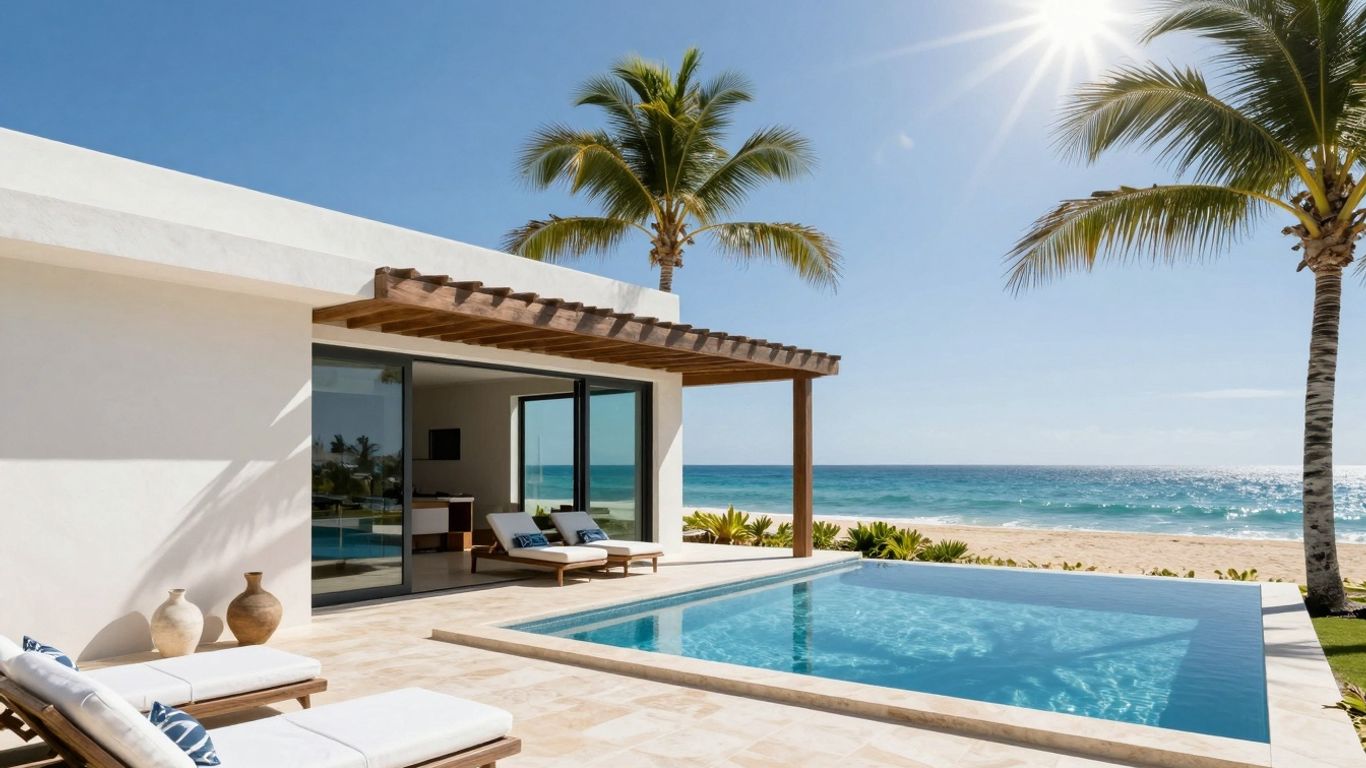 When you're thinking about packing up and moving to Cabo for retirement, figuring out where you'll live and what it'll cost is probably one of the first things on your mind. It's a big piece of the puzzle, for sure. Cabo offers a pretty wide range of housing options, from cozy little spots to sprawling villas with ocean views. Your choice here can really shape your overall budget.Rental Market Insights for Cabo Retirees
Renting is a popular choice for many retirees, especially when they're first getting settled or prefer not to deal with property upkeep. You can find apartments and houses all over, but prices definitely change depending on the neighborhood and how close you are to the beach or popular areas. Think about what's important to you – being right in the middle of the action or finding a quiet spot away from the crowds. A two-bedroom place in a nice area might run you somewhere in the ballpark of $1,000 to $1,500 a month, but that can go up if you're looking for something more upscale or with a prime location. It's worth doing some digging to find a place that feels like home without breaking the bank. Many people find that renting an upscale home in a trendy neighborhood in Mexico, offering more space, can cost between $1,000 to $1,500 per month.Homeownership Expenses in Cabo
Buying a place in Cabo is also an option, and for some, it offers a sense of permanence and investment. The process can be a bit different than what you might be used to back home, so it's a good idea to work with a local real estate agent who knows the ropes. Beyond the purchase price, you'll need to factor in closing costs, which can include things like legal fees and transfer taxes. Owning a home here means you'll also be responsible for maintenance, which can vary depending on the property and the climate. Some developments have homeowners' associations (HOAs) that cover common area upkeep and amenities, but these come with their own monthly or annual fees.Understanding Property Taxes and Fees
If you decide to buy, you'll need to understand the ongoing costs like property taxes and any associated fees. Property taxes in Mexico are generally quite reasonable compared to many places in the U.S. or Canada. They're typically calculated as a small percentage of the property's assessed value each year. On top of that, if you're part of a condo complex or a gated community, you'll likely have to pay monthly or annual fees for maintenance of shared spaces, security, and amenities. These fees can add up, so make sure you get a clear picture of all these costs before you sign any papers. > Choosing the right housing situation is more than just finding a roof over your head; it's about finding a place that fits your lifestyle and budget, allowing you to truly enjoy your retirement years in Cabo.Healthcare Expenses for Cabo Retirees
When you're thinking about retiring in Cabo, healthcare is a big piece of the puzzle. It's good news, though, because getting quality medical care here is generally much more affordable than back home in the States or Canada. You've got a couple of main routes to go, and understanding them can really help you plan your budget.Affordability of Healthcare Services
Let's talk numbers. You can expect to pay significantly less for medical services in Cabo compared to North America. A typical doctor's visit might run you anywhere from $30 to $60. Even emergency care, which can be a huge expense elsewhere, is often around half the price you'd find in the U.S. This lower cost doesn't mean lower quality; many clinics and hospitals here are modern and well-equipped.Navigating Private Health Insurance Options
Many retirees opt for private health insurance for peace of mind and quicker access to specialists. Premiums can vary quite a bit depending on your age, health status, and how much coverage you want, but a ballpark figure is often between $100 and $300 per month. It's worth shopping around and comparing plans. Some plans even offer coverage beyond Mexico, which can be handy if you travel. Here's a general idea of what you might expect: * Monthly Insurance Premiums: $100 - $300+ * Doctor Visit (Out-of-Pocket): $30 - $60 * Specialist Visit (Out-of-Pocket): $50 - $100+ * Basic Dental Cleaning: $40 - $70Comparing Medical Costs to North America
It's pretty striking when you compare. A procedure that might cost thousands in the U.S. could be a fraction of that in Cabo. Even with private insurance, the total cost for healthcare in Cabo is often less than what many Americans pay for basic coverage alone. This affordability is a major draw for retirees looking to make their savings last longer. > While public healthcare options like IMSS are available and very low-cost for residents, many expats find the combination of private insurance and out-of-pocket payments for routine visits offers the best balance of cost, convenience, and access to care. It's wise to research local hospitals and clinics in the area you plan to live to see which ones work best with your chosen insurance or payment method. Remember to look into how your current health insurance works (or doesn't work) in Mexico before you move. Some U.S. plans might offer limited coverage, but relying solely on that is usually not the best idea. Getting a clear picture of your healthcare costs will make your retirement budget much more solid.Daily Living Expenses in Cabo
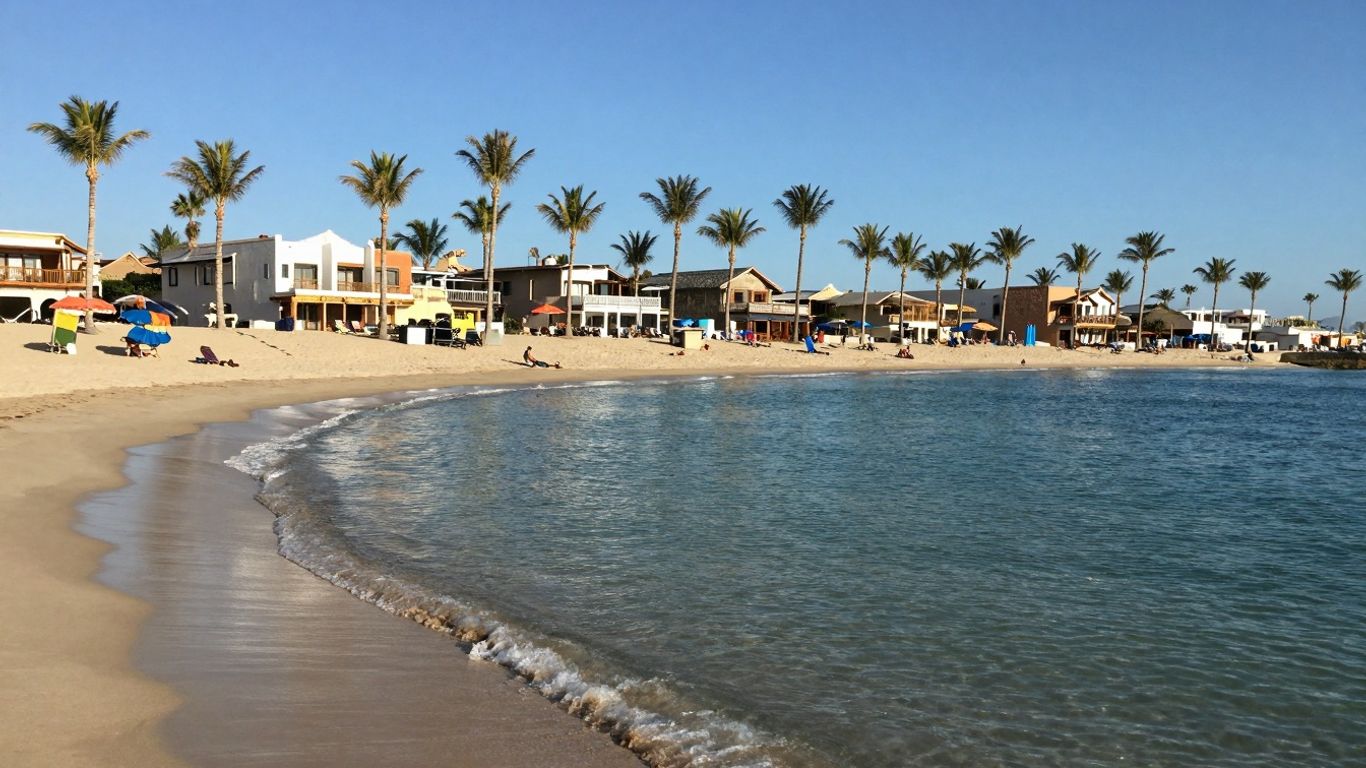 When you're thinking about moving to Cabo for retirement, it's not just about the big stuff like housing and healthcare. You've also got to factor in the everyday costs – the groceries, the utilities, how you'll get around. These might seem small individually, but they add up, and understanding them is key to making sure your retirement fund stretches as far as you need it to.Grocery Shopping and Food Costs
Food is a big part of life, right? In Cabo, you'll find a mix of local markets and larger supermarkets. If you're looking to save money, hitting up the local _mercados_ for fresh produce can be a great way to go. You can find everything from ripe mangoes to fresh cilantro without spending a fortune. For more familiar brands or specific items, there are larger grocery stores too, though prices might be a bit higher. Eating like a local, with plenty of fresh ingredients, can really help keep your food budget in check. Here's a rough idea of what you might spend monthly on groceries, depending on your eating habits: | Item Category | Estimated Monthly Cost (USD) | | --- | --- | | Fresh Produce | $100 - $200 | | Meat & Poultry | $80 - $150 | | Dairy & Eggs | $40 - $70 | | Pantry Staples | $50 - $100 | | Total (approx.) | $270 - $520 |Utilities and Essential Services
Keeping your home comfortable means paying for electricity, water, and internet. Electricity can sometimes be a bit pricier, especially if you plan on running air conditioning a lot during the warmer months. Water is generally more affordable. Internet service is widely available, and prices are pretty competitive. * Electricity: Expect to pay anywhere from $50 to $150+ per month, depending heavily on A/C usage. * Water: Typically costs around $15 to $30 per month. * Internet: Plans usually range from $30 to $60 per month for decent speeds. * Propane (for cooking/hot water): If you use propane tanks, budget around $10-$20 per month on average, as they're usually refilled every few months. > Budgeting for utilities requires a bit of foresight. It's wise to set aside a little extra each month for electricity, as seasonal changes can cause fluctuations. Checking with potential landlords or neighbors about average bills in your specific area can give you a more precise picture.Transportation Options and Expenses
Getting around Cabo offers a few choices. Many retirees find that having a car is convenient, especially if they plan on exploring beyond the immediate tourist areas. Gas prices are comparable to what you might find in parts of the US. However, if you prefer not to drive, there are local buses that are quite affordable for getting between Cabo San Lucas and San Jose del Cabo. Taxis and ride-sharing services are also available, though they can add up if used frequently. For shorter distances within towns, walking or using a bicycle can be pleasant and free ways to get around. * Car Ownership: Factor in gas, insurance, and potential maintenance. Gas might cost $100-$200+ per month depending on how much you drive. * Public Buses: Very inexpensive for inter-city travel, often just a few dollars per ride. * Taxis/Ride-Sharing: Can range from $5-$20+ for short to medium trips.Entertainment and Leisure in Cabo
So, you're thinking about retiring in Cabo, huh? Beyond the practical stuff like housing and healthcare, let's talk about the fun part – what you'll actually _do_ down there. Cabo isn't just about relaxing on the beach (though there's plenty of that!). It's got a lively scene, and knowing how to budget for it means you can enjoy it without stressing your wallet.Dining Out and Socializing Costs
Cabo has a food scene that's pretty diverse. You can find everything from super fancy places with ocean views to little local spots where you can grab some amazing tacos. If you're planning to eat out a few times a week, you'll want to factor that in. A nice dinner for two at a mid-range restaurant, maybe with a couple of drinks, could set you back anywhere from $40 to $70. If you're hitting up the more upscale places, that number can climb pretty fast, easily reaching $100 or more for a meal. Here's a rough idea of what you might spend: | Type of Dining | Estimated Cost (per person) | | --- | --- | | Casual Local Eatery | $10 - $20 | | Mid-Range Restaurant | $25 - $50 | | Upscale Dining | $60+ | | Drinks at a Bar | $5 - $15 | Of course, happy hour deals can really help stretch your budget if you enjoy a sundowner or two.Budgeting for Activities and Excursions
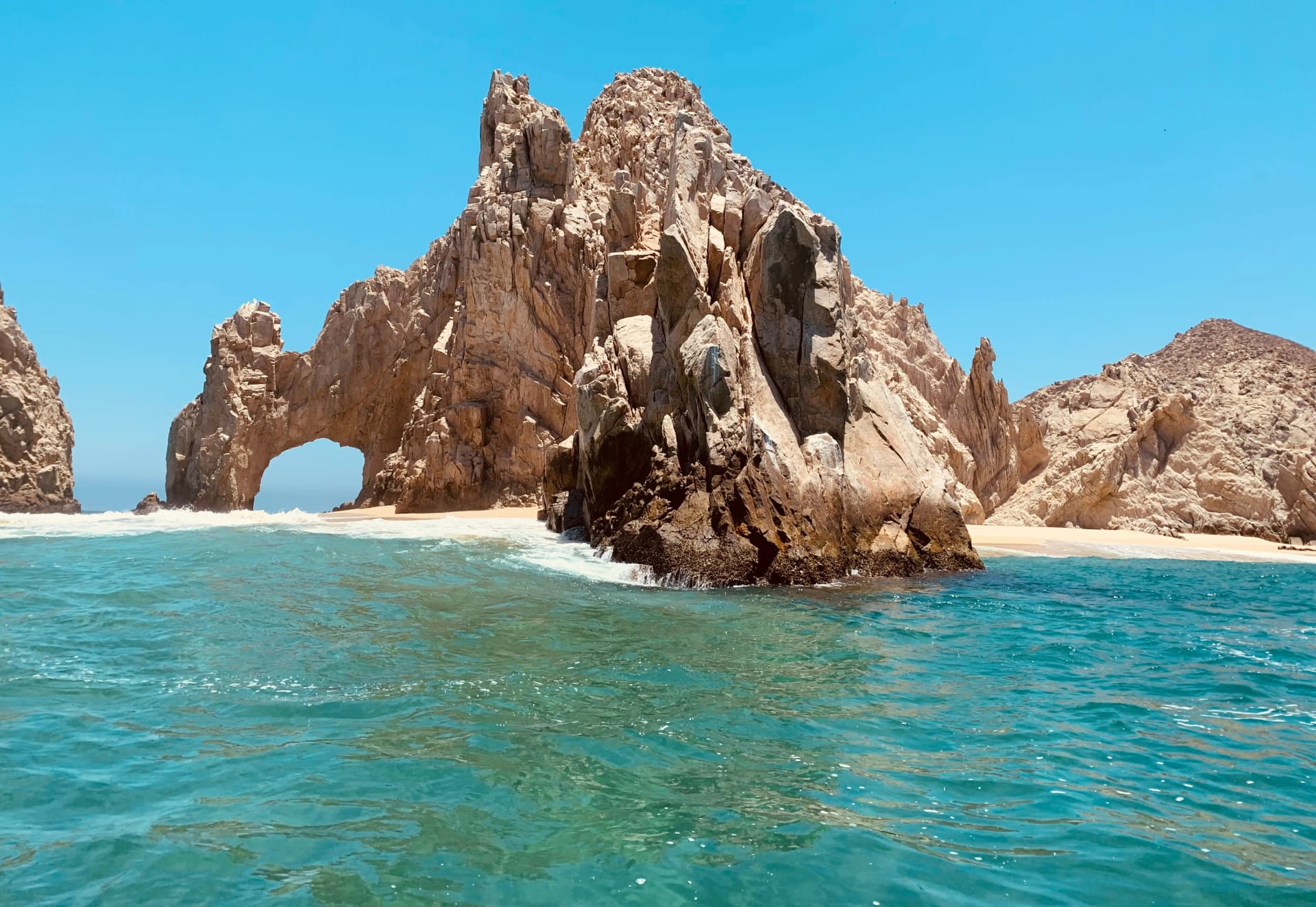
This is where Cabo really shines, but it can also be a budget-buster if you're not careful. Think about what you love to do. Are you into fishing? Golfing? Boat tours to see the Arch? These activities are fantastic, but they often come with a price tag. * Boat Tours: A trip to see El Arco and maybe some snorkeling can range from $50 to $100 per person. * Fishing Charters: If you're serious about fishing, chartering a boat for a half-day can easily be $300-$500 or more, though you can sometimes find shared charters for less. * Golf: Green fees at popular courses can be $100-$200, sometimes more, depending on the course and time of year. * Adventure Tours: ATV rides, zip-lining, or camel rides on the beach usually fall in the $80-$150 range. It's easy to get caught up in all the amazing things to do, so setting a specific monthly amount for excursions is a smart move. Maybe aim for one or two bigger activities a month and fill the rest of your time with more low-key options.Enjoying Free and Low-Cost Local Events
Don't think you have to spend a fortune to have a good time in Cabo. There are tons of ways to enjoy yourself without emptying your bank account. The natural beauty itself is a huge draw – think long walks on the beach, watching the sunset, or exploring local markets. * Beach Days: The beaches are free! Pack a picnic and spend the day soaking up the sun. * Local Markets: Wander through the art markets or farmers' markets. It's a great way to experience the local culture, and you might find some unique souvenirs or fresh produce without spending much. * Community Events: Keep an eye out for local festivals, free concerts in the town square, or cultural celebrations. These are often advertised locally and offer a real taste of Cabo life. > Living in Cabo doesn't mean you have to constantly be spending money on expensive tours or fancy dinners. Sometimes the best experiences are the simple ones, like enjoying a quiet evening watching the waves or chatting with locals at a small cafe. Finding that balance between planned activities and spontaneous, low-cost enjoyment is key to a fulfilling retirement here. Basically, Cabo offers a lot for retirees, but like anywhere, you need to have a handle on your spending. By understanding the costs for dining, activities, and taking advantage of the free stuff, you can build a retirement here that's both fun and financially sound.Real-Life Retirement Scenarios in Cabo
So, you're thinking about packing it all in and heading to Cabo for retirement? That's awesome! But what does that actually look like, budget-wise? It's not a one-size-fits-all deal, you know. Your daily life, how much you like to go out, or if you prefer quiet time – it all shakes out differently in your bank account. Let's break down a few common ways people are living it up in Cabo.Case Study: The Active Retiree Budget
Meet John and Lisa. These two are all about getting out there and doing things. They've found a nice two-bedroom place not too far from the beach, and their monthly bills, including rent and private health insurance, come in around $3,000. They love to stay busy, so they set aside money for things like snorkeling trips, maybe a round of golf, or exploring some of the local sights. Their focus is on experiences and staying healthy, and they've found Cabo offers plenty of both without costing a fortune. Here's a rough idea of where their money goes: * Housing: $1,500 (rent for a 2-bedroom condo) * Utilities: $200 (electricity, water, internet) * Groceries: $500 * Healthcare: $250 (private insurance) * Activities & Entertainment: $550 (tours, dining out, golf) > They figured out that by being a bit smart about booking tours and looking for local deals, they could really stretch their budget for fun activities.Case Study: The Social Retiree Budget
Maria is the kind of person who thrives on connection. She's really gotten into the local scene, making friends and enjoying all sorts of gatherings. Her budget is a bit lower, around $2,500 a month. She enjoys eating out quite a bit, but she's also a pro at finding free local festivals and community events that keep her busy and connected without spending much. She lives in a comfortable apartment that fits her needs. Maria's typical monthly breakdown: * Housing: $1,000 (rent for a 1-bedroom apartment) * Utilities: $150 * Groceries: $400 * Healthcare: $200 (private insurance) * Dining Out & Socializing: $750 (frequent meals out, drinks with friends)Case Study: The Tranquil Retiree Budget
Tom is looking for peace and quiet. His Cabo real estate in Cabo is more about enjoying simple pleasures – maybe reading a good book on his patio or tending to a small garden. He's managed to keep his monthly expenses down to about $2,000. This covers his rent for a modest place, plus all his basic living costs. He finds plenty of enjoyment exploring local parks and quiet beaches, which doesn't cost him a dime. Tom's monthly spending: * Housing: $800 (rent for a studio or small 1-bedroom) * Utilities: $150 * Groceries: $350 * Healthcare: $150 (basic private insurance) * Leisure & Personal: $550 (books, occasional small purchases, local transport for park visits) These examples show that retiring in Cabo can really be tailored to your own pace and interests. It’s all about figuring out what makes you happy and then building a budget around that.So, Can You Afford to Retire in Cabo?
Thinking about packing it all in and moving to Cabo? It really seems doable, doesn't it? We've looked at the numbers for housing, healthcare, everyday stuff, and even fun activities. It turns out that with a bit of smart planning, retiring in Cabo can be a lot more realistic than you might think. Whether you're picturing yourself on a quiet beach or exploring the local scene, Cabo offers a lifestyle that many can achieve without totally emptying their bank accounts. It's all about figuring out what matters most to you and making your budget work for that. So, if Cabo has been calling your name, start crunching those numbers – your sunny retirement might be closer than you imagined.Find Your Perfect Villa in Cabo
Discover luxury villa rentals with private pools, ocean views, and concierge service for an unforgettable Cabo vacation.
Browse Luxury VillasStay in the Loop
Get the latest Cabo travel tips and exclusive deals delivered to your inbox.