
Diving Insurance in Los Cabos: What You Need
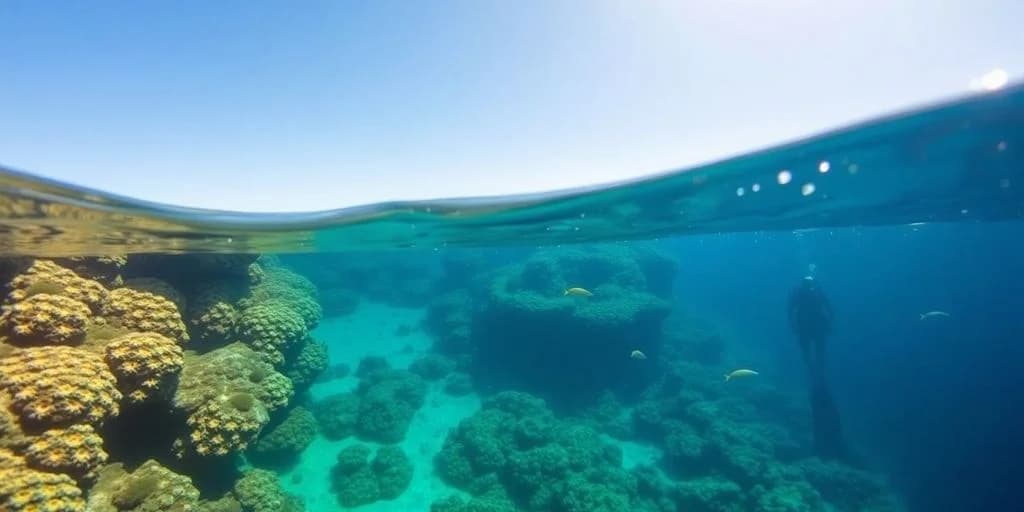
Thinking about diving in Los Cabos? It's a fantastic spot with amazing marine life and great diving conditions. But before you dive in, there's one thing you shouldn't overlook: diving insurance. It’s not just about peace of mind; it’s about being prepared for any mishaps underwater. In this article, we’ll cover everything you need to know about diving insurance requirements in Los Cabos, from why it’s important to how to pick the right plan for you.
Key Takeaways
- Diving insurance in Los Cabos is a must-have for safety and peace of mind.
- There are different types of diving insurance available, so choose one that fits your diving habits.
- Costs for diving in Los Cabos can vary, but investing in insurance is worth it.
- Emergency services are quick and reliable, with hyperbaric chambers nearby for diving emergencies.
- Always check your gear and ensure it’s well-maintained to avoid potential risks while diving.
Understanding Los Cabos Diving Insurance Requirements
Why Diving Insurance is Essential
Diving insurance might not be the first thing on your mind when planning a trip to Los Cabos, but it's definitely something you shouldn't skip. Diving accidents, while rare, can happen, and the costs of medical treatment can quickly add up. Having insurance ensures that you're covered for any mishaps, giving you peace of mind as you explore the underwater wonders. Plus, Los Cabos is a hotspot for diverse marine life, making it a popular diving destination where accidents can occur due to various factors like equipment failure or unexpected weather changes.
Types of Diving Insurance Available
When it comes to diving insurance, there are a few options to consider:
- Specialized Diving Insurance: Plans like those from DAN (Divers Alert Network) or Dive Assure offer coverage specifically for diving-related incidents. These plans typically cover emergency evacuations, medical expenses, and even trip cancellations.
- Standard Travel Insurance: Some travel insurance policies include diving coverage, but it's crucial to check the specifics. Many only cover dives up to a certain depth, which might not be suitable for all diving activities in Los Cabos.
- Annual vs. Trip-Specific Plans: Depending on how often you dive, you might opt for an annual plan if you're a frequent diver or a trip-specific plan for a one-time adventure.
How to Choose the Right Insurance Plan
Choosing the right diving insurance plan can be tricky, but here are some tips to help you decide:
- Assess Your Diving Activities: Consider the type of dives you plan to do. Are you sticking to shallow waters, or are you venturing into deeper, more adventurous dives?
- Check Coverage Limits: Ensure the plan covers medical expenses and emergency evacuations to a level you're comfortable with. For example, travel insurance for Mexico often requires coverage of at least $50,000 for medical expenses and $100,000 for emergency evacuations.
- Read the Fine Print: Always read the details. Some plans have exclusions or limitations based on the depth of the dive or specific activities like cave diving.
Having the right insurance is like having a safety net. It’s not just about being prepared for the worst; it’s about enjoying your dive knowing that you’re protected. With the vibrant marine life and stunning dive spots in Los Cabos, you’ll want to focus on the experience, not the what-ifs.
Exploring the Costs of Diving in Los Cabos
Average Costs of Diving Courses
Diving in Los Cabos is a bit on the pricier side, but it's worth every penny. For those looking to get certified, the cost of a full PADI Open Water Course, which includes theory, pool sessions, and four open water dives, typically ranges from $550 to $700 USD. If you're not ready to commit to a full course, consider a discovery scuba diving in Cabo experience. It's a good way to get your feet wet without diving into a full certification.
Equipment Rental vs. Purchase
When it comes to gear, you have two options: rent or buy. Renting is convenient and saves you the hassle of lugging around heavy equipment. Expect to pay between $120 to $150 USD for a double tank dive, including rental gear. On the flip side, buying your own equipment can be a sound investment if you're planning to dive frequently. Brands like ScubaPro and Aqualung offer quality gear, and while the upfront cost is higher, having your own gear means you're always comfortable with what you're using.
Budgeting for Diving Insurance
Don't skip on diving insurance. It's an essential part of your diving budget. Plans like those from Divers Alert Network (DAN) or Dive Assure start at around $40 per year, offering peace of mind in case of emergencies. While some travel insurance policies cover diving, they often limit coverage to shallow depths, so it's crucial to check the specifics.
Planning your diving trip to Los Cabos involves more than just picking the best dive spots. Consider the costs of courses, gear, and insurance to ensure a safe and enjoyable experience. Remember, investing in proper coverage and equipment is key to worry-free underwater adventures.
Safety Measures and Emergency Services in Los Cabos
Importance of Well-Maintained Equipment
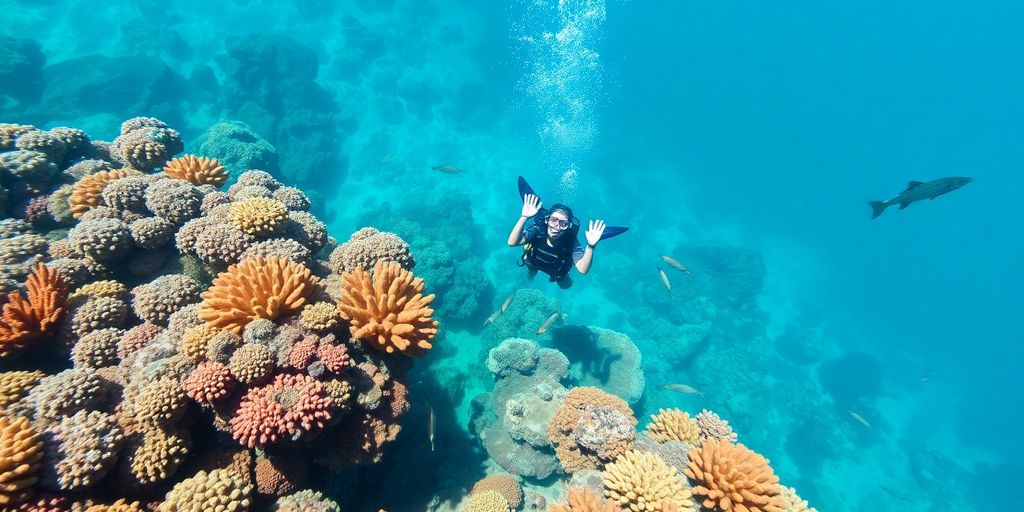
When diving in Los Cabos, having well-maintained equipment is not just a preference, it's a necessity. Dive shops in the area make it a priority to ensure their equipment is in top-notch condition. This means regular checks and maintenance routines are in place to keep everything safe and functional. Whether you're renting or bringing your own gear, double-checking everything before heading into the water is a good habit.
Emergency Response Services
In the unlikely event of an emergency, Los Cabos is well-prepared. Emergency Medical Services (EMS) can reach dive sites quickly, often within about 10 minutes. This rapid response time can be crucial when dealing with diving-related incidents. It’s reassuring to know that help is not far away when you’re exploring the underwater wonders.
Role of Hyperbaric Chambers
Hyperbaric chambers play a critical role in diving safety, especially if decompression sickness occurs. In Los Cabos, there’s a conveniently located hyperbaric chamber just 1.5 miles from the waterfront, making it easily accessible in case of need. This facility is vital for treating divers who might experience pressure-related injuries, ensuring that you can dive with peace of mind knowing that medical assistance is readily available.
Diving Gear Essentials for Los Cabos
Recommended Wetsuits and Fins
When you're gearing up for a dive in Los Cabos, choosing the right wetsuit is crucial. Water temperatures here can vary, so it's best to be prepared. Generally, a 5mm to 7mm wetsuit is ideal for diving between December and July. For the warmer months, from August to November, a 3mm to 5mm wetsuit should suffice. Remember, thicker wetsuits increase buoyancy, so you'll need to adjust your weights accordingly.
Fins are another essential piece of gear. It's often recommended to bring your own to avoid the discomfort of ill-fitting rental fins. Open-heel fins are a popular choice, especially if you're wearing booties, as they offer a more comfortable fit and better control in strong currents, like those at Gordo Banks.
Choosing the Right BCD and Regulator
While many dive centers in Cabo San Lucas offer quality gear for rent, some divers prefer the comfort of their own equipment. A well-fitted BCD (Buoyancy Control Device) and a reliable regulator are key to a safe dive. If you're concerned about hygiene, consider bringing your own mouthpiece or reusable zip ties to minimize plastic waste.
Additional Safety Gear to Consider
Safety should always be a top priority when diving. Alongside your primary gear, consider investing in additional safety equipment:
- Dive Computer: Helps you track your depth and time underwater, ensuring you stay within safe limits.
- Surface Marker Buoy (SMB): Essential for signaling your position to the boat or other divers.
- Signaling Devices: Whistles or mirrors can be life-saving in emergencies.
"Being prepared with the right gear not only enhances your diving experience but also ensures your safety underwater."
Bringing a dive light can also enhance your underwater adventure, especially for spotting hidden marine life in crevices or during dives with low visibility. While cameras like GoPros are great, a dive light will improve the quality of your photos by compensating for low light conditions at greater depths.
For those planning a trip, it's wise to prepare for your arrival at Cabo Airport to ensure a smooth transition into your diving adventure.
Best Diving Spots in Los Cabos
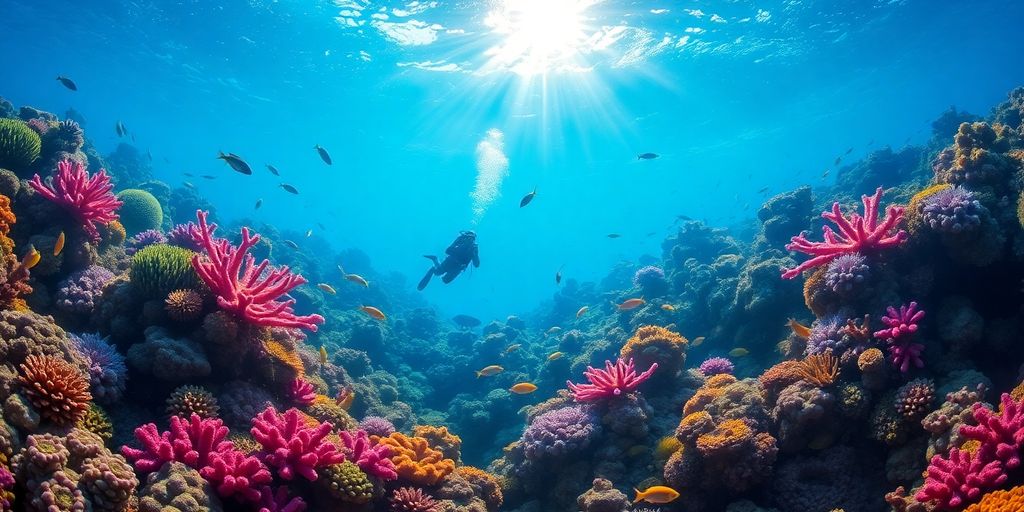
Cabo San Lucas Marine Park is a must-visit for any diver heading to Los Cabos. Just a quick 10-minute boat ride from the marina, this spot offers an array of dive sites like Pelican Rock and Neptune's Finger. The depths here range from 15 to 130 feet, making it accessible for divers of all experience levels. You can expect to encounter a variety of marine life, including cownose rays, sea lions, and even the occasional whitetip reef shark.
Diving at Gordo Banks
For the more adventurous, Gordo Banks is a thrilling dive site located about 29 miles offshore. This site is best suited for experienced divers due to its depth, which ranges from 100 to 130 feet. It's known for its seamounts and the large pelagic species that frequent the area. Think of hammerhead sharks and massive schools of fish. If you're up for the challenge, this spot is definitely worth the 1.5-hour boat ride.
Exploring Cabo Pulmo National Park
Cabo Pulmo National Park is a UNESCO World Heritage site and a true gem for divers. Home to one of the oldest living reefs in North America, this park offers an incredible array of biodiversity. You might see everything from colorful coral gardens to massive schools of jackfish. The park is a bit of a drive from Cabo San Lucas, but the pristine diving conditions make it well worth the trip.
Los Cabos offers a diverse range of diving experiences, from easy reef dives in protected bays to challenging offshore adventures. Whether you're a seasoned diver or just starting out, there's something here for everyone.
Marine Life and Biodiversity in Los Cabos
Encountering Sharks and Rays
Los Cabos is like a bustling marine highway where you can spot some of the ocean's most fascinating creatures. Hammerhead sharks and mobula rays are regular visitors, often seen gliding gracefully through the waters. These majestic animals use the sea mounts as meeting points, making Los Cabos a thrilling spot for those eager to witness marine giants in their natural habitat. It's not uncommon to see schools of mobula rays leaping out of the water, a spectacular sight for any diver.
Seasonal Marine Life Highlights
The waters around Los Cabos are teeming with life, changing with the seasons to offer something new every time you dive. From December to April, humpback whales migrate through these waters, treating divers to the incredible spectacle of breaching whales. During the summer months, the warm waters attract different species like sea turtles, which can be seen nesting along the beaches. Each season brings its own unique set of marine visitors, ensuring that no two dives are ever the same.
Conservation Efforts in the Region
Los Cabos is not just about observing marine life; it's also about protecting it. The area is home to Cabo Pulmo, a national marine park known for its successful conservation efforts. This 20,000-year-old coral reef supports over 800 species, including turtles and manta rays, showcasing what effective protection can achieve. Local initiatives focus on preserving these delicate ecosystems, ensuring that future generations can enjoy the same rich biodiversity. The commitment to conservation here is a reminder that with the right efforts, we can help maintain the beauty and health of our oceans.
In Los Cabos, every dive is a chance to explore a vibrant underwater world, where the dance of marine life is a testament to the ocean's incredible diversity.
Planning Your Diving Itinerary in Los Cabos
Sample 7-Day Diving Itinerary
Creating a diving itinerary in Los Cabos can be as exciting as the dives themselves. Here's a sample plan to help you make the most of your underwater adventure:
- Days 1-3: Start your journey by exploring the Cabo San Lucas Marine Park and The Corridor. With over 15 dive spots, these areas offer a gentle introduction to the vibrant marine life of the Sea of Cortez.
- Day 4: Venture to Gordo Banks for a thrilling encounter with hammerhead sharks and witness the mesmerizing underwater sandfall.
- Day 5: Take a well-deserved break. Explore Cabo on land - whether it's horseback riding, hiking, or simply lounging on the beach.
- Day 6: Dive into the wonders of Cabo Pulmo National Park, home to thriving coral reefs and diverse marine life.
- Day 7: Head to La Paz for a chance to swim alongside the gentle giants of the sea, the whale shark encounterss. Wrap up your trip with a sea safari.
Balancing Diving and Leisure Activities
Balancing diving with leisure activities is key to a fulfilling trip. While diving is exhilarating, don't miss the chance to explore the beauty of Cabo on land. Plan rest days to recharge and enjoy activities like hiking or beach lounging.
Tips for First-Time Visitors
- Check the Season: Wildlife and water conditions vary, so plan your visit according to the best diving seasons.
- Gear Up: You can rent gear locally, but if you prefer your own, make sure to pack everything you need.
- Stay Flexible: Weather can be unpredictable, so have alternative plans in case of changes.
Diving in Los Cabos is more than just an adventure; it's a chance to immerse yourself in a world of natural beauty and wonder. Whether you're a seasoned diver or a first-timer, the memories you'll make here are bound to be unforgettable.
Wrapping Up Your Diving Adventure in Los Cabos
So, there you have it! Diving in Los Cabos is like opening a treasure chest of underwater wonders. Sure, it might not be the cheapest spot out there, but the encounters with sharks, whales, and playful sea lions make it worth every penny. Plus, with affordable living costs in pesos, you can enjoy great food and comfy places to stay without breaking the bank. Whether you're a newbie or a seasoned diver, Cabo's got something for everyone. Just remember, investing in diving insurance is a smart move to keep your adventures worry-free. So pack your gear, maybe bring your own fins if you're picky, and get ready for an unforgettable dive into the vibrant marine life of Cabo. Happy diving!
Frequently Asked Questions
Do I need special insurance for diving in Los Cabos?
Yes, it's important to have diving insurance when diving in Los Cabos. Regular travel insurance might not cover diving accidents, so consider specialized plans like those from Divers Alert Network (DAN) or Dive Assure.
How much does it cost to go diving in Los Cabos?
The cost varies, but a double tank dive with equipment rental usually ranges from $120 to $150 USD. A full PADI Open Water Course can cost between $550 to $700 USD.
What kind of wetsuit should I wear for diving in Los Cabos?
A 5mm to 7mm wetsuit is recommended from December to July, while a 3mm to 5mm wetsuit is suitable for August to November. Water temperatures can vary, so it's best to be prepared.
Are there any special safety measures in place for divers in Los Cabos?
Yes, Los Cabos has well-maintained diving equipment available for rent and emergency services that can reach dive sites quickly. There is also a hyperbaric chamber nearby for emergencies.
What marine life can I expect to see while diving in Los Cabos?
Los Cabos is home to a variety of marine life, including sharks, rays, sea lions, and even whales during certain seasons. The biodiversity makes for an exciting diving experience.
Is it better to rent or bring my own diving equipment to Los Cabos?
Many dive shops in Los Cabos offer quality equipment for rent. However, if you prefer using your own gear, make sure to bring everything you need for a comfortable dive.
Plan Your Cabo Trip With Us
Let our local experts help you plan the perfect Cabo vacation with villas, yachts, adventures, and dining reservations.
Start PlanningStay in the Loop
Get the latest Cabo travel tips and exclusive deals delivered to your inbox.