
How Much Does Diving Cost in Cabo 2026? Your Ultimate Underwater Budget Guide
Hola, Underwater Enthusiasts! Diving into Cabo's Underwater World in 2026
Welcome to Cabo San Lucas, where the desert meets the sea, and beneath the shimmering surface lies a vibrant, breathtaking world waiting to be explored. If you're pondering a trip to our beautiful peninsula in 2026 and wondering, "how much does diving cost in Cabo 2026?", you've come to the right place. Our team at cabo.la, your local experts, are here to guide you through everything you need to know to budget for an unforgettable scuba diving adventure.
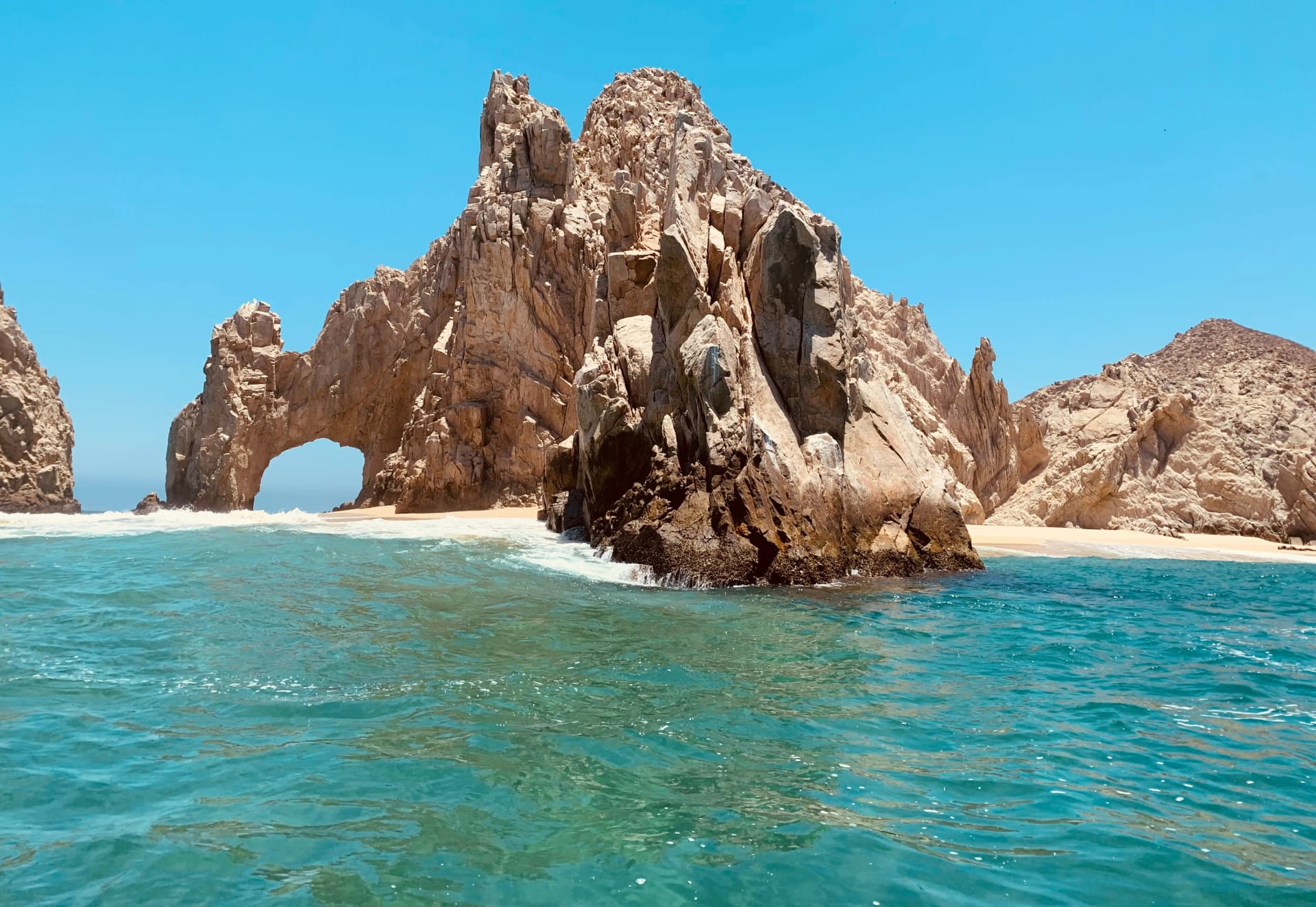
Cabo San Lucas is nestled at the southern tip of the Baja California Sur peninsula, where the Pacific Ocean gracefully merges with the Sea of Cortez. This unique confluence of waters creates an incredibly rich marine ecosystem, famously dubbed "the aquarium of the world" by Jacques Cousteau himself. From colorful reef fish to majestic pelagic creatures, the underwater landscape here is teeming with life, making it a premier destination for divers of all levels.
Whether you're a seasoned diver eager to explore new depths, or a curious beginner looking to take your first breath underwater, Cabo offers a spectrum of diving experiences. The cost of these experiences can vary widely based on factors like your certification level, the type of dive you choose, equipment rental needs, and the specific dive operator. We'll break down the typical expenses you can expect in 2026, ensuring you can plan your budget with confidence.
From introductory dives perfect for novices to advanced expeditions to remote banks, we'll cover the costs associated with each. Rest assured, investing in a dive experience here means investing in memories that will last a lifetime, surrounded by the unparalleled beauty of the Sea of Cortez.
Understanding Diving Costs in Cabo 2026: A Detailed Breakdown
When planning your diving budget for Cabo in 2026, it's important to consider various components. Here's a comprehensive look at the typical costs associated with different types of diving, courses, and additional expenses.
Introductory Dives (Discover Scuba Diving - DSD)
For those who are not yet certified but dream of experiencing the underwater world, a Discover Scuba Diving (DSD) program is your gateway. This typically includes a brief theoretical introduction, shallow water practice, and a supervised open water dive with an instructor. It's a fantastic way to try diving without committing to a full certification course.
- Average Cost: Expect to pay anywhere from $120 to $180 USD per person for a DSD experience. This usually includes all necessary gear rental, instruction, and a single dive. Some operators might offer a two-tank DSD for slightly more, around $180-$250 USD.
- Popular Sites: These dives often take place at calm, shallow sites like Pelican Rock near Land's End or Santa Maria Beach, offering excellent visibility and abundant marine life for beginners.
Certified Fun Dives (Two-Tank Boat Dives)
If you're already a certified diver, the world (or rather, the ocean) is your oyster! Most certified dives in Cabo are offered as two-tank boat trips, allowing you to explore different sites in one outing.
- Average Cost: For a two-tank boat dive, expect to budget $100 to $150 USD per person. This typically includes tanks, weights, and a certified dive guide.
- Equipment Rental: Most operators charge extra for full equipment rental (BCD, regulator, wetsuit, mask, fins). This usually ranges from $25 to $40 USD per day. If you bring your own gear, you'll save on this cost.
- Dive Sites: Popular spots include the famous Sand Falls, Pelican Rock, Neptune's Finger, and the local reefs teeming with tropical fish, sea lions, and rays. For more experienced divers, deeper sites along the Corridor offer thrilling encounters.
PADI Certification Courses
Ready to become a certified diver? Cabo is an excellent place to get your PADI certification, with warm waters and professional instructors.
- PADI Open Water Diver Course: This full certification course typically takes 3-4 days and includes classroom theory, confined water (pool) training, and four open water dives.
Average Cost: Budget between $450 and $650 USD. This price usually covers all course materials, instruction, equipment rental for the duration of the course, and certification fees. - PADI Advanced Open Water Diver Course: If you're already Open Water certified and want to expand your skills, this 2-day course includes five adventure dives (e.g., deep dive, navigation, night dive, wreck dive).
Average Cost: Expect to pay $350 to $500 USD, usually including instruction, tanks, weights, and certification. Equipment rental might be an additional cost if not specified. - Specialty Courses (e.g., Nitrox, Wreck, Deep Diver): These courses vary in duration and cost, generally ranging from $150 to $350 USD per specialty, plus any required dives.
Specialty Dives & Advanced Expeditions
For divers seeking unique experiences, Cabo offers several specialty dives and longer expeditions.
- Night Dives: Explore the nocturnal marine life when different creatures emerge.
Average Cost: $120 to $180 USD, including a dive light and guide. - Nitrox Dives: For longer bottom times and shorter surface intervals, Nitrox (enriched air) is popular.
Average Cost: An additional $10 to $20 USD per tank, on top of the regular dive price. - Gordo Banks Expedition: This advanced, full-day trip takes you further offshore to a seamount known for large pelagics like hammerhead sharks, silky sharks, and mobula rays. It's a truly exhilarating experience for experienced divers.
Average Cost: These expeditions typically cost $200 to $350+ USD, often including 2-3 tanks, a longer boat ride, and sometimes lunch. - Cabo Pulmo National Marine Park: Located on the East Cape, about a 1.5-2 hour drive from Cabo San Lucas, Cabo Pulmo is a UNESCO World Heritage site and home to the only living coral reef in North America. It's an absolute must-do for any diver visiting the region.
Average Cost: A full-day trip, including round-trip transportation from Cabo San Lucas, 2-3 dives, park fees, and sometimes lunch, can range from $250 to $400 USD per person. Our team can help arrange private transportation to make this trip seamless.
Equipment Rental
While many certified divers prefer to bring their own gear, renting is a convenient option. As mentioned, a full set of gear typically costs $25-$40 USD per day. Individual items can also be rented:
- Mask, Fins, Snorkel: $10-$15 USD
- Wetsuit: $10-$15 USD
- BCD (Buoyancy Control Device): $15-$20 USD
- Regulator: $15-$20 USD
Professional Photography & Videography
Capture your incredible underwater moments with professional photos or videos. Many dive operators offer these services.
- Average Cost: Packages typically start from $50 and can go up to $150+ USD, depending on the duration and deliverables.
Gratuities
It's customary to tip your dive guides and boat crew in Cabo, just as you would for other service industries. A standard gratuity is 10-20% of the total dive cost, depending on the quality of service.
Practical Tips & Insider Knowledge for Diving in Cabo 2026
Our local team at cabo.la wants to ensure your diving experience is nothing short of spectacular. Here are some insider tips to make the most of your underwater adventure:
Best Time to Dive in Cabo
Cabo offers excellent diving year-round, but specific seasons are better for certain experiences:
- Visibility: Generally, visibility is best from July to December, with warm water temperatures (80-85°F / 27-29°C) and calm conditions.
- Whale Sharks: The gentle giants visit the waters near La Paz (a day trip from Cabo) from October to March.
- Manta Rays and Pelagics: Summer and early fall (June to November) are prime for encountering larger pelagic species, including mobula rays, hammerheads, and even whale sharks.
- Humpback Whales: While not a dive interaction, humpback whales are abundant from December to April, and you'll often hear their songs underwater.
Choosing a Reputable Dive Operator
Safety is paramount when diving. Always choose a PADI or SSI certified dive center with a strong safety record, well-maintained equipment, and experienced, multilingual guides. Don't hesitate to ask about their safety protocols, emergency procedures, and equipment maintenance schedules. Our luxury concierge services can connect you with the most reputable and safe operators in the region.
Health and Safety Considerations
Before diving, you'll need to fill out a medical questionnaire. If you have any pre-existing conditions, consult with your doctor before your trip. Remember the golden rule: wait at least 18-24 hours after your last dive before flying, especially after multiple dives.
What Marine Life to Expect
The Sea of Cortez is incredibly diverse. During your dives in Cabo San Lucas, you can expect to see:
- Playful sea lions (especially around Land's End)
- Vibrant tropical fish like parrotfish, angelfish, surgeonfish
- Moray eels, stingrays, and eagle rays
- Sea turtles (green, hawksbill, loggerhead)
- Occasional reef sharks, and if you're lucky on offshore trips, hammerheads
- Unique geological formations like the Sand Falls
Embrace Conservation
We are passionate about preserving Cabo's pristine marine environment. Always practice responsible diving: maintain buoyancy, avoid touching coral or marine life, and never remove anything from the ocean. Many dive operators also participate in local conservation efforts.
Planning and Booking Your Cabo Diving Adventure
To ensure you get the best experience and secure your preferred dates, especially during peak season (November to April), we highly recommend booking your diving excursions in advance. When considering a dive package, look for clear inclusions and exclusions, and don't be afraid to ask questions.
At cabo.la, we specialize in crafting bespoke luxury vacations, and that includes exhilarating Cabo adventures. Our team can assist you with everything from arranging your diving excursions with top-tier operators to finding the perfect luxury villa rental for your stay. Imagine returning from an incredible day of diving to your private oasis, perhaps with a gourmet meal prepared by a private chef, or unwinding by the pool with stunning ocean views.
Beyond diving, we can coordinate private boat charters for snorkeling or sunset cruises, arrange airport transfers, and make reservations at some of Cabo's best restaurants, like the iconic Sunset Monalisa for an unforgettable dining experience. Our goal is to handle every detail so you can focus on making memories.
For a truly seamless experience, don't hesitate to reach out to our dedicated concierge team. You can easily connect with us via WhatsApp at +52 624 244 6303 to discuss your diving aspirations and entire vacation itinerary.
Frequently Asked Questions
How much does a PADI Open Water certification cost in Cabo 2026?
In 2026, a PADI Open Water Diver course in Cabo San Lucas typically costs between $450 and $650 USD. This price generally includes all course materials, instruction, necessary equipment rental for the duration of the course, and your certification fees. It's a 3-4 day comprehensive program to get you fully certified.
Is Cabo good for beginner divers?
Absolutely! Cabo San Lucas is an excellent destination for beginner divers. The waters are generally calm, warm, and offer great visibility, especially in protected areas like Land's End and Santa Maria Cove. Many dive operators offer Discover Scuba Diving programs for uncertified individuals, allowing you to experience diving under direct supervision in shallow, beautiful environments.
What marine life can I expect to see while diving in Cabo?
Cabo's waters, where the Sea of Cortez meets the Pacific, are incredibly rich. Divers frequently encounter playful sea lions, a vibrant array of tropical fish including angelfish and parrotfish, various types of rays (stingrays, eagle rays, mobula rays), moray eels, and sea turtles. Depending on the season and dive site, you might also spot reef sharks, large pelagic fish, and even hear humpback whales during their migratory season.
Do I need to bring my own gear for diving in Cabo?
No, you do not need to bring your own gear. All reputable dive operators in Cabo San Lucas offer equipment rental. A full set of gear (BCD, regulator, wetsuit, mask, fins) typically costs an additional $25-$40 USD per day. If you have your own gear, bringing it can save you rental costs, but it's entirely optional.
Can I go diving in Cabo without certification?
Yes, you can! If you're not certified, you can participate in a Discover Scuba Diving (DSD) program. This allows you to experience scuba diving under the direct supervision of a certified instructor after a brief introduction to theory and skills. It's a safe and exciting way to try diving before committing to a full certification course.
When is the best time of year to dive in Cabo?
Cabo offers great diving year-round, but specific periods are ideal for certain conditions. For the warmest water (80-85°F) and best visibility, the months from July to December are generally preferred. If you're hoping to encounter whale sharks, October to March is the prime season, though these trips typically depart from La Paz. Humpback whales can be heard underwater from December to April.
The underwater world of Cabo San Lucas is truly a marvel, offering experiences that will captivate and inspire. From the vibrant reefs teeming with life to the dramatic underwater canyons, every dive is an adventure. We hope this guide has helped clarify how much diving costs in Cabo 2026, empowering you to plan your ultimate aquatic escape.
Ready to plunge into the Sea of Cortez? Let our expert concierge team at cabo.la take care of all the details, from booking your ideal dive excursions to arranging your luxury accommodations. Contact our team today via WhatsApp at +52 624 244 6303, and let's start planning your unforgettable Cabo diving adventure!
Book Unforgettable Adventures
From whale watching to ATV tours, explore the best activities and excursions that Cabo San Lucas has to offer.
Explore AdventuresStay in the Loop
Get the latest Cabo travel tips and exclusive deals delivered to your inbox.


