

Cabo Yacht Real Reviews: What You Need to Know

Thinking about getting a Cabo yacht? You're probably looking for some honest opinions, right? Well, you've come to the right place. We're diving into real experiences with these boats, covering everything from how they're built to what it's like to actually use one. This isn't some sales pitch; it's all about giving you the straight facts so you can make a good choice. Let's get into the nitty-gritty of cabo yacht real reviews.
Key Takeaways
- Cabo yachts have changed their hull designs over time, trying to handle rougher waters better.
- Engine rooms can be super tight, making maintenance a real headache.
- Electrical systems often fall short, especially with shore power and battery capacity.
- Cabin space and noise levels might not be what you expect, impacting comfort.
- Compared to other boats like Blackfin, Cabo yachts have different performance and design priorities.
Cabo Yacht Real Reviews: Design and Construction
Hull Design Evolution in Cabo Yachts
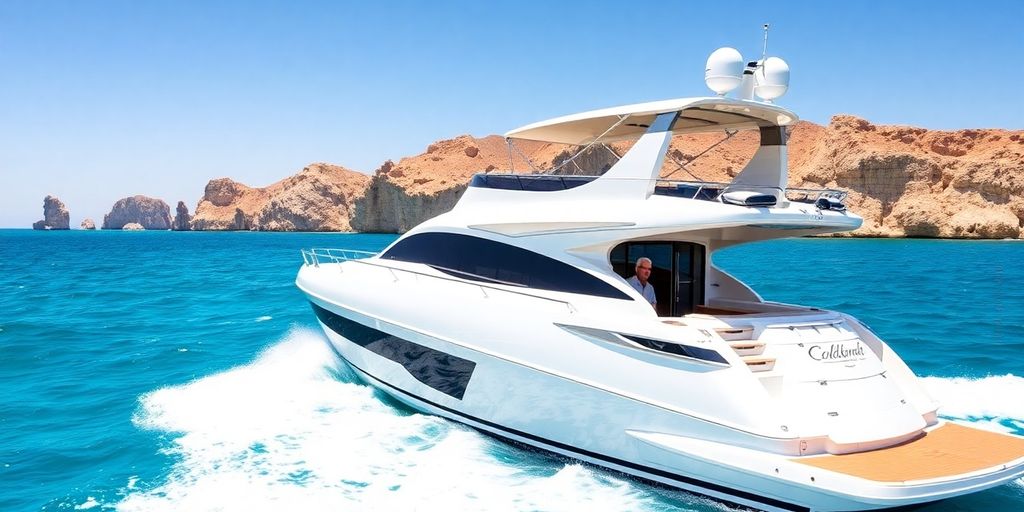
Cabo Yachts went through some changes over the years, especially when it came to their hull designs. Early models had flatter bottoms, which didn't handle rough waters very well. This was a problem, especially in areas like the Gulf of Mexico where choppy conditions are common.
- Early hulls were flat, leading to a rough ride.
- Later designs incorporated deeper hulls for better handling.
- The change aimed to improve performance in diverse sea conditions.
Modern Versus Traditional Yacht Aesthetics
Cabo Yachts definitely have a more modern look compared to some of their competitors. Think higher sides and a generally bigger feel. Some people like this because it gives you more interior space. Others prefer the sleeker, more traditional lines of boats like the Blackfin. It really comes down to personal taste.
Fiberglass Molding and Structural Integrity
Cabo uses modern fiberglass molding techniques. This means they can make larger parts in one piece, which reduces the number of screws and other fasteners needed. This can lead to a stronger and more durable boat. The epoxy resin construction is a key factor in the yacht's overall strength.
The fewer parts attached together, the better. Less connections means less potential for weak spots or leaks down the road. It's all about creating a solid, reliable structure that can withstand the rigors of being out on the water.
Cabo Yacht Real Reviews: Engine Room Accessibility
Challenges with Engine Placement
Okay, let's talk about the engine room. It's a tight squeeze, no doubt. The engine placement in some Cabo models can make routine checks and repairs a real headache. It's like they designed the boat and then just crammed the engines in wherever they could fit. I've heard stories of mechanics needing to be contortionists just to reach basic components. Not ideal, especially when you're out on the water and need to troubleshoot something quickly.
Maintenance Nightmares in Cabo Yachts
Engine maintenance? Get ready for a workout. Seriously, accessing things like filters, belts, and even just checking fluid levels can be a major operation. Here's what I've gathered:
- Limited space around the engines makes maneuvering difficult.
- Poorly positioned components require extra tools and time.
- Some models have access points that are downright awkward.
I remember one guy telling me he spent an entire afternoon just trying to change a fuel filter. He ended up with more grease on himself than in the engine room. It's those kinds of stories that make you think twice about routine maintenance.
Optimal Engine Choices for Space
Choosing the right engine can make a difference. I've heard that some owners have had better luck with certain engine configurations that allow for more space. For example, some say Cummins engines are a better fit than the V-8 Cats, offering a bit more breathing room. It's something to consider when you're looking at different models or thinking about repowering. It's all about making life easier when it comes to upkeep and repairs. And let's be honest, nobody wants to spend more time than necessary wrestling with an engine in a cramped space.
Cabo Yacht Real Reviews: Electrical System Shortcomings
Inadequate Shore Power for Cabo Yachts
One of the most common complaints about Cabo Yachts, especially older models, centers around their electrical systems, specifically the shore power setup. Many owners find the standard single 30-amp shore power connection to be woefully inadequate. When running multiple appliances – air conditioning, water heater, microwave, and battery charger – simultaneously, it's easy to trip dock breakers. This limitation can be a major inconvenience, especially when trying to enjoy all-inclusive resorts Cabo luxury villas.
To address this issue, owners often consider:
- Upgrading to a 50-amp service.
- Installing a second 30-amp line.
- Carefully managing power consumption to avoid overloading the system.
Battery Capacity Issues in Cabo Yachts
Another frequent gripe concerns the limited battery capacity in many Cabo Yachts. Supplying the boat with only two 90AH 12-volt batteries is often seen as insufficient, particularly given the power demands of modern marine electronics and appliances. The absence of a separate generator starting battery further exacerbates the problem. This can lead to dead batteries and starting problems, especially after extended periods at anchor or when running heavy electrical loads. Owners often find themselves needing to upgrade their battery banks to provide adequate power and reliability.
Helm Panel Leaks and Electrical Panel Protection
Water intrusion is a serious concern for any boat owner, and Cabo Yachts are not immune to this issue. A recurring problem reported by some owners is leaks in the helm panel that allow water to drip onto the main electrical panel. This can cause corrosion, short circuits, and other electrical problems. The lack of proper boxing or protection for the electrical panel makes it vulnerable to water damage. Addressing this issue requires sealing the helm panel and ensuring the electrical panel is adequately protected from moisture.
Properly protecting the electrical system is important. Regular inspections and maintenance are essential to prevent costly repairs and ensure the safety of the vessel and its occupants.
Cabo Yacht Real Reviews: Onboard Comfort and Features
Cabin Space and Headroom Considerations
Okay, so the cabin space... it's a mixed bag. While the headroom is pretty generous at 6'6", the overall layout might leave you wanting more. It's one of those things where the numbers look good on paper, but when you're actually moving around, it feels a bit cramped. The design doesn't always maximize the available area, which is a bummer. It's not terrible, but it's definitely something to consider if you plan on spending a lot of time inside.
Head Compartment Size and Functionality
Let's be real, the head compartment is small. Like, really small. Showering? Forget about it unless you're super flexible and don't mind bumping into things. The Blackfin 33 Combi, for example, gives you way more space in this area, and that makes a big difference for comfort. It's functional, sure, but it's definitely a corner that was cut. If a spacious head is important to you, this is a major drawback.
Foredeck Hatch Design and Airflow
The foredeck hatch situation is another area where Cabo seems to have skimped. There's only one hatch, and honestly, it's not enough, especially if you're boating in hot, humid climates.
Here's why more hatches would be better:
- Better airflow: More hatches mean better ventilation, which is crucial for keeping the cabin cool and comfortable.
- Redundancy: If the AC goes out (and it will, eventually), you'll be relying on natural ventilation. One hatch just doesn't cut it.
- Natural light: More hatches let in more natural light, making the cabin feel less claustrophobic.
Honestly, the single hatch feels like a cost-cutting measure that impacts comfort. It's not a deal-breaker, but it's definitely something to be aware of, especially if you're planning on boating in warmer regions. Consider bringing extra fans!
If you're planning a luxury yacht adventure in Cabo, make sure to check the ventilation system.
Cabo Yacht Real Reviews: Performance and Handling
Weight Distribution and Hull Performance
Okay, so let's talk about how these Cabo Yachts actually handle on the water. It's not just about looking pretty at the marina, right? The weight distribution plays a huge role, and honestly, some models feel a little off. You really notice it in choppy conditions.
- Some models tend to lean a bit, especially with a full load of fuel and passengers.
- The hull design, while improved over the years, still isn't the best for slicing through waves.
- Older models, in particular, can feel a bit unstable at higher speeds.
Engine Performance and Longevity
Engine choice is super important, and with Cabo Yachts, you've got options. But are they good options? That's the question. I've heard mixed reviews about the longevity of some of the engines they pair with these boats. Some people swear by them, others... not so much. It really depends on how well they're maintained, but here's the thing:
- Regular maintenance is absolutely key to keeping these engines running smoothly.
- Overpowering the boat can lead to premature engine wear and tear.
- Consider the fuel consumption – some engine options are real gas guzzlers.
Maneuverability and Steering Responsiveness
How easy is it to actually drive one of these things? Maneuvering around docks can be tricky, especially in tight spaces. The steering responsiveness varies from model to model, but overall, it's not the snappiest I've experienced. You definitely need to pay attention and be deliberate with your movements. If you are looking for top-notch service, you should consider Cabo Yacht Life.
Honestly, I've found that some of the older Cabo models require a bit more muscle to steer, especially at lower speeds. It's not a deal-breaker, but it's something to keep in mind if you're used to more modern, power-assisted systems. Plus, windage can be a real factor, making docking in windy conditions a bit of a challenge.
Cabo Yacht Real Reviews: Noise Levels and Insulation
Cockpit Noise During Operation
One thing I noticed right away was the noise level in the cockpit while the boat was running. It's definitely something to consider, especially if you're planning on long trips. The cockpit noise during operation can be quite high. I'm not sure if it's just the engine placement or the design of the hull, but it's noticeable. It's worth checking out yourself to see if it bothers you. I've seen some people add extra soundproofing, which might be something to look into.
Effectiveness of Engine Room Insulation
I've heard mixed reviews about the engine room insulation on these Cabo Yachts. Some people say it's adequate, while others claim it's practically non-existent. I think it really depends on the specific model and year. If you're sensitive to noise, it's definitely something to inspect closely. A good test is to run the engines and see how much noise bleeds into the cabin and cockpit. If it's excessive, you might want to factor in the cost of upgrading the insulation. Proper insulation is key to enjoying your time on the water, especially on longer voyages. You might want to consider these points:
- Check the thickness of the insulation material.
- Inspect for any gaps or tears in the insulation.
- Listen for noise levels in different areas of the boat while the engine is running.
Impact of Noise on User Experience
Noise levels can really impact your overall experience on a boat. It's not just about comfort; it can also affect your ability to communicate with others and enjoy the scenery. If you're planning on using your Cabo Yacht for fishing, the noise might scare away the fish. If you're using it for cruising, it can make it difficult to relax and enjoy the ride. It's all about finding a balance between performance and comfort. Consider the affordable luxury options available to enhance your experience.
Noise pollution on a boat can lead to fatigue and stress, diminishing the enjoyment of the boating experience. Addressing noise issues through proper insulation and engine maintenance is crucial for enhancing onboard comfort and overall satisfaction.
Cabo Yacht Real Reviews: Comparative Analysis
Cabo Versus Blackfin Yacht Designs
When you put a Cabo next to a Blackfin, you really start to see the differences. The Blackfin often has a more traditional, sleek look, while the Cabo tends to have a more modern, some might say 'bloated,' design. It's all about personal preference, but the design choices definitely impact the overall feel of the boat. The Cabo is clearly distinguished by the more modern fiberglass mold tooling and fewer fiberglass parts attached together with screws or other means, meaning that more of the boat is molded in one, larger piece such as the huge forward cockpit deck that includes all seating modules.
Performance Differences with Competitors
Cabo yachts have faced some criticism regarding their performance, especially in rougher waters. Early models, in particular, were noted for their flat-bottomed hulls, which didn't handle well in the conditions often found in the South Atlantic and Gulf of Mexico. However, it's been said that Cabo has since deepened their hulls to improve performance. It's worth considering how the hull design impacts the boat handling in different sea conditions.
Market Positioning and Sales Impact
Cabo used to really push the idea that their boats were top-of-the-line, but some people felt that the reality didn't quite match the hype. This led to a bit of a course correction in their marketing. Here's a quick look at how they stack up against the competition:
- Price Point: Generally positioned in the mid-to-high range.
- Target Audience: Aimed at serious sport fishing enthusiasts.
- Sales Impact: Initial designs struggled in some markets due to hull design.
It's important to remember that market perception and sales figures can be influenced by a variety of factors, including design choices, marketing strategies, and overall customer satisfaction. A boat's reputation can make or break its success in a competitive market.
Wrapping Things Up: Your Cabo Yacht Adventure Awaits
So, there you have it. Cabo yacht reviews, when you really dig into them, show a pretty clear picture. It's not just about picking a boat; it's about finding the right fit for what you want to do out on the water. Some folks love the speed, others are all about the comfort. You've got to weigh the good with the not-so-good, and figure out what matters most to you. Hopefully, this helps you make a good choice for your own Cabo adventure. Happy boating!
Frequently Asked Questions
How have Cabo Yacht hull designs changed over the years?
Cabo Yachts have made big changes to their hull shapes over time. Older models sometimes had flatter bottoms, which made for a rough ride in choppy water, especially in places like the Gulf of Mexico. Newer models have deeper hulls that handle waves much better.
What's the difference between old and new Cabo Yacht styles?
Cabo Yachts often have a more modern look with smoother lines and fewer separate parts. This means more of the boat is made as one big piece. Older boats, like some Blackfin models, might have a more classic, sleek fishing boat look.
Is it hard to work on the engines in Cabo Yachts?
The engine room in some Cabo Yachts can be very tight, making it hard to get to the engines for check-ups or fixes. For example, some models with certain engines have them packed in too closely, making it a challenge for mechanics to work.
Do Cabo Yachts have enough electrical power?
Some Cabo Yachts don't have enough power from the shore (like from a dock) or enough battery power. This can cause problems like tripping circuit breakers if you're running too many things at once, such as the air conditioning, water heater, and microwave.
Are Cabo Yachts comfortable inside?
While Cabo Yachts are generally good boats, some models have small head compartments, which means the bathroom area is cramped, especially for showering. Also, some foredeck hatches might not let in enough air, which can be an issue in hot, humid weather.
How do Cabo Yachts perform on the water?
Cabo Yachts are pretty good at handling the water, but they might not be as fast or smooth as some top competitors like the Blackfin. They are generally well-balanced and steer easily, even at slow speeds.
Plan Your Cabo Trip With Us
Let our local experts help you plan the perfect Cabo vacation with villas, yachts, adventures, and dining reservations.
Start PlanningStay in the Loop
Get the latest Cabo travel tips and exclusive deals delivered to your inbox.