
Back to Blog
Cabo Weather by Month: When to Go for Perfect Conditions
Isabella
Updated April 11, 202614 min read
Thinking about a trip to Cabo and wondering about the weather? It's a pretty common question, right? Cabo has this reputation for being sunny, and for the most part, it is. But just like anywhere, things change throughout the year. Knowing the general vibe of the cabo weather by month can really help you pick the perfect time to go, whether you're dreaming of soaking up the sun on the beach or maybe trying your luck at fishing. Let's break down what you can expect.
Key Takeaways
* Winter (December-February) offers mild temperatures and sunny skies, perfect for whale watching and enjoying the festive atmosphere. * Spring (March-May) brings pleasant warmth and clear days, ideal for exploring and the start of the fishing season. * Summer (June-August) heats up with higher temperatures and increasing humidity, making it great for water activities but requiring hydration. * Autumn (September-November) can see increased humidity and is part of hurricane season, though October and November offer cooling trends and popular fishing tournaments. * Water temperatures vary, with the Sea of Cortez being warmer than the Pacific, influencing the best times for swimming versus whale watching.Winter's Embrace: December to February
Winter in Cabo is less about snow and more about sunshine and pleasant breezes. If you're looking to escape the chill of colder climates, this is definitely your time to visit. The days are warm enough for the beach, but the evenings bring a nice, cool relief. It's a popular season for a reason, offering a comfortable escape.December: Festive Skies and Mild Temperatures
December kicks off the winter season with temperatures hovering around the low 80s Fahrenheit during the day. It's a fantastic time to be outdoors, whether you're lounging on the sand or exploring the town. The evenings do get a bit cooler, so packing a light jacket or sweater is a good idea. The holiday spirit is alive and well, with festive decorations and events popping up, especially around New Year's Eve. Expect spectacular fireworks over the water to ring in the new year, making it a memorable start to your trip. The dry season is in full swing, meaning clear skies are pretty much guaranteed.January: Whale Watching Wonders and Sunny Days
January continues the trend of wonderful weather. Highs are typically in the upper 70s to low 80s, and the sun shines brightly. This month is particularly famous for the start of the whale watching season. Humpback whales begin migrating to the warmer waters of the [Sea of Cortez](https://www.holiday-weather.com/los_cabos/averages/) to breed and calve. Taking a boat tour out to spot these magnificent creatures is a must-do activity. The water temperatures are cooler, dropping to around 70°F, which is still pleasant for some brave swimmers and ideal for fishing.February: Continued Comfort and Beach Bliss
February is much like January, offering consistently mild and sunny days. Temperatures remain comfortable, usually in the high 70s Fahrenheit. It's perfect beach weather, and the crowds are generally manageable before the spring break rush. The dry air and clear skies make it ideal for any outdoor adventures you have planned. You'll find the days are perfect for soaking up the sun, and the nights are cool enough to enjoy a nice dinner outdoors without breaking a sweat. It's a solid month for enjoying all that Cabo has to offer without extreme heat or humidity. > Winter offers a sweet spot for many visitors, balancing warm, sunny days with comfortable, cooler evenings. It's a time when the natural beauty of the region, from the ocean to the desert landscapes, is at its most inviting for exploration and relaxation.Spring's Awakening: March to May
Ah, spring in Cabo! This is when things really start to warm up after the cooler winter months, but before the intense summer heat kicks in. It’s a sweet spot, honestly, and a lot of people consider this the prime time to visit. The days get longer, the sun feels warmer on your skin, and the whole vibe just shifts to something a bit more lively.March: Pleasant Breezes and Spring Break Vibes
March is when Cabo really starts to buzz. You'll notice the temperatures climbing, usually hitting the low 80s Fahrenheit. It's still really comfortable, though, with a nice breeze coming off the ocean. This is also prime time for spring break, so if you're looking for a party atmosphere, you'll find it. The beaches are packed, the bars are lively, and there's just a general sense of fun in the air. It’s a great month for just soaking up the sun and enjoying the lively scene. * Average High Temperature: Around 80°F (27°C) * Water Temperature: Pleasant for swimming, often in the low 70s°F (around 22°C) * Rainfall: Very minimal, expect mostly clear skies. > The transition from winter to spring brings a noticeable shift in energy. While the winter months are fantastic for whale watching and cooler evenings, March offers that perfect blend of warm sunshine and vibrant activity, making it a top pick for many travelers.April: Clear Skies for Exploration
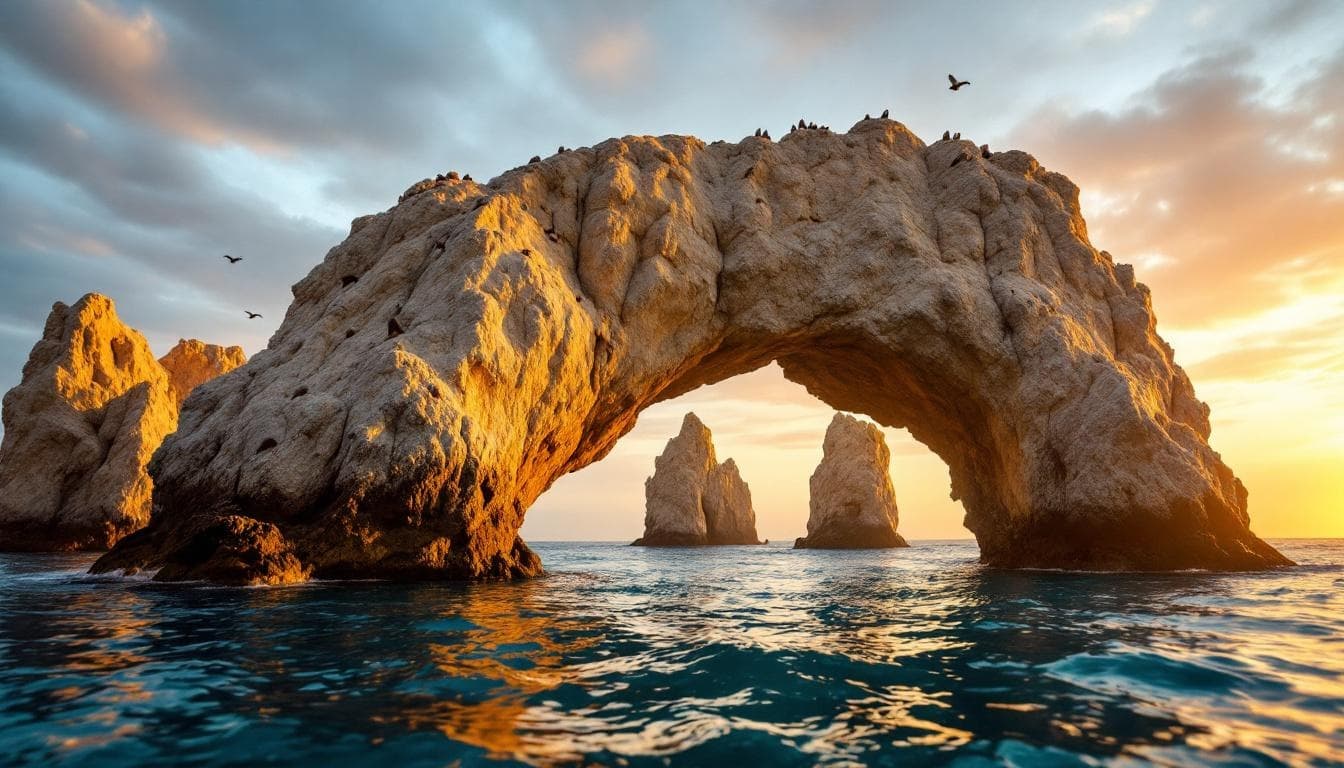
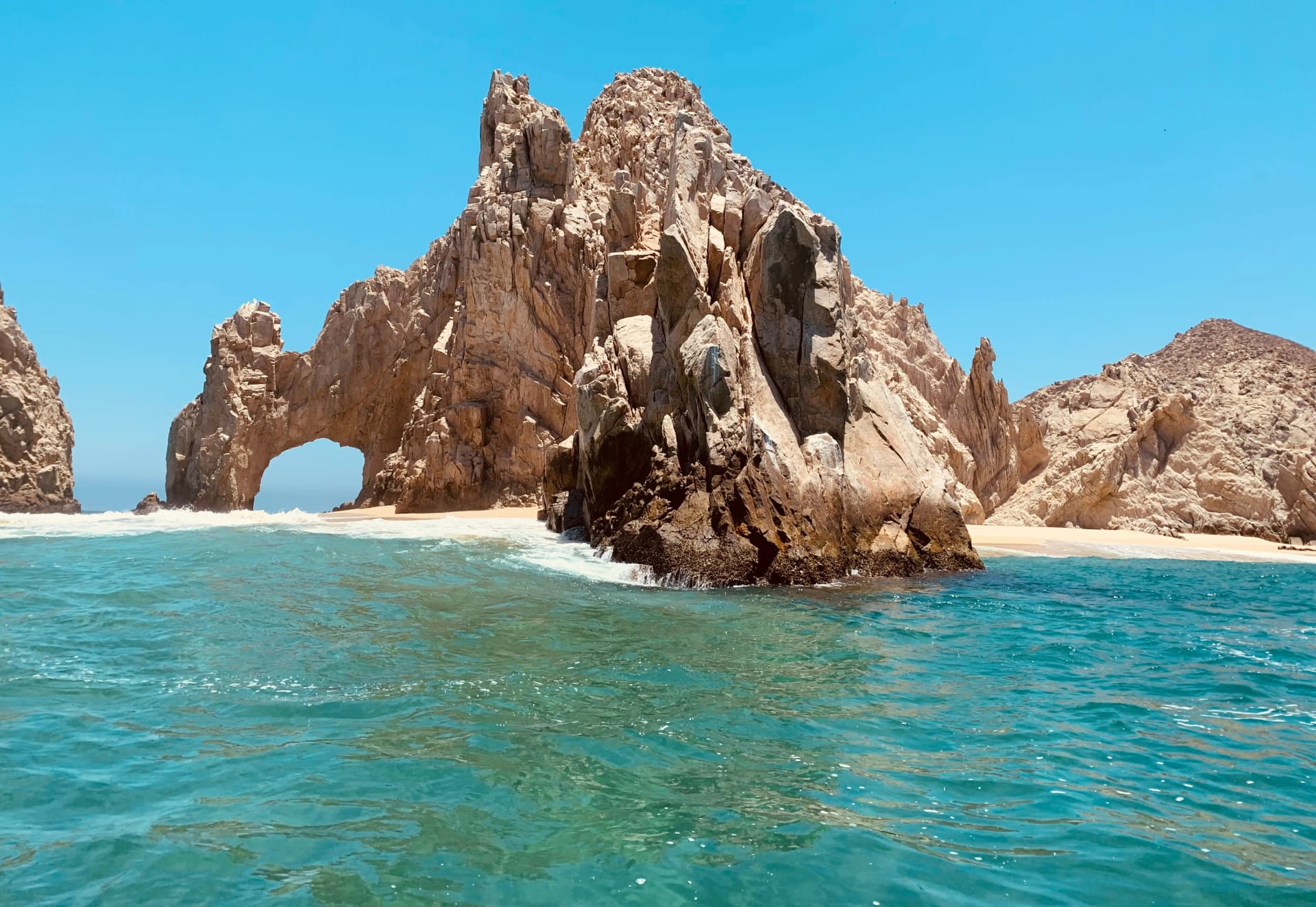
April is, in my opinion, one of the most beautiful months to be in Cabo. The spring break crowds have usually thinned out a bit, but the weather is just about perfect. We're talking consistently sunny days with very little chance of rain. The temperatures are usually in the low 80s Fahrenheit, making it ideal for all sorts of outdoor adventures. Whether you want to explore the coastline, go on a boat trip to see El Arco, or just spend your days lounging on the beach, April is a winner. The visibility in the water is also usually fantastic this time of year, which is great for snorkeling or diving. * Average High Temperature: Around 82°F (28°C) * Water Temperature: Still quite comfortable, hovering around the low 70s°F (around 22°C) * Activities: Excellent for boat tours, snorkeling, beach days, and exploring the town.May: Warming Sands and Fishing Season
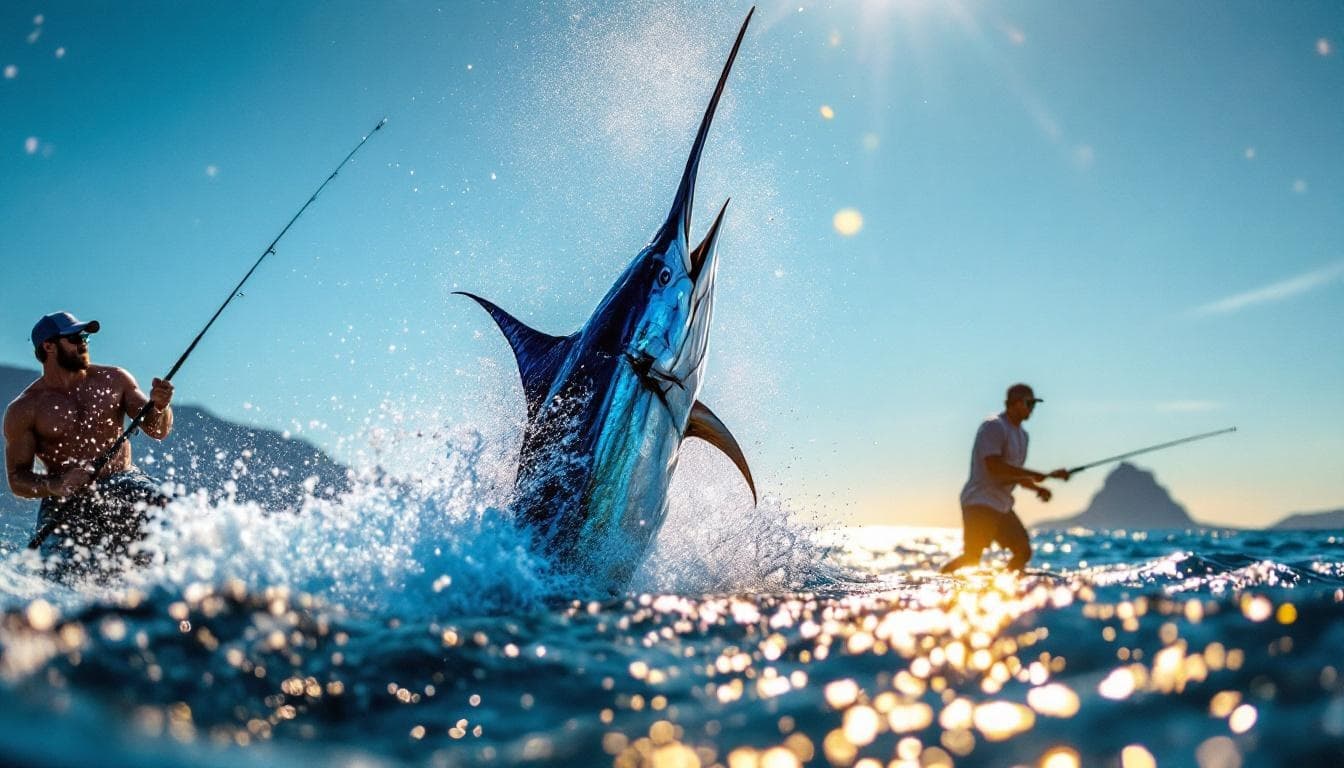
May is when you really start to feel the summer heat building, but it's not quite overwhelming yet. Highs can reach the mid-80s Fahrenheit, and it gets a bit more humid than in March or April. However, the ocean temperatures are warming up nicely, making it even more inviting for water activities. This is also when the sport fishing season really kicks into high gear. Anglers flock to Cabo in May hoping to catch marlin and other game fish. Even if fishing isn't your thing, the warmer weather makes it a fantastic time to hit the beaches and enjoy the longer daylight hours. Just remember to pack lighter clothing and stay hydrated! * Average High Temperature: Around 85°F (29°C) * Water Temperature: Warms up into the mid-70s°F (around 24°C) * Key Event: Start of peak sport fishing season.Summer's Heat: June to August
Get ready for some serious warmth when you visit Cabo between June and August. This is when the region really embraces its summer persona, bringing higher temperatures and a noticeable increase in humidity. It's definitely the time to pack your lightest clothes and plan your days around the water.June: Transition to Summer Warmth
June marks the official start of summer, and you'll feel it. The temperatures start to climb, usually hitting the high 80s Fahrenheit. Humidity begins to build, making the air feel a bit thicker than in the spring. It's a great month for water activities because the ocean starts to warm up nicely, making swimming and snorkeling really pleasant. This is when the water really starts to feel inviting for extended dips. Mornings are typically your best bet for outdoor adventures before the heat of the day really sets in.July: Hot Days and Humid Afternoons
July cranks up the heat, with daytime highs often reaching into the low 90s Fahrenheit. The humidity is definitely more present now, so you'll want to stay hydrated and seek out shade or air conditioning during the hottest parts of the day. Afternoons might bring some clouds, but don't expect much rain just yet. It's still a prime time for hitting the beaches and enjoying the ocean, but be prepared for that sticky feeling in the air.August: Peak Heat and Increased Humidity
August is typically the hottest month in Cabo, often seeing temperatures hover around the low 90s Fahrenheit, sometimes even a bit higher. The humidity levels are at their peak, making it feel quite warm. This is also when the chances of rain start to increase, though it's usually in the form of brief, often afternoon, showers rather than all-day downpours. Despite the heat, August is a popular time for fishing tournaments, so if you're into that, it could be a fun time to visit. Just remember to pack light, breathable clothing and drink plenty of water. > Traveling during these months means embracing the heat. Plan your activities for the cooler parts of the day, like early mornings or late afternoons. Staying hydrated is key, and don't forget plenty of sunscreen and a good hat. Here's a quick look at what to expect: * Temperatures: Expect highs in the high 80s to low 90s Fahrenheit. * Humidity: Noticeably higher, especially in July and August. * Activities: Ideal for beach time, swimming, snorkeling, and water sports. * Packing: Lightweight, moisture-wicking clothing, swimwear, sun protection, and a reusable water bottle are must-haves.Autumn's Arrival: September to November
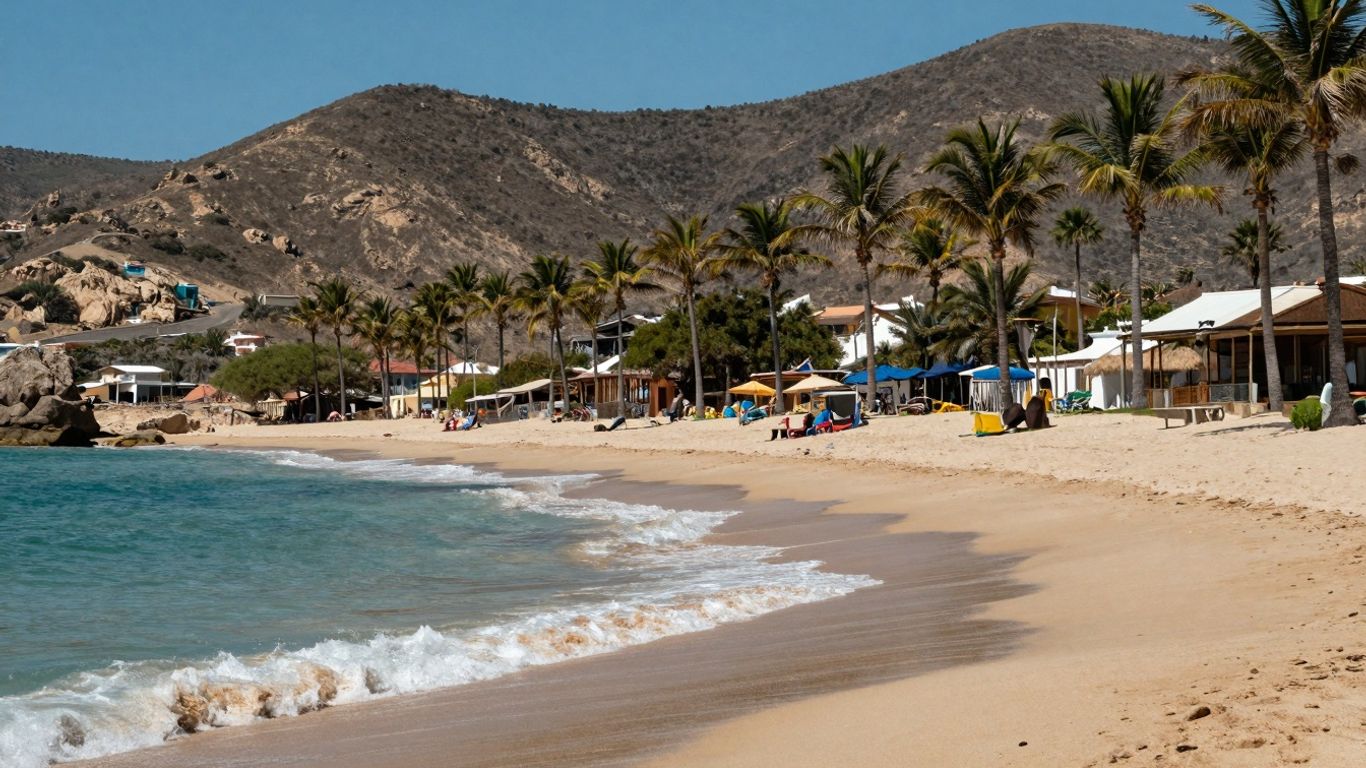 As summer's intense heat starts to fade, autumn rolls into Cabo, bringing a welcome shift in the weather. It's a time when the crowds thin out a bit, making it a great period for a more relaxed visit. You'll find the days are still plenty warm, perfect for soaking up the sun, but the evenings start to offer a bit of a cool down, which is really nice after a day out.September: Hurricane Season and Warmth
September is still very much in the thick of hurricane season, so while the temperatures are high, hovering in the low 90s Fahrenheit, so is the humidity. This means you can expect hot, sticky afternoons. It's not unheard of to get some heavy rain or even storms, so having flexible plans is a good idea if you're traveling this month. It's definitely a time to keep an eye on the local weather reports. Despite the potential for weather disruptions, the ocean is usually quite warm, which is a plus for any water activities you might have planned.October: Cooling Humidity and Fishing Tournaments
October usually sees a noticeable drop in humidity compared to September, making the warm temperatures, typically around the high 80s Fahrenheit, feel much more comfortable. This is a fantastic month for outdoor activities. The seas are still great for fishing, and it's a big month for anglers. The Bisbee's Los Cabos Offshore Fishing Tournament often takes place in October, drawing a lot of attention. The weather is generally quite pleasant, making it a good time to explore the town or enjoy a meal outdoors.November: Comfortable Evenings and Film Festivals
By November, Cabo really starts to hit its stride for comfortable autumn weather. Highs are usually in the mid-80s Fahrenheit, and the evenings become genuinely cool and pleasant, a welcome change from the summer heat. This makes it ideal for enjoying the nightlife or just a leisurely stroll. It's also the month when the Cabo San Lucas International Film Festival happens, adding a bit of cultural flair to the destination. This period is often considered one of the best times to visit, offering a great mix of warm days and cool, enjoyable evenings, perfect for [exploring the area](https://cabo.villalaestancia.com/blog/destination/why-autumn-is-the-best-time-to-visit-cabo-san-lucas). > Traveling in the fall means you're likely to catch some of the year's best weather after the peak summer heat and humidity have passed. It's a sweet spot for many visitors looking for that classic Cabo experience without the intense heat. Here's a quick look at what to expect: * September: High heat and humidity, peak hurricane season. Pack light, breathable clothing and stay updated on weather. * October: Humidity decreases, temperatures remain warm and pleasant. Great for fishing tournaments and outdoor dining. * November: Days are warm, evenings are comfortably cool. Ideal for festivals and relaxed exploration.Understanding Cabo's Water Temperatures
When you're planning a trip to Cabo, thinking about the water temperature is a pretty big deal, especially if you're dreaming of swimming, snorkeling, or just splashing around. The water here isn't the same all year round, and it actually varies quite a bit depending on where you are and what time of year it is. It's not just about air temperature; the ocean's warmth plays a huge role in what you can comfortably do.Seasonal Shifts in Sea of Cortez
The Sea of Cortez, often called the "Aquarium of the World," tends to be warmer than the Pacific side. During the summer months, from June through October, this body of water really heats up. You can expect temperatures to climb well above 80°F, making it feel like a giant, warm bath. This is prime time for anyone who loves being in the water for extended periods. Even into the fall, the Sea of Cortez holds onto its warmth for a while, though it starts to cool down gradually.Pacific Ocean's Cooler Embrace
Now, the Pacific Ocean side of Cabo is a different story. It's consistently cooler throughout the year. In the winter months, say from December to March, the Pacific can dip down into the high 60s or low 70s Fahrenheit. It's definitely refreshing, and while it might be a bit chilly for a long swim for some, it's perfect for activities where you're not constantly submerged. This cooler water is also a big draw for marine life, which is why it's prime time for whale watching tours.Best Months for Water Activities
So, when is the absolute best time to jump in? * Summer (June - October): If your main goal is swimming, snorkeling, or scuba diving in warm, inviting waters, this is your window. The Sea of Cortez is at its warmest, usually hovering around 80-85°F. It's ideal for spending hours exploring underwater. * Winter (December - March): While the air is pleasant, the water is cooler. This is fantastic for whale watching excursions, as the cooler temperatures attract the whales. If you're planning on fishing, this period is also excellent. * Shoulder Seasons (April-May & November): These months offer a nice middle ground. The water is still warm enough for comfortable swimming, especially in the Sea of Cortez, but it's not as intensely hot as mid-summer. November is a great time to check the [water temperature forecast](https://seatemperature.info/november/cabo-san-lucas-water-temperature.html) as it starts to cool but remains pleasant. > Remember that even within these general guidelines, microclimates and specific currents can cause slight variations. Always check local conditions if you have a specific water activity in mind. Here's a quick look at average water temperatures: | Month | Sea of Cortez (°F) | Pacific Ocean (°F) | | --- | --- | --- | | January | 70-72 | 68-70 | | April | 74-76 | 72-74 | | July | 82-85 | 78-80 | | October | 80-82 | 76-78 | | November | 76-78 | 74-76 |Navigating Cabo's Rainy and Hurricane Seasons
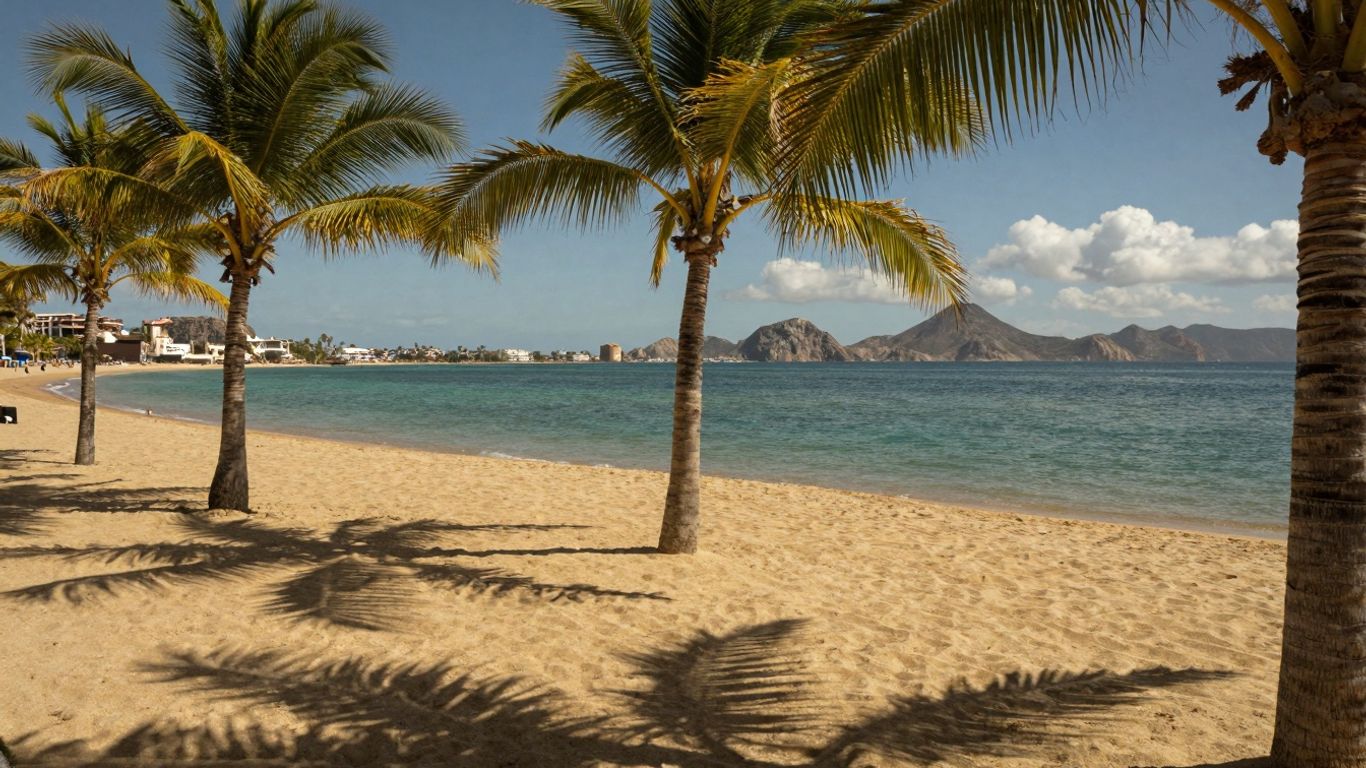 While Cabo is famous for its sunny skies and dry desert climate, it does have periods where you might encounter rain or stronger weather systems. Understanding these times can help you pack smart and plan your activities without a hitch.Hurricane Season Timeline
The official hurricane season for the Pacific coast of Mexico, including Cabo, runs from mid-May through November. The most active period is typically September and October. While this doesn't mean you'll definitely experience a hurricane, it's the time when the possibility is highest. Most years, the weather during this season brings more tropical rainstorms than full-blown hurricanes. It's always a good idea to keep an eye on the weather forecasts if you're traveling during these months. You can find up-to-date information on potential storms and advisories from official sources.Rainfall Patterns and Impact
Cabo doesn't get a lot of rain overall, averaging only about 12 days of precipitation per year. When it does rain, it's often in the form of afternoon or evening showers, especially during the late summer and fall months. These downpours can sometimes be heavy but usually don't last all day. Mornings are generally clear, so you can still plan your beach time or excursions. The increased humidity during these months can make the warm temperatures feel more intense, but it also means the ocean waters are at their warmest, which is great for swimming and water sports.Tips for Traveling During Stormy Periods
If you're planning a trip during the hurricane season or just want to be prepared: * Stay Informed: Keep up with local weather reports and forecasts. Many resorts and hotels have this information readily available. * Consider Travel Insurance: It's a smart move to have travel insurance that covers weather-related disruptions. This can protect you if flights are canceled or you need to change your plans. * Be Flexible: Have a few backup indoor activities in mind, just in case the weather doesn't cooperate for your outdoor plans. Think about visiting local art galleries, enjoying a spa day, or exploring the town's shops and restaurants. * Pack Accordingly: While light clothing is still key, consider bringing a light rain jacket or a small umbrella. Sunscreen and hats are always a must, no matter the season. > Traveling during the shoulder months of the hurricane season, like late October or early November, can sometimes offer a good balance. You might catch pleasant weather as the season winds down, with fewer crowds than the peak winter months. It's all about checking the forecasts closer to your travel dates and being ready for anything. Remember, even during these months, Cabo often experiences more sunshine than storms. Many visitors find the warm waters and lush landscapes after a rain shower quite beautiful. Just a little preparation goes a long way to ensure a fantastic trip. [Pacific hurricane season](https://travel.usnews.com/Cabo_San_Lucas_Mexico/When_To_Visit/) is something to be aware of, but not usually a reason to avoid visiting.So, When Should You Go to Cabo?
Alright, so we've gone through the weather month by month. It's pretty clear that Cabo San Lucas is a great spot pretty much all year, with over 300 sunny days. But knowing the temps, the water conditions, and when the rain or hurricane season hits can really help you pick the perfect time for your trip. Whether you're dreaming of fishing, snorkeling in Cabo, or just chilling by the pool, Cabo's weather can make it happen. Just pick the month that fits what you want to do, and get ready for some serious sunshine and clear skies.Book Unforgettable Adventures
From whale watching to ATV tours, explore the best activities and excursions that Cabo San Lucas has to offer.
Explore AdventuresStay in the Loop
Get the latest Cabo travel tips and exclusive deals delivered to your inbox.