

Beyond 'Hola': Mastering the Cabo Language & Essential Spanish Phrases for the Real Deal

The sun was already a molten orange, bleeding into the Pacific as I sat at the bar at El Farallon, nursing a glass of crisp Albariño. The waves crashed just meters below, a rhythmic percussion to the quiet hum of conversations around me. I’d just finished a plate of their grilled octopus, perfectly charred and tender, and was contemplating another when the waiter, a man named Miguel with eyes that held a thousand stories of the sea, approached. “¿Todo bien, señor?” he asked, a genuine warmth in his voice.
I could have just grunted “Good,” or given a thumbs-up, as many do. But I smiled, looked him in the eye, and replied, “Excelente, Miguel. De verdad, es el mejor pulpo que he comido en mucho tiempo. ¿Qué me recomienda para terminar la noche?” He paused, a flicker of surprise, then a wider, more genuine smile spread across his face. We talked for five minutes about local mezcal, about the fishing boats he used to work on, about the subtle art of finding a perfect sunset spot away from the crowds. It was a small interaction, but it transformed a transactional moment into a connection, a snippet of the real Cabo that often eludes those who stick strictly to the English-speaking bubble.
That’s the thing about Cabo. Sure, you can get by with English at the resorts, at the major tourist traps like Mango Deck where the tequila shots flow like water and the volume is perpetually set to eleven. But to truly unlock the magic, to peel back the layers of the polished veneer and taste the authentic soul of Baja California Sur, you need a little Spanish. Not fluent, no. But enough to show you’re trying, enough to bridge the gap, enough to make a local’s face light up with an appreciative smile. This isn't just about booking a yacht charter or ordering food; it's about respect, immersion, and getting the real deal.
Why Bother? The Unspoken Perks of the Cabo Language
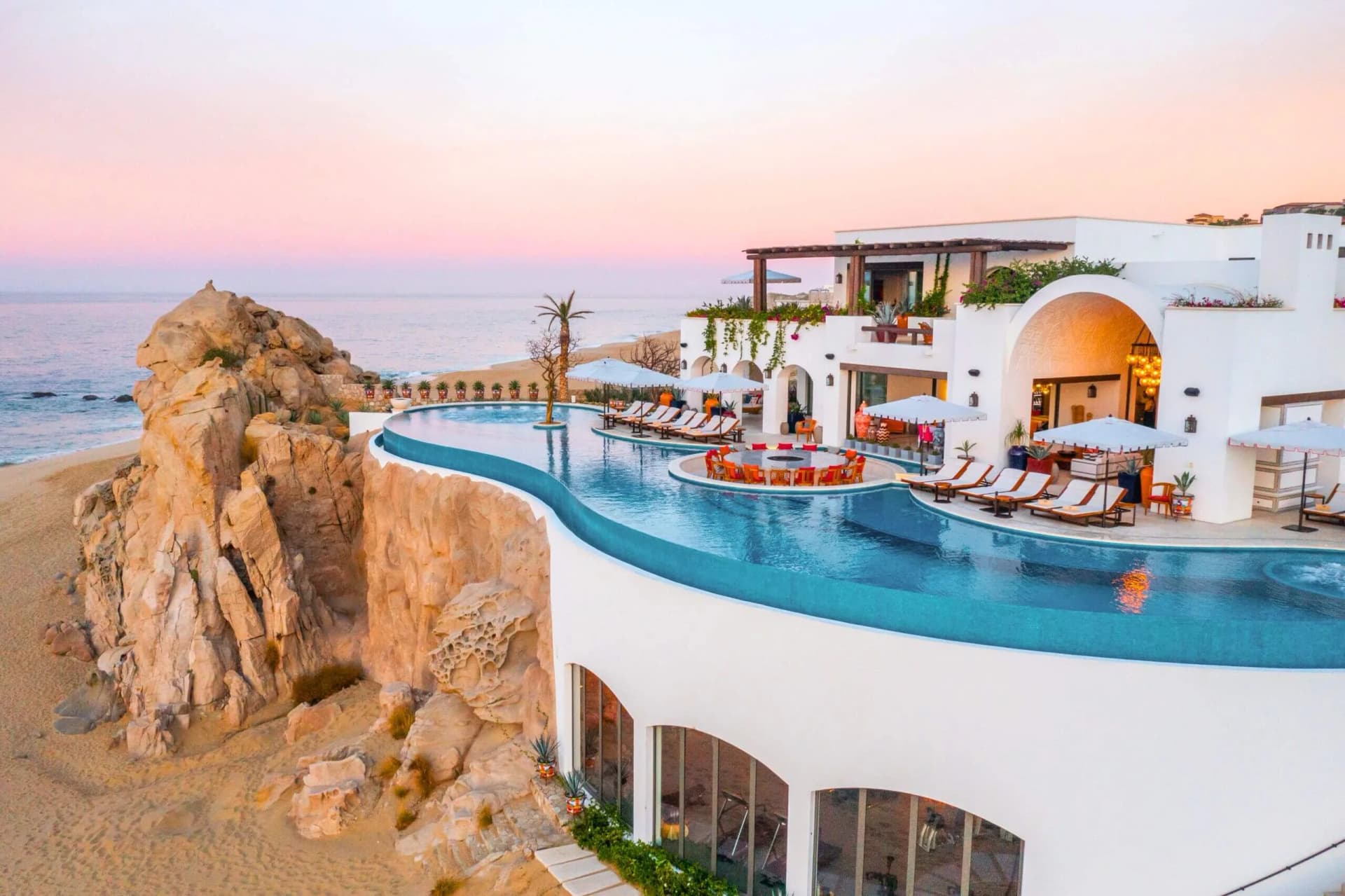
I’ve lived here for years, seen countless visitors come and go. The ones who leave with the richest stories aren't the ones who stayed in their opulent Villa Aurora (a magnificent 7-bedroom palace in Pedregal Pacific with marina views, going for around $3000/night, by the way) and only spoke to the concierge. It’s the ones who ventured out, stumbled through a few Spanish phrases, and found themselves invited for a shot of raicilla by a street vendor or offered a secret, unlisted dish at a tiny taqueria.
It’s not just about politeness; it’s practical. Trying to explain a specific dietary restriction, asking for a less-trafficked beach, or negotiating for a local artisan craft. While many locals in the tourist zones speak English, a little Spanish goes a long way, especially when you step even a block off the main drag. It's the difference between being a tourist and being a guest.
The Essentials: Greetings & Courtesy
This is your foundation. Start here. Master these, and you’re already ahead.
- Hola: Hello. (Obvious, but still your go-to.)
- Buenos días / Buenas tardes / Buenas noches: Good morning / Good afternoon / Good evening. Use these religiously. It’s more respectful than a generic “Hola” when entering a shop or restaurant.
- Por favor: Please. (Non-negotiable. Use it always.)
- Gracias: Thank you.
- De nada: You’re welcome.
- Con permiso: Excuse me (to pass through a crowd or interrupt politely).
- Perdón: Pardon me/Sorry (if you bump into someone).
- ¿Cómo está? / ¿Cómo estás?: How are you? (Formal/Informal). Use the formal with anyone you don't know well.
- Muy bien, gracias, ¿y usted?: Very good, thank you, and you? (Polite, keeps the conversation flowing.)
Imagine you’re checking into Casa Rio De Luna, a stunning 7-bedroom ocean-view villa in Cerro Colorado, around $2000/night. A simple “Buenos días” and “Gracias” to the staff can set a much warmer tone than just handing over your passport without a word. It’s the human touch.
Navigating the Culinary Scene: Food & Drink
Cabo’s food scene is a glorious tapestry, from the upscale delights of Nicksan Cabo with its innovative Japanese fusion to the humble street taco stands. Your taste buds will thank you for these phrases.
- La cuenta, por favor: The check, please. (Crucial, especially when you’re done with that incredible seafood at Torote Restaurant at Valle del Sol.)
- ¿Me puede traer...? / Quisiera...: Could you bring me...? / I would like... (Polite ways to order.)
- Agua (sin gas / con gas): Water (still / sparkling).
- Cerveza: Beer. (Specifically, try asking for a “Pacifico” or “Modelo,” – local favorites.)
- Vino tinto / blanco: Red / white wine.
- ¿Qué me recomienda?: What do you recommend? (Miguel’s favorite question, I assure you.)
- Soy vegetariano/a: I am vegetarian.
- No puedo comer (gluten/lactosa): I cannot eat (gluten/lactose).
- Está delicioso: It’s delicious. (A guaranteed smile-inducer for any chef or cook.)
- Un poco más / Menos picante: A little more / Less spicy. (Because sometimes, 'not spicy' still has a kick.)
Don't be afraid to ask about ingredients. At a place like Cayao, where Japanese precision meets local ingredients, understanding the menu descriptions can elevate your experience from good to unforgettable. And for god's sake, if you find yourself at a local spot, order the fish tacos. Just trust me.
Getting Around: Directions & Transport
Whether you’re heading to the marina to board the Luxury Catamaran Leopard 52ft for a day of snorkeling ($2200/day for 35 guests) or trying to find a specific art gallery in San José del Cabo, these will be invaluable.
- ¿Dónde está...?: Where is...?
- Aquí / Allí: Here / There.
- Izquierda / Derecha: Left / Right.
- Todo recto: Straight ahead.
- ¿Puedo ir caminando?: Can I walk there?
- ¿Cuánto cuesta?: How much does it cost? (Essential for taxis or bargaining at local markets.)
- Un taxi, por favor: A taxi, please.
Cabo isn't a small town. From Villa Mareas, a stunning 5-bedroom beachfront property in Cabo Bello at $1050/night, to the bustling downtown, you'll be covering ground. Don't rely solely on Google Maps; sometimes a friendly local pointing the way is far more reliable and a chance for a brief, genuine interaction.
Shopping & Transactions: Money Matters
While most places accept USD, paying in pesos (and knowing how to ask about prices) shows respect for the local economy and can sometimes even get you a better deal.
- ¿Cuánto cuesta?: How much does it cost? (Worth repeating!)
- ¿Puedo pagar con tarjeta?: Can I pay with a card?
- Solo efectivo: Cash only.
- Quisiera comprar esto: I would like to buy this.
- ¿Tiene cambio?: Do you have change?
This is particularly useful if you’re exploring the vibrant art scene or picking up souvenirs. A quick conversation at an artisan market can turn into a story, not just a purchase.
Insider Tips from a Local
- Pronunciation Matters, But Don't Overthink It: Don't obsess over perfect pronunciation. Locals appreciate the effort. Just try.
- The 'usted' vs. 'tú' Dilemma: When in doubt, use 'usted' (the formal 'you'). It's always safer and more respectful, especially with service staff or older individuals.
- Embrace the 'Siesta' Culture (Sort Of): While not a strict siesta, many smaller, authentic shops and restaurants might close mid-afternoon. Plan your day, especially if you're venturing to places like Todos Santos to check out Oystera.
- Don't Be Afraid to Practice: The best way to learn is to speak. Start with the easy ones, like greetings. You'll be surprised how quickly you pick things up.
- A Little Goes a Long Way: You don't need to be fluent. A few well-placed phrases can transform your interactions and open doors to experiences you wouldn't otherwise have. Think about how much better your day on the Lagoon 65ft Catamaran (a lavish $6500/day experience) could be if you could chat a bit with the crew beyond just pointing.
- Tipping: While 'propina' is the word for tip, simply leaving a tip on the table after saying 'Gracias' is perfectly acceptable and understood. Aim for 15-20% for good service.
Beyond the Phrases: Embracing the Culture
Learning a few essential Spanish phrases isn’t just about communication; it’s about cultural immersion. It's about respecting the place you're visiting and the people who call it home. It's about understanding that Cabo is more than just a party destination or a luxury escape; it’s a vibrant community with a rich history and a welcoming spirit.
From December to March, when the peak season brings out crowds (and prices are up to 40% higher), a little Spanish can help you navigate the bustling Marina. During whale watching season (Dec-Apr), chatting with your boat captain on a Yamaha 28ft can give you deeper insights into these magnificent creatures. Even during hurricane season (Aug-Oct), which mostly just means afternoon rain, a friendly exchange in Spanish can help you understand local conditions better.
So, the next time you find yourself in the stunning surroundings of Casa de las Palmas (5BR, Santa Carmela, mountain & garden views, $1235/night) or enjoying a brew at Baja Brewing Company in San José del Cabo, try a few words. You might just find yourself having the most memorable conversation of your trip. It's a small effort for a huge reward.
Ultimately, Cabo isn't just a destination; it’s an experience. And like any good experience, the more you put into it, the more you get out of it. A few well-placed Spanish words are your key to unlocking that deeper, richer, more authentic Cabo. Go forth, explore, and don't be afraid to sound a little silly. The locals will love you for it.
Plan Your Cabo Trip With Us
Let our local experts help you plan the perfect Cabo vacation with villas, yachts, adventures, and dining reservations.
Start PlanningStay in the Loop
Get the latest Cabo travel tips and exclusive deals delivered to your inbox.