

Back to Blog
Cabo Real Estate Market Predictions: 50% Growth by 2027
Isabella
Updated April 8, 202641 min read
So, I've been looking into what's happening with real estate down in Cabo, and it seems like things are really picking up. People are buying vacation homes, and lots of them are setting up permanent offices there too. It's not just about the beach anymore; it's about a whole lifestyle change, especially with more folks working remotely. This article is going to break down why the cabo real estate market is expected to see some serious growth in the next few years.
Key Takeaways
* Mexico's overall residential real estate market is projected for significant growth, with the Riviera Maya leading the charge, and this trend is expected to continue through 2030. * The rise of branded residences and the increasing number of ultra-high-net-worth individuals globally are fueling demand for luxury properties, including in popular Mexican destinations. * Remote work trends are a major driver, with people seeking resort-style living and the ability to create home offices, boosting demand for properties that offer lifestyle amenities. * Vacation homes are increasingly being purchased not just for personal use but also as income-generating assets through rentals, supported by a strong global rental market. * Major real estate firms are expanding their presence in Mexico's key markets, like Los Cabos, to cater to the growing demand and provide support for buyers and sellers.1\. Mexico's Residential Real Estate Market Growth
Mexico's residential real estate market is really doing well right now. It's a pretty big deal for the country's economy, making up about 6% of the GDP. Most people in Mexico actually own their homes outright, which is interesting. Like, around 69% of households owned their place in 2020, and a huge 87% of those owned homes were completely debt-free. That's a lot of financial stability right there. Over the last ten years, house prices have been steadily climbing. Just in the third quarter of 2023, average house prices went up by more than 10% compared to the year before. Even when you adjust for inflation, that's still a solid 5.5% increase. Mexico City, by the way, is the priciest place to buy a home in the country. > The market is seeing a significant boost from younger buyers, typically between 27 and 40 years old. This demographic is taking advantage of new remote work policies, allowing them to buy homes further from traditional work centers and in areas that better suit their lifestyle expectations. The concept of a 'home office' is really changing where people are choosing to live.Key Market Drivers
* Younger Homebuyers: A growing number of adults in their late twenties to early forties are entering the market, fueling demand. * Remote Work Adoption: Flexible work arrangements are allowing people to choose locations based on lifestyle rather than proximity to an office. * Rising Property Values: Consistent year-over-year increases in average house prices indicate a healthy and appreciating market.Market Growth Trends
| Year | Average House Price Increase (YoY) | Inflation-Adjusted Increase (YoY) | | --- | --- | --- | | 2022 | 10.41% | N/A | | Q3 2023 | Over 10% | 5.5% | It's pretty clear that the demand for housing is strong, and this trend seems set to continue. If you're thinking about property, it's a good time to look into places like Cabo, where you can find some amazing [luxury villas](https://cabo.la/blog/cabo-tour-real-reviews-what-you-need-to-know).2\. Branded Residences Surge
It seems like everywhere you look these days, there's talk about branded residences. And honestly, it makes sense. These places aren't just houses or apartments; they're a whole package deal. Think about it: you get the prestige of a well-known brand, like a fancy hotel chain or a designer name, combined with all the perks of a top-notch hotel. We're talking concierge services, amazing food, and places to relax and recharge. It’s like living in a five-star resort, but it’s your home. This blend of luxury living and brand recognition is really catching on, especially with people who have a lot of money to spend. These buyers aren't just looking for a place to live; they're investing in a lifestyle and the value that comes with a recognized name. It’s a smart move for them, really. They get the quality and service they expect, plus the potential for their property to hold its value or even increase over time. It’s a win-win situation. Mexico is actually doing pretty well in this area. It’s one of the top spots globally for these kinds of developments, and there are a lot more in the works. Places like Los Cabos, Mexico City, and the beach areas in Riviera Nayarit and the Caribbean are seeing a lot of this activity. It’s a big deal because it shows Mexico is becoming a major player in this luxury real estate market. The country has a lot going for it, like good connections to the U.S. and a strong tourism industry, which helps attract these kinds of investments. Plus, with big names like Conrad Hotels & Resorts planning new spots, it’s clear this trend is only going to keep growing. > The appeal of branded residences lies in their ability to offer a consistent, high-quality experience that combines home comforts with hotel-level services and amenities. This model appeals to buyers seeking convenience, prestige, and a lifestyle that reflects their success.3\. Ultra-High-Net-Worth Individual Trends
It’s not just about owning property anymore; it’s about owning a piece of a lifestyle. The folks with serious money are looking for more than just a place to stay. They’re investing in brands they trust and experiences that add long-term value to their lives. Think about it – why buy a regular condo when you can have one associated with a luxury hotel brand that offers top-notch service and amenities? This trend is really picking up steam. We're seeing a global uptick in the number of ultra-high-net-worth individuals (UHNWIs), and this group is driving a lot of the luxury real estate market. They're not just buying vacation homes; they're looking for properties that reflect their status and offer a certain quality of life. This often means properties in desirable locations, managed by reputable brands, and equipped with features that cater to a sophisticated clientele. It’s a big shift from just a few years ago. What are these high-net-worth buyers actually looking for? * Brand Association: Properties linked to well-known luxury brands often command higher prices and attract more interest. * Lifestyle Investment: Buyers are prioritizing properties that offer a specific lifestyle, whether it's access to golf courses, private beaches, or exclusive clubs. * Future Growth Potential: While lifestyle is key, these buyers are also savvy investors, looking for properties that are likely to appreciate in value over time. > The demand for properties that offer more than just shelter is growing. People want homes that are also investments in their well-being and social standing, often found in places like Cabo San Lucas, which offers a compelling alternative to other luxury destinations for those seeking a unique and memorable experience. This focus on brand and lifestyle is a major factor in the growth of branded residences. It’s a smart move for developers too, as it taps into a market segment that values quality, service, and exclusivity. For anyone looking to invest in the Cabo market, understanding these trends among the wealthiest buyers is pretty important. It helps explain why certain properties are in such high demand and why prices are what they are. It’s a whole different ballgame when you’re dealing with this level of investment, and it’s definitely shaping the future of luxury real estate. You can see how this ties into the broader appeal of places like [Cabo San Lucas](https://cabo.la/blog/why-smart-couples-choose-cabo-over-tuscany-for-destination-weddings) for destination events and luxury living.4\. Lifestyle and Brand Value Investment
It’s not just about having a roof over your head anymore, is it? People are really looking for a certain way of life when they buy property, especially in places like Cabo. This means that the lifestyle a place offers, and the brands associated with it, are becoming super important. Think about it – you're not just buying a condo; you're buying into a whole vibe, a community, and maybe even a status symbol. This shift is making branded residences a really hot commodity. These aren't your average homes. Branded residences are properties linked to well-known design or hospitality names, like Armani or even hotel chains. They come with hotel-level services and amenities, which is a big draw. Because of this, they can sell for a lot more than similar places without a brand name attached. We're talking premiums of 30% to 60% sometimes. It’s like getting a five-star hotel experience but in your own home. Mexico is actually a pretty big player in this market, ranking fourth globally for branded residences and third for those currently being built. The Riviera Maya, in particular, is expected to see massive growth in this area. Here’s a quick look at why this trend is taking off: * Prestige and Recognition: Owning a property associated with a luxury brand offers a certain level of status and recognition that many buyers desire. * Quality Assurance: Brands bring a reputation for quality and design, giving buyers confidence in their investment. * Enhanced Services: Access to hotel-like amenities, such as concierge services, fine dining, and wellness facilities, significantly boosts the living experience. * Investment Potential: The premium pricing and strong demand often translate into better rental yields and property appreciation. > The appeal of branded residences goes beyond just the physical structure. It’s about the entire package: the design, the services, the community, and the underlying brand promise. This holistic approach is what’s driving demand and commanding higher prices in markets like Cabo. This focus on lifestyle and brand is a key reason why places like Cabo continue to attract significant investment. It’s a smart move for developers to partner with strong brands, as it taps into a buyer pool that values more than just square footage. It’s about investing in an experience, and that’s a powerful selling point in today's real estate market. You can see this trend reflected in the growth of branded residences across Mexico, with places like [Los Cabos](https://mexiconewsdaily.com/real-estate/riviera-maya-mexico-growth-surge-branded-residences/) leading the charge.5\. Prioritizing Home Offices and Wellness
The Shift Towards Health and Productivity
It’s pretty clear that how we think about our homes has changed a lot, especially after the last few years. People aren't just looking for a place to sleep anymore; they want spaces that support their work and their well-being. This means that new homes, and even renovations, are really focusing on creating dedicated home offices that are functional and comfortable. Beyond just a desk and a chair, these spaces are designed to be productive environments. Think good lighting, maybe some soundproofing, and decent internet connections – the basics that make working from home actually work.Integrating Wellness Features
Alongside the home office trend, there's a big push for wellness features within residential properties. This isn't just about having a gym; it's about a more holistic approach to health. We're seeing more demand for things like: * Dedicated spaces for yoga or meditation * Better air filtration systems * Access to natural light and outdoor spaces like balconies or patios * Smart home technology that can help manage lighting and temperature for comfort and energy saving Developers are realizing that incorporating these elements can significantly increase a property's appeal and value. It’s about creating a sanctuary where people can live, work, and recharge, all under one roof. This focus on well-being is becoming a major selling point, especially in places like Los Cabos, which is becoming a premier global wellness destination. People are spending more on experiences that support their holistic well-being, and their homes are a big part of that.The Home Office as a Lifestyle Choice
For many, the home office isn't just a temporary setup; it's a permanent lifestyle change. This means that the location of a home is now often less about proximity to a physical office and more about the quality of life it offers. People are willing to move further out or to different regions if the property itself meets their needs for both work and leisure. This flexibility is a huge driver in the current real estate market, allowing individuals to choose locations that truly enhance their daily lives, whether that's near the beach or in a quiet, nature-filled setting. It’s a big change from the old way of thinking about commutes and office buildings.6\. Remote Workers Seeking Resort-Style Living
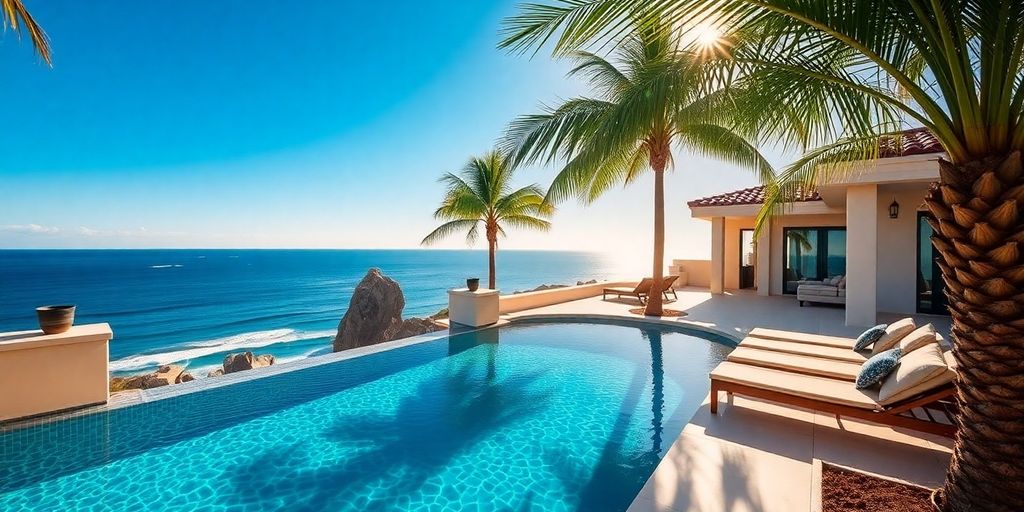 It’s pretty wild how much work-from-home has changed things, right? Suddenly, people aren't tied to their desks in big cities anymore. They're looking for places that offer more than just a place to sleep after a long commute. Think about it: why wouldn't you want to trade a cramped apartment for a place with ocean views and sunshine, especially when your job lets you do that? This shift is a huge deal for places like Los Cabos. It’s not just about having a nice house; it’s about the whole lifestyle. People want to work from somewhere that feels like a vacation, even if they're still logging in for meetings. This means places with great amenities, good internet, and a generally relaxed vibe are becoming super popular. It’s like the dream of working remotely is actually coming true for a lot of people, and they’re choosing destinations that offer that resort-style living.The Appeal of Resort-Style Living for Remote Workers
* Work-Life Balance: The ability to step away from your desk and be by the beach or pool is a massive draw. It makes the workday feel less like a grind. * Amenities: Access to things like gyms, spas, and good restaurants right where you live makes life easier and more enjoyable. * Community: Many of these places offer a sense of community, which can be great for networking or just meeting new people. > The demand for properties that blend living and working spaces with resort-like amenities is growing. It’s about investing in a lifestyle that supports well-being and productivity.Key Features Remote Workers Seek
* Reliable High-Speed Internet: This is non-negotiable. Without it, working remotely is impossible. * Dedicated Home Office Space: Even in a resort setting, a quiet, functional space for work is important. * Access to Outdoor Activities: Being able to enjoy nature, whether it's hiking, swimming, or golf, is a big plus. This trend is really reshaping how we think about where we live and work. It’s not just about having a job; it’s about designing a life that you actually enjoy, and places like [Los Cabos](https://www.snellrealestate.com/why-los-cabos-is-the-ultimate-destination-for-digital-nomads-remote-professionals/) are perfectly positioned to offer that.Examples of Properties Catering to This Trend
* Ocean View Penthouses: Offering stunning views and ample space for both living and working, these are highly sought after. * Condos in Amenity-Rich Communities: These provide access to shared facilities like pools, gyms, and social areas, enhancing the living experience. * Villas with Private Offices: For those who need more privacy and space, villas with dedicated office rooms are ideal.7\. Vacation Homes and Rental Income
It seems like everyone's looking for a vacation home these days, and honestly, who can blame them? Especially with so many people working remotely, the idea of having a place in a sunny spot like Cabo and being able to rent it out when you're not there is really appealing. It's like getting the best of both worlds – your own getaway and a way to make some money from it. The rental market globally has been pretty strong for a while now. Demand is just high, and sometimes it feels like there aren't enough places to go around. This is why you see big real estate companies setting up shop in popular vacation spots in Mexico. They're there to help people buy these kinds of properties. For example, The Agency, a pretty big name in real estate, has expanded its presence in Mexico quite a bit, opening offices in places like Los Cabos and Riviera Maya. They're really focusing on these resort areas.Why Vacation Homes Make Sense Now
* Income Generation: Renting out your vacation home when you're not using it can cover expenses and even provide a steady income stream. * Lifestyle Investment: Beyond just a place to stay, these homes offer a lifestyle upgrade, often in desirable locations with great amenities. * Market Demand: The consistent demand for vacation rentals means your property is likely to be occupied frequently. > People are really investing in a lifestyle, not just a property. They want the brand value and the potential for long-term growth. If you're thinking about buying a vacation home in the $500,000 to $1 million range, it's worth checking out what's available. You can find some great options that offer beautiful views and access to resort amenities, making them perfect for both personal use and rental income. It's a smart move for many looking to balance their personal enjoyment with financial gain.8\. Global Rental Market Demand
The demand for rental properties worldwide is really picking up steam. It's not just about having a place to stay anymore; people are looking for more. Think about it, with more people working remotely and wanting a better work-life balance, the idea of renting a place that feels like a vacation spot is super appealing. This trend is pushing up demand in popular tourist destinations and places that offer a great lifestyle, even for those who aren't just visiting. Several factors are contributing to this surge: * Shifting Lifestyles: More people are prioritizing experiences and flexibility over traditional homeownership, especially younger generations. * Remote Work: The ability to work from anywhere means people can choose locations based on lifestyle, not just job proximity, leading them to consider rental markets in desirable areas. * Investment Potential: For many, rental properties are seen as a solid investment, offering consistent income and potential for appreciation. We're seeing a noticeable uptick in developer optimism, and experts are pointing to future rent growth. This is largely due to how supply and demand are playing out across different markets. It seems like the rental market has hit a low point and is now on the rise. This is good news for investors and people looking for rental options in places like Cabo. > The global rental market is experiencing a significant upswing, driven by evolving consumer preferences and the rise of remote work. This shift is creating new opportunities in desirable locations, transforming how people view and utilize rental properties for both living and investment purposes. This growing demand isn't limited to just one type of property either. From cozy apartments to spacious villas, the market is responding to a diverse range of needs. It's a dynamic situation, and understanding these trends is key for anyone involved in real estate, whether you're a buyer, seller, or investor looking at the [Mexican real estate market](https://jbrec.com/insights/rental-market-rebound-supply-demand-2026/).9\. Luxury Real Estate Firms in Mexico
The landscape of luxury real estate in Mexico is really something else, with a bunch of big players making moves. It’s not just about selling houses anymore; these firms are selling a whole lifestyle, especially in places like Cabo. They're bringing in international standards and services that really appeal to buyers looking for more than just a place to stay.Key Players and Their Role
When you look at who's actually doing the heavy lifting in this market, you see some familiar names, but also some that are really specializing in the high-end. Think about companies like Ruba, Consorcio Ara, and Grupo Garza Ponce. They've been around, building things, and now they're really focusing on what the luxury buyer wants. It’s a competitive scene, for sure, and getting financing is a big deal for these projects, whether it’s from banks or government groups.Branded Residences: A Growing Trend
One of the most interesting things happening is the rise of branded residences. These are places that have a well-known design name attached to them, like Armani or Elie Saab, and they come with hotel-level services. It’s pretty wild, but these places can actually sell for 30% to 60% more than regular developments. Mexico is actually a pretty big deal in this area, ranking fourth globally for branded residences and third for those currently being built. It seems like people are really into owning a piece of a brand, not just a property.The Agency's Expansion in Mexico
Speaking of big names, The Agency, a global real estate company, has really expanded its presence here. They’ve got offices in a bunch of places, including Los Cabos, Puerto Vallarta, and the Riviera Maya. This kind of expansion shows how much faith these big firms have in the Mexican market, especially with more people working remotely and looking for that resort-style living. It’s great for buyers because these firms can help with the complexities of buying property in a different country.Market Dynamics and Future Outlook
It’s clear that the market is being shaped by a few key things. Remote work is a huge factor, obviously, with people wanting to live in places like Cabo year-round. Then there’s the demand for vacation homes that can also earn rental income. The global rental market is still booming, and Mexico is a prime spot for that. The presence of established luxury real estate firms is helping to streamline the buying process and attract more international investment. > The focus is shifting from just owning property to investing in a lifestyle and a brand. This means developers and real estate firms need to think about amenities, services, and the overall experience they offer. It’s about creating a community and a sense of belonging, not just a building. These firms are really bringing a lot to the table, making it easier for people to invest in places like Cabo San Lucas, whether they're looking for a vacation home or a permanent residence. You can find some amazing luxury villas and explore different adventures in the area, which really adds to the appeal of buying property here. [Discover luxury villas](https://cabo.la/blog/your-guide-to-the-best-of-all-inclusive-resorts-in-cabo-san-lucas-mexico).10\. The Agency's Mexican Office Expansion
It looks like The Agency, a pretty big name in real estate globally, is really expanding its footprint here in Mexico. They've already got a presence in a bunch of cool spots like Los Cabos, Todos Santos, La Paz, Puerto Vallarta, Punta de Mita, Riviera Maya, and even San Miguel de Allende. That's seven offices now, which is quite a bit! This move makes sense, though, especially with how popular Mexico's resort towns are becoming for people looking to buy vacation homes or even just live the resort lifestyle year-round. With remote work being so common now, places like the Riviera Maya are seeing a huge jump in demand for branded residences, like a massive 233% increase expected over the next five years. It's not just about having a place to stay anymore; people are investing in a whole lifestyle and the value that comes with a well-known brand. > The expansion of firms like The Agency into Mexico's key markets is a direct response to the growing demand from both domestic and international buyers. These buyers are increasingly looking for properties that offer not just a place to live, but a complete lifestyle experience, often supported by established brands and services. This trend is particularly evident in popular tourist and remote work destinations. This growth in branded residences is happening all over the world, not just here. Places like Dubai and Miami are seeing similar booms. It really shows that people are prioritizing things like home offices, spaces for wellness, and community amenities when they're looking for a new home. Plus, with the global rental market staying strong, these properties can also be a good source of income. It's a smart move for The Agency to be putting down more roots in these hot markets, especially as the [Mexican commercial real estate market](https://www.openpr.com/news/4123199/mexico-commercial-real-estate-market-set-to-reach-68-52-billion) continues to show strong potential.11\. Mexican Housing Market Resilience
The housing market in Mexico has shown some real staying power, which is pretty interesting when you think about everything else going on globally. It’s not just about prices going up; it’s about the underlying demand and how people are actually living. For instance, a big chunk of homes, like 69%, are owned outright. That’s a lot of people who aren’t dealing with mortgages, which probably makes them less sensitive to economic ups and downs. Plus, only about 15% of homes are rented, so it’s not a market heavily reliant on rental income for stability.Factors Contributing to Resilience
* High Homeownership Rates: As mentioned, a large percentage of Mexicans own their homes, often outright. This creates a stable base. * Consistent Price Growth: Even with economic fluctuations, the national house price index has seen steady increases over the past decade. For example, it went up by over 10% in Q3 2023 compared to the previous year. * Demand from Specific Buyer Groups: Remote workers looking for resort-style living and people buying vacation homes they can also rent out are adding consistent demand, especially in popular areas. > The market's ability to bounce back and continue growing, even with external pressures, points to a solid foundation built on owner-occupancy and steady demand from both domestic and international buyers seeking lifestyle and investment opportunities. It's also worth noting that while Mexico City is the priciest place to buy, other areas are seeing growth too. This diversification helps spread the market's strength. The overall trend is positive, with prices generally on the rise, though it does vary by region. It’s a market that seems to have a good grip on its own momentum, partly thanks to people wanting to put down roots and invest in their own spaces, maybe even snagging a place in places like [Cabo San Lucas](https://cabo.la/blog/cabo-tacos-worth-the-money-what-you-need-to-know) for a getaway.12\. National House Price Index Trends
Looking at the national house price index trends in Mexico gives us a pretty good idea of where things are headed. It's not just about one or two hot spots; the whole country is seeing some movement. Over the last decade, we've seen a pretty steady climb in home prices. For instance, in the third quarter of 2023, the average house price went up by more than 10% compared to the year before. If you take inflation into account, that's still a solid 5.5% increase. It’s interesting because, for a long time, the market was quite stable, but things have definitely picked up pace recently.National House Price Index Trends
* The national house price index saw a significant jump of 10.41% in 2022. This follows increases of 8.56% in 2021 and 5.38% in 2020, showing a consistent upward trend. * Mexico City consistently ranks as the most expensive place to buy a home. In Q3 2023, the average price there was over three million pesos, almost double the national average. * Despite regional variations, the overall direction for property values across Mexico has been positive. > The preference for owning a home outright is strong in Mexico, with a large percentage of households owning their properties, often without any outstanding debt. This financial stability among homeowners contributes to the overall resilience of the housing market. It's worth noting that while the overall trend is upward, different regions experience growth at different rates. Some areas might be booming more than others, which is pretty typical for any real estate market. If you're thinking about buying or selling, understanding these local nuances is key. It’s a good time to look into places like Cabo, which is really drawing attention for its lifestyle offerings, almost like a more relaxed version of a Las Vegas bachelorette party, but for living. [Cabo San Lucas offers](https://cabo.la/blog/why-cabo-bachelorette-parties-include-more-than-vegas-packages) a luxurious bachelorette party experience that rivals and often surpasses Las Vegas.Key Factors Influencing Price Trends
* Growing Middle Class: As more people enter the middle class, demand for housing naturally increases. * Urbanization: More people moving to cities puts pressure on housing supply, driving up prices in urban centers. * Remote Work: The shift to remote work has opened up new markets, with people seeking resort-style living, which can influence prices in desirable vacation destinations.Market Performance Snapshot (Q3 2023)
| Metric | Value | | --- | --- | | National Average Price | MXN 1.6 million | | Year-over-Year Increase | ~15% | | Mexico City Average Price | \> MXN 3 million | | Mexico City vs. National | Almost double | So, when we look at the national house price index, it paints a picture of a market that’s not only growing but also showing a lot of stability, especially when you consider how many people own their homes outright. It’s a pretty solid foundation for future growth.13\. Mexico City Homebuyers' Costs
When you're looking at buying a place in Mexico City, you've got to be ready for some sticker shock, especially compared to other parts of the country. It's definitely the most expensive market around. Think about it, the average home price here can easily hit around MXN 2.9 million, which is roughly USD 148,000. That's a pretty big jump from the national average, which sits closer to MXN 1.6 million.Prime Neighborhoods Drive Up Costs
Certain areas are just in a league of their own when it comes to price. Neighborhoods like Condesa, Polanco, and Roma are super popular because they're known for their cool architecture, vibrant culture, and great food scenes. Because of this, you're looking at prices that can range from USD 465 to USD 555 per square foot. It really makes you think about what you're getting for your money.Homeownership Trends in Mexico City
It's interesting to see how people own homes here. A huge chunk of homes, like 69%, are owned outright. That means people aren't usually taking out big loans to buy property. Only about 15% of homes are actually rented out. This preference for owning your place outright is pretty strong.Factors Influencing Housing Prices
Several things are pushing prices up in Mexico City. For starters, there's a real demand for housing, especially in those prime spots I mentioned. Plus, with more people working remotely, the idea of a "home office" means location isn't as tied to work anymore. This flexibility is opening up opportunities, but it also means more people are looking at desirable areas, which naturally drives up costs. It's a bit of a cycle, really. > The housing market in Mexico City is really active right now. People are buying homes, and prices are going up, especially in the fancier neighborhoods. It's a different ballgame than the rest of the country, for sure. It's worth noting that the overall residential real estate market in Latin America is expected to grow quite a bit, reaching about USD 771.74 billion by 2026. Mexico City is a big part of that growth, but it comes with a higher price tag for buyers looking to get into the market [in this region](https://www.mordorintelligence.com/industry-reports/residential-real-estate-market-in-latin-america).14\. Young Homebuyers Driving Demand
It's pretty interesting how much the younger generation is shaking things up in the Mexican real estate scene. We're seeing a real shift, with folks in their late twenties and thirties actively looking to buy property. This isn't just about having a roof over their heads anymore; it's about finding a place that fits their lifestyle, especially with so many people working remotely now. The old rule about needing to be close to the office? That's pretty much out the window for a lot of them. They're looking for space, maybe a dedicated home office area, and places that just feel good to live in, regardless of where their company is based. This opens up so many possibilities for developers across the country, not just in the big cities.The Rise of the Young Homeowner
It's not just a small trend either. A significant chunk of Mexico's population falls into this younger demographic, and they're really the ones driving demand for housing right now. Think about it: they're entering their prime earning years and are ready to invest in their future. This is especially true in areas that are seeing growth from tourism, like Los Cabos, or in booming economic zones like the Bajio region. Cities like Monterrey are also seeing a lot of activity because of the need for both homes and places to work.Shifting Priorities in Housing Choices
What's really fascinating is _why_ they're buying. It seems like the focus has moved beyond just location. People are looking for properties that offer more than just four walls. We're talking about places with better amenities, maybe good communal spaces, and definitely reliable internet – essential for that remote work setup. It’s like they’re investing in a lifestyle, not just a house. This means developers need to get creative, updating common areas and making sure the tech infrastructure is top-notch to meet these new expectations. It’s a big change from how things used to be, where being close to your job was the main thing.Impact on Property Development
This demand from younger buyers means developers have to adapt. They're not just building houses; they're building communities and experiences. This includes making sure there are good recreational facilities and that the overall design caters to a modern way of living and working. It’s a smart move for them to pay attention to these trends, as it directly impacts sales. For anyone looking to get into the market, understanding these buyer preferences is key. You can find some great information on the Cabo San Lucas experience to get a feel for what kind of lifestyle is attracting people to [luxury villas and resorts](https://cabo.la/blog/your-guide-to-the-best-of-all-inclusive-resorts-in-san-lucas-cabo).Key Demographics and Regional Growth
When we look at the numbers, it's clear that the under-30 crowd is a huge part of the market. They represent over half of the country's population, so their influence is massive. This is why we're seeing so much development in places like the Bajio zone and northern Mexico, as well as in popular tourist spots. It’s a mix of economic opportunity and lifestyle appeal that’s drawing people in and making them want to put down roots.15\. Impact of Remote Work on Housing
The shift towards remote work has really changed how people think about where they want to live. It’s not just about being close to the office anymore. Many people are now looking for places that offer a better quality of life, and that's where places like Cabo come in. This new way of working means that the location of your home isn't tied to your job's physical location. People can now choose to live in desirable vacation spots while still working effectively from their "home offices." This opens up a lot of possibilities for real estate development, as builders need to adapt to these new buyer preferences. Think about it: if you can work from anywhere, why not work from a place with great weather and amenities? This trend is a big deal for the [Cabo real estate market](https://www.findmexicohouses.com/blog/how-us-and-canadian-real-estate-trends-will-impact-the-baja-california-sur-market-fall-2026-spring-2026/). What does this mean for housing? Well, developments need to offer more than just a place to sleep. They need to cater to this lifestyle. This includes: * Better recreational facilities. * Reliable internet and tech infrastructure. * Spaces designed for working from home. It’s a pretty big change from the old way of thinking about housing, where commute times were a major factor. Now, it’s more about the overall living experience.16\. Real Estate Development Requirements
When you're looking at building new homes or developments, there are quite a few things developers need to consider. It's not just about having a good idea; there are practical requirements that shape what gets built and where. Think about zoning laws, for instance. These rules dictate what kind of buildings can go up in a specific area – residential, commercial, or mixed-use. Then there are building codes, which are super important for safety. They cover everything from how strong the foundations need to be to how many exits a building should have. Plus, you've got environmental regulations to think about, making sure projects don't harm the local ecosystem. It’s a lot to juggle. Here’s a breakdown of some key requirements: * Land Use and Zoning: Understanding local zoning ordinances is the first step. This determines the density, height, and type of structures allowed. * Building Codes and Standards: Adherence to national and local building codes is mandatory for structural integrity, fire safety, and accessibility. * Environmental Impact Assessments: Projects often require studies to assess and mitigate potential environmental effects, from water usage to wildlife impact. * Infrastructure Availability: Developers need to ensure access to essential services like water, sewage, electricity, and roads, or plan for their development. * Financing and Investment: Securing adequate funding is a major hurdle. This includes loans, equity, and sometimes government incentives. > The process often involves extensive planning and approvals from various government bodies. Getting these permits can take time and requires careful attention to detail to meet all the legal and regulatory demands. For anyone interested in the property market, understanding these development requirements helps explain why certain projects move forward and others don't. It's a complex system that balances growth with community needs and safety. For those looking at prime locations, like oceanfront homes, these requirements can significantly influence the feasibility and cost of new construction [oceanfront homes](https://ronival.com/why-invest-oceanfront-homes-benefits/).17\. Market Size and Forecasts
Market Size and Forecasts
Looking at the numbers, the Mexican real estate market is projected to see some solid growth over the next few years. We're talking about a market that was valued at around USD 14.48 billion in 2026. The forecasts suggest it could reach approximately USD 18.51 billion by 2030. That's a pretty decent jump, showing a compound annual growth rate (CAGR) of about 4.14% between 2026 and 2030. Here's a quick look at the projected market size: | Year | Market Size (USD Billion) | | --- | --- | | 2026 | 15.11 | | 2030 | 18.51 | This growth isn't happening in a vacuum, of course. Several factors are at play, including a growing middle class and increased urbanization, which naturally drive demand for housing. Plus, the trend of remote work is really changing how people think about where they want to live, pushing demand for resort-style living, which Cabo is famous for. It's interesting to see how these broader economic and social shifts translate into specific market performance, much like how trends in [El Salvador real estate](https://thewanderinginvestor.com/international-real-estate/el-salvador-real-estate-market-guide/) can be influenced by local economic factors. > The market is currently seen as having low concentration, meaning there's room for various players to establish themselves and grow. This suggests a dynamic environment where new developments and investment opportunities are likely to emerge. We're seeing different segments of the market perform well. Residential properties continue to be a major focus, but commercial and industrial sectors are also showing activity. The demand for vacation homes, especially in desirable locations like Cabo, is also a significant contributor to the overall market size and growth. It’s a complex picture, but the overall trend points towards expansion and opportunity.18\. Key Market Players
When we talk about the real estate market in places like Cabo, it's not just about a few big companies. There are actually quite a few players involved, from developers building new places to the agencies selling them, and even the investment firms backing these projects. It’s a mix of local builders and international names, all trying to grab a piece of this growing market. The market concentration is pretty low right now, meaning there’s room for many different companies to operate and grow. This is good news for buyers and sellers because it usually means more options and competitive pricing. Some of the key companies you'll see active in the Mexican real estate scene include: * Grupo Garza Ponce * Group Lar * Grupo Jomer * Grupo HIR * Inmobilia * Groupo Sordo Madaleno These companies are involved in various aspects, from developing large residential projects to managing properties. It’s interesting to see how they are adapting to new trends, like the demand for homes with dedicated office spaces or properties that offer resort-style living, which is a big draw for remote workers. The activity in the high-end market, with sales frequently going over $10 million, shows that there's a strong demand for luxury properties in Los Cabos, attracting significant investment. [See recent sales](https://caborealestateservices.com/los-cabos-residential-real-estate-market-report/). > The landscape is dynamic, with both established developers and newer firms vying for market share. This competition often drives innovation and better quality in the properties being offered, which ultimately benefits consumers. It’s a complex ecosystem, but one that’s showing a lot of promise for future growth.19\. Market Dynamics: Drivers and Restraints
The real estate market in Cabo, like any other, has its ups and downs, driven by a mix of factors that push it forward and some that hold it back. It’s not just about sunny days and pretty beaches, though those certainly help!Drivers
Several things are really pushing the market forward. For starters, there's a noticeable increase in demand from younger buyers looking to get into the property market. This demographic shift is significant. Also, the average price of homes in Mexico has been climbing, which, while it might seem like a restraint, also indicates a healthy, growing market. This upward trend in property values is a key indicator of market strength. * Growing demand from younger demographics: More and more people in their 20s and 30s are looking to buy property. * Rising average housing prices: This shows increased value and investment potential. * Increased urbanization: As cities grow, so does the need for housing, pushing development and sales. * Expanding middle class: A larger middle class means more people have the financial means to invest in real estate. > The overall economic climate and government policies play a big role too. When things are stable and supportive, the market tends to do better. It’s a complex web of influences.Restraints
On the flip side, there are challenges. A big one is the lack of affordable housing options. When starter homes are hard to come by or too expensive, it can slow down the market for first-time buyers, impacting the entire chain. Economic instability is another major concern. If the economy takes a hit, people tend to hold off on big purchases like homes. This can create uncertainty for both buyers and sellers. You can see how the [Cabo San Lucas property market](https://thelatinvestor.com/blogs/news/cabo-san-lucas-property) is performing, but these broader economic factors affect everywhere. * Limited affordable housing: This can be a barrier for many potential buyers. * Economic instability: Fluctuations in the economy can make people hesitant to invest. * Interest rate fluctuations: Changes in borrowing costs directly impact affordability.Opportunities
Looking ahead, there are definitely opportunities. The growth of the middle class is a big plus, as it means more people have disposable income and the desire to own property. Plus, increased urbanization means more people are moving to cities and looking for places to live. These trends suggest continued demand and potential for growth in the coming years.20\. Growing Middle Class Population
It’s pretty interesting how Mexico’s economy is shaping up, especially when you look at the growing middle class. This group is becoming a really big deal for the housing market. Think about it: more people with a bit more disposable income means more people looking to buy their first home, upgrade to something bigger, or even invest in a vacation spot. This isn't just a small trend; it's a significant shift that’s fueling demand across the board. We're seeing this play out in different ways. For instance, the younger generation, those under 30, are a huge part of the population and are actively looking for places to live. This demographic is really driving the need for new housing developments. Plus, with more people moving into cities for work and opportunities, the demand for apartments and condos in urban centers is going up. It’s a cycle where economic growth leads to more people entering the middle class, and that, in turn, boosts the real estate sector.Factors Contributing to Middle Class Growth
* Increased Employment Opportunities: As the economy expands, more jobs are created, leading to higher incomes for a larger segment of the population. * Access to Credit: Better access to mortgages and financing options allows more people to afford homeownership. * Education and Skill Development: A more educated workforce often translates to higher earning potential and a stronger middle class. This expansion of the middle class is a positive sign for the overall health of the country and, specifically for us, for the real estate market in places like Cabo. It means a more stable and growing customer base for properties. It’s not just about luxury buyers anymore; there’s a broader market emerging that wants to invest in their future and lifestyle. This growing purchasing power is a key reason why places like Cabo San Lucas are seeing sustained housing demand, making it an attractive location for [real estate investment](https://homesincabosanlucas.com/real-estate-investment-in-cabo-san-lucas/). > The rise of the middle class isn't just about numbers; it's about people achieving financial stability and looking for ways to improve their living situations. This translates directly into a stronger, more diverse housing market.21\. Increased Urbanization
The Shift Towards Urban Centers
Mexico's real estate market is seeing a significant shift as more people move into cities. This trend, known as urbanization, is changing where and how people want to live. It's not just about having a roof over your head anymore; people are looking for places that offer a certain lifestyle, especially with the rise of remote work. Cities are becoming hubs not only for jobs but also for the kind of amenities and community feel that attract people, including those working from home. * Younger demographics are a major driving force behind this urban migration. As more young adults enter the housing market, their preferences are shaping development. They often seek modern living spaces with access to social and recreational activities. * The demand for 'home offices' is reshaping urban living. With the acceptance of remote work, the need to live close to a traditional office has lessened. This allows people to choose locations based on lifestyle and quality of life, often favoring areas with better amenities and community spaces. * Cities are adapting by improving infrastructure and public spaces. To attract and retain residents, urban areas are focusing on creating more appealing environments, including parks, cultural centers, and better public transportation, making them more desirable places to live and invest. > The move towards cities isn't just about jobs anymore. It's about creating a life that balances work, leisure, and community. Developers are taking note, building more than just housing – they're building neighborhoods designed for modern living. This growing urbanization is a key factor influencing the real estate market, pushing demand for diverse property types and encouraging new development strategies. It’s a dynamic landscape where lifestyle and location are increasingly intertwined, impacting everything from property values to rental yields. For those looking to invest or buy in Mexico, understanding these urban trends is pretty important, especially if you're considering places like Los Cabos, which offers a unique blend of resort living and community [Cabo San Lucas offers a luxurious experience](https://cabo.la/blog/is-all-inclusive-resorts-baja-cabo-san-lucas-really-worth-it-heres-the-deal-updated-for-20).22\. Sales and Rental Market Analysis
When we look at the sales and rental markets in Cabo, it's pretty clear things are moving. On the sales side, there's a steady demand, especially for properties that offer a certain lifestyle. People are buying, and they're not just looking for a place to stay; they're investing in an experience. This is reflected in the types of properties that are doing well – think places with great amenities and those that are well-suited for remote work or vacation rentals. The rental market is also quite active. With Cabo being such a popular tourist destination, short-term rentals are a big draw. But it's not just about tourists anymore. We're seeing more people looking for longer-term rentals, perhaps as they explore the possibility of relocating or spending extended periods here. This dual demand from both buyers and renters is really shaping the market. Here's a quick look at how things are shaping up: * Sales Market: Driven by lifestyle buyers and investors looking for capital appreciation. * Rental Market: Strong performance from both short-term vacation rentals and growing interest in longer-term leases. * Property Types: Condominiums and villas are particularly popular, catering to different buyer needs and rental preferences. It's interesting to see how these two sides of the market interact. High demand in sales can sometimes put pressure on rental availability, and vice versa. Understanding these dynamics is key for anyone looking to invest or find a place in Cabo. > The interplay between sales and rentals creates a dynamic environment. Properties that perform well in one sector often see benefits in the other, creating a positive feedback loop for investors and homeowners alike.23\. Regional Market Trends
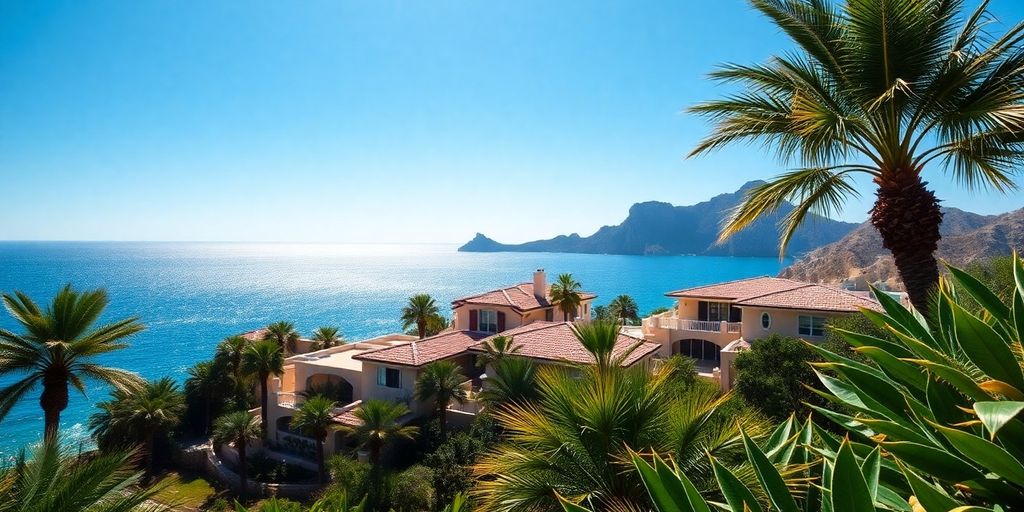 When we talk about the real estate market in Mexico, it's not just one big blob. Different areas have their own vibe and growth patterns. For instance, the Pacific coast, especially places like Cabo, has been a hot spot for a while now. People are really drawn to the lifestyle and the investment potential there. On the other hand, you've got cities like Mexico City, which have their own set of dynamics. We're seeing a lot of younger buyers coming into the market there, which is changing things up. It's interesting to see how these regional differences play out. Here's a quick look at how things are shaping up in a few key areas: * Baja California Sur (including Cabo): This region continues to see strong demand, particularly from international buyers looking for vacation homes and investment properties. The luxury segment is doing particularly well here. * Riviera Maya (Cancun, Playa del Carmen, Tulum): Similar to Cabo, this area is popular for tourism and second homes. Development is ongoing, with a focus on resorts and condos. * Mexico City: As a major economic hub, it attracts a diverse range of buyers. The demand for modern apartments and well-located homes remains high, especially from young professionals. It's clear that understanding these regional trends is key to getting a handle on the overall Mexican real estate picture. Each area has its own story and its own set of drivers. For example, the appeal of [Cabo villas](https://cabo.la/blog/why-smart-travelers-book-cabo-villas-instead-of-5-star-hotels) is quite different from the demand for urban apartments in the capital. > The market isn't uniform; what's happening in a coastal resort town is a world away from what's going on in a bustling metropolis. Each region has unique factors influencing property values and sales activity.24\. Property Types: Apartments, Condominiums, Villas
When we talk about property types in Cabo, it really boils down to a few main categories that buyers are looking at. You've got your apartments and condominiums, which are super popular, especially for people who want a lock-and-leave lifestyle or are looking for rental income. Then there are the villas, which are often larger, more private, and come with their own amenities like pools and gardens. It's not just about the size, though; it's about what kind of experience you're after.Apartments and Condominiums
These are often the go-to for many investors and second-home owners. They tend to be more maintenance-free, which is a big plus when you're not living there full-time. Plus, many complexes offer shared amenities like pools, gyms, and security, adding to the convenience. We're seeing a lot of new developments focusing on these types of units, often with modern designs and great views. For digital nomads, these can be a fantastic base, offering a comfortable place to live and work while tapping into the local scene. Many are looking for places that allow them to [live comfortably and productively](https://www.bajaproperties.com/blog/why-digital-nomads-are-buying-homes-mexicos-riviera-hotspots/).Villas
If you're looking for more space and privacy, villas are definitely the way to go. These can range from charming beachfront properties to sprawling estates in the hills with panoramic ocean views. They often appeal to families or groups who want more room to spread out and enjoy their vacation time. The investment in a villa can also be substantial, but the potential for rental income, especially for larger properties that can accommodate multiple families or groups, is significant. Some of these high-end villas are designed with luxury in mind, featuring top-tier finishes and private facilities. > The choice between an apartment, condo, or villa often comes down to personal preference, budget, and how you plan to use the property. Each offers a different lifestyle and investment potential in the Cabo market.25\. Market Estimates and Forecasts, 2017-2030 and more
Looking at the numbers, the real estate market is projected to see some solid growth over the next few years. We're talking about a market that was valued at around USD 14.48 billion in 2026. The forecasts suggest it could reach about USD 18.51 billion by 2030. That's a pretty decent jump, showing a compound annual growth rate (CAGR) of roughly 4.14% between 2026 and 2030.Market Size and Forecasts (2017-2030)
Here's a breakdown of the estimated market sizes: | Year | Market Size (USD Billion) | | --- | --- | | 2026 | 15.11 | | 2030 | 18.51 | This kind of expansion isn't happening in a vacuum. It's influenced by a lot of factors, like how many people are buying homes, rental demand, and even broader economic trends. It's interesting to see how these projections stretch all the way back to 2017 and forward to 2030, giving us a long-term view of the market's trajectory. Understanding these trends can help anyone looking to invest or sell in the current market. > The market is showing a steady upward trend, with various segments contributing to its overall expansion. This sustained growth indicates a healthy and developing real estate sector.Key Market Drivers
Several factors are pushing this growth forward: * Growing Middle Class: More people have more disposable income, leading to increased demand for housing. * Urbanization: As cities expand, the need for residential and commercial spaces grows. * Remote Work Trends: The shift to remote work has made places like Cabo more attractive for people seeking a different lifestyle, boosting demand for vacation homes and second residences. * Investment Potential: The prospect of rental income and property value appreciation draws both local and international investors. You can find more information on [Mexico's housing market resilience](https://www.sciencedirect.com/science/article/pii/S294985622500056X).Market Restraints
Of course, no market is without its challenges: * Economic Fluctuations: Global or local economic downturns can impact buyer confidence and purchasing power. * Interest Rate Changes: Rising interest rates can make mortgages more expensive, potentially slowing down sales. * Regulatory Changes: New government policies or regulations could affect development and property ownership.Looking Ahead: What's Next for Cabo Real Estate?
So, what does all this mean for the Cabo real estate scene? It looks pretty good, honestly. We're seeing a lot of people, especially younger buyers, wanting homes that fit a new way of living, with space for offices and places to relax. Plus, with more folks working remotely, places like Cabo are super attractive for that year-round resort villas in Cabo feel. It's not just about buying a vacation spot anymore; it's about investing in a lifestyle that many are now seeking. The market has been strong, and with these trends, it seems like prices will keep going up. It’s definitely a market to watch if you're thinking about buying or selling.Frequently Asked Questions
What's the main reason for the growth in Mexico's real estate market?
Mexico's real estate market is growing fast, especially in places like the Riviera Maya. Experts think it could grow by more than 50% by 2030. This is partly because more wealthy people want to buy homes there, and many people are choosing to work from home and live in nicer, resort-like places.Are branded homes becoming more popular in Mexico?
Yes, there's a big increase in 'branded residences.' These are homes linked to famous hotel or lifestyle brands. People are buying them not just for the house, but for the lifestyle and the brand's reputation. This trend is happening all over the world, not just in Mexico.How is remote work affecting where people want to live in Mexico?
Many people who work remotely are looking for places that feel like a vacation all year round. They want homes with good spaces for working from home and areas for relaxing and staying healthy. Because of this, they're choosing places like the resort towns in Mexico.Why are people buying vacation homes in Mexico?
Buyers are often purchasing vacation homes that they can use themselves and then rent out to others when they're not there. This is a good way to earn extra money, especially since renting out homes has been very popular lately.Is the housing market in Mexico stable?
The Mexican housing market has been strong and steady. Prices have been going up each year. While some areas might be more expensive than others, the overall trend shows prices are increasing.What are the future predictions for Mexico's housing market?
The market is expected to keep growing. By 2030, it's predicted to be worth over 18 billion dollars. This growth is fueled by young people buying homes and the overall increase in people wanting to live in Mexico's attractive areas.Find Your Perfect Villa in Cabo
Discover luxury villa rentals with private pools, ocean views, and concierge service for an unforgettable Cabo vacation.
Browse Luxury VillasStay in the Loop
Get the latest Cabo travel tips and exclusive deals delivered to your inbox.