

Cabo San Lucas: Navigating the Peso & Dollar – Your Essential Money Guide for Travelers

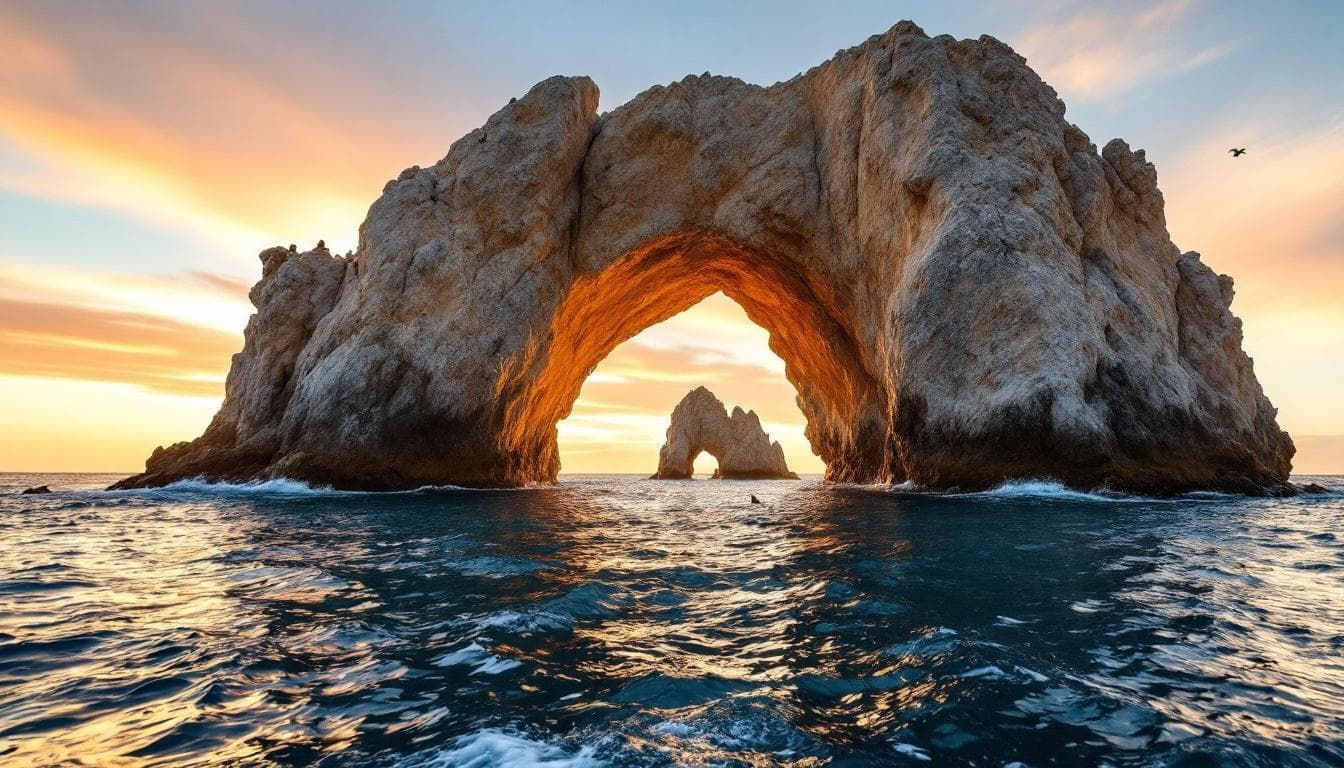
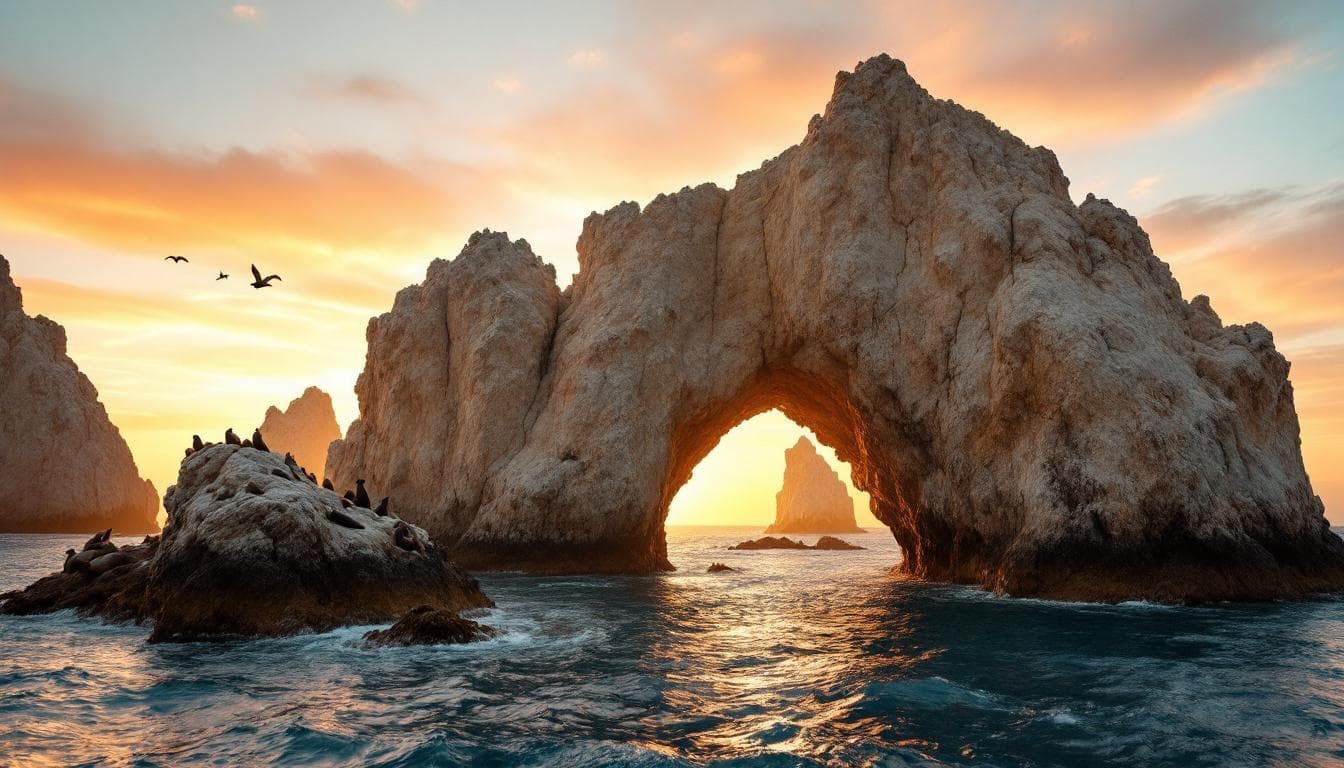
The sun, a molten disc, was just beginning its slow descent, painting the sky over Land's End in hues of fiery orange and deep violet. I sat at a table at El Farallon, the Pacific Ocean's roar a constant, rhythmic bass line beneath the clinking of ice in my glass. A fresh-caught snapper, grilled to perfection, sat before me, a symphony of flavors that only Baja can produce. The bill, when it arrived, was a testament to the experience: magnificent, memorable, and substantial. And in that moment, as I reached for my wallet, I was reminded, as I often am, that while the beauty of Cabo is priceless, understanding its currency, its rhythm of exchange, is what truly unlocks its magic for travelers. This isn't just about money; it's about mastering the art of the Cabo experience without getting fleeced, feeling frustrated, or missing out.
Forget the stale, generic advice you’ve read elsewhere. I’ve lived here for years, watched this town transform from a sleepy fishing village into a global luxury destination. I’ve seen the good, the bad, and the downright tourist traps. This isn’t a dry lecture on exchange rates; it’s your insider’s playbook, scraped together from countless meals, boat trips, and late-night negotiations. So, let’s talk pesos, dollars, and how to make your money work for you, ensuring your Cabo adventure is pure gold, not fool’s gold.
The Great Peso vs. Dollar Debate: A Local's Take
It’s the first question everyone asks, and it’s a valid one: “Should I bring USD or exchange for pesos?” The simple answer is: a bit of both, but lean heavily towards pesos. Yes, nearly everywhere in Cabo San Lucas, especially in the tourist corridor, will accept U.S. dollars. Hotels, high-end restaurants like Cayao with its exquisite Japanese fare, and even many of the smaller shops will gladly take your greenbacks. But here’s the rub, the subtle sting that adds up: the exchange rate you get from a vendor is rarely, if ever, in your favor. They’ll round up, round down, or simply use a less-than-optimal rate to make a little extra on the transaction. It's not malicious; it's just business.
Think about it: when you’re haggling for a souvenir at the marina, or paying for a quick taco fix from a street cart (and you absolutely should, the street food here is divine), paying in pesos will always get you a better deal. It shows you’re a savvy traveler, not just another gringo with a wad of cash. I always recommend arriving with a small amount of pesos, enough for your initial taxi ride from the airport and perhaps a quick snack. After that, hit an ATM.
Where to Get Your Pesos: The ATM Strategy
Resist the urge to exchange money at the airport; their rates are notoriously bad. Instead, once you’re settled, seek out ATMs affiliated with major banks like HSBC, Banamex, or Santander. You'll find them inside grocery stores like La Comer or Walmart, or in secure bank branches. Avoid the standalone, generic ATMs you often see on the street or in small convenience stores – their fees are often exorbitant, and while rare, they can be more susceptible to skimming devices. Always cover the keypad when entering your PIN, a good practice anywhere you travel.
Expect a transaction fee, usually around 30-70 pesos (roughly $1.50-$4 USD), plus whatever your home bank charges for international withdrawals. To minimize fees, make fewer, larger withdrawals rather than many small ones. When the ATM asks if you want to be charged in USD or MXN (pesos), *always choose MXN*. If you choose USD, the ATM provider will use its own, often terrible, exchange rate, a practice known as Dynamic Currency Conversion, and it will cost you more. Your bank back home will give you a much better exchange rate.
Credit & Debit Cards: Your Best Friend (Mostly)
For larger purchases – your villa rental, an epic yacht charter, or a splurge at a high-end restaurant – credit cards are king. Visa and MasterCard are widely accepted, American Express less so, especially at smaller establishments. Always inform your bank before you travel to avoid your card being flagged for suspicious activity. Also, be aware of foreign transaction fees, typically 1-3% of each purchase. Many travel-focused credit cards waive these fees, so it’s worth checking your card’s benefits before you depart.
When paying with a card, you might be asked if you want to pay in pesos or dollars. Again, *always choose pesos (MXN)*. This allows your bank to handle the conversion at a more favorable rate. Keep an eye on your statements for any unauthorized charges, though I’ve personally found Cabo to be quite safe in this regard.
Tipping Etiquette: Showing Appreciation in Style
Tipping (propina) is customary and expected in Mexico, and it’s a crucial aspect of understanding money tips for travelers. The wages for service industry workers here are modest, and tips form a significant portion of their income. Be generous, especially when you receive excellent service.
- Restaurants & Bars: 15-20% is standard for good service. If you’re at a beach club like Mango Deck, and the servers are hustling drinks to your lounge chair, they’re working hard for that tip.
- Taxis: Tipping isn't strictly expected unless they go above and beyond (e.g., helping with heavy luggage, giving local recommendations). You can round up the fare, or add 10-20 pesos for a short ride.
- Tour Guides & Yacht Crews: This is where you really show your appreciation for an unforgettable experience. For a half-day Luxury Catamaran Leopard 52ft trip ($2200/day for up to 35 guests) or a fishing charter, 15-20% of the tour cost, split among the crew, is appropriate. For a full day on the magnificent Lagoon 65ft Catamaran ($6500/day for 20 guests), a more substantial tip for the captain and crew, recognizing their expertise and effort, is well deserved.
- Housekeeping: Leave 50-100 pesos per day for the cleaning staff at your hotel or villa. Leave it in a clearly marked envelope.
- Grocery Baggers: These are often older adults or students working for tips only. A few pesos per bag, 5-10 pesos total, is standard.
- Spa Services: 15-20% of the service cost.
Always try to tip in pesos if possible. It’s easier for the recipient and ensures they get the full value without needing to exchange currency themselves.
Budgeting for the Baja Dream: Villas, Yachts & Culinary Delights
Cabo San Lucas offers a spectrum of experiences, from budget-friendly taco stands to ultra-luxury villas and private yachts. Your villa choice alone can range from a few hundred dollars to thousands per night. Understanding how much things *really* cost is key to enjoying your trip.
Villas: Your Private Oasis
Let's talk real estate, because where you lay your head makes all the difference. You could be tucked away at Casa de las Palmas in Santa Carmela, a five-bedroom haven with mountain and garden views for $1235 a night – a tranquil escape perfect for families, away from the marina madness. Or, if beachfront is non-negotiable, Villa Mareas in Cabo Bello offers 5 bedrooms right on the sand for $1050, a steal for that view. But if you’re chasing that Pedregal high, the kind where the Pacific feels like your personal infinity pool, then Villa Fiesta, a 5-bedroom stunner, will set you back $1850 a night, but its walk-to-beach access in Pedregal Pacific is pure gold. For the ultimate indulgence, Villa Aurora, a 7-bedroom behemoth with marina views in Pedregal Pacific, commands $3000 a night – a true celebrity retreat. Overall, expect villa prices to range from $390-$4,100 per night, with an average around $1,733. Peak season (December-March) sees prices jump by as much as 40%.
Insider tip: Booking a villa with a private chef or stocking it with groceries upon arrival (which many concierge services offer) can actually save you money compared to eating out for every meal, especially for larger groups. Plus, nothing beats fresh guacamole by your private pool at Casa Rio De Luna in Cerro Colorado.
Yachts: Sailing the Sea of Cortez
Want to feel the spray? A Luxury Catamaran Leopard 52ft can whisk 35 of your closest friends across the Sea of Cortez for $2200 a day, complete with snorkeling gear and endless margaritas. Or perhaps you want something a bit more intimate, a Yacht Cruiser 35ft for eight, just $1250 a day, perfect for chasing the sunset or finding that elusive whale pod between December and April, when these gentle giants grace our waters. For an even more lavish affair, the Lagoon 65ft Catamaran offers unparalleled luxury for up to 20 guests at $6500 a day. Yacht charters in Cabo generally range from $300-$6,500/day, depending on size, amenities, and duration. Factor in tips for the crew, which are always appreciated.
Don't forget the adventures. From ATV tours in the desert to snorkeling at Chileno Bay, these range from $40-$350 per person. Always check what's included and if transportation is covered.
Dining: From Street Tacos to Michelin-Level Meals
Cabo's culinary scene is as diverse as its landscapes. You can eat incredibly well without breaking the bank. A few street tacos and a beer will set you back 100-200 pesos ($5-$10 USD). For a casual but delicious meal, like a pizza at Salvatore G's or a craft beer and burger at Baja Brewing Company in San José del Cabo, expect to pay 300-600 pesos ($15-$30 USD) per person. Places like Nicksan Cabo, renowned for its inventive Japanese-Mexican fusion, offer a fantastic mid-range option where you can have a memorable meal for $50-$80 per person.
Then there's the fine dining, where the real magic happens. El Farallon, with its dramatic cliffside setting, will easily run you $150-$250 per person once you include drinks and tip. Torote Restaurant at Valle del Sol offers exquisite seafood in a more refined, yet relaxed, atmosphere, also in the $100-$200 range. For a unique experience slightly off the beaten path, Oystera in Todos Santos (a lovely 1.5-hour drive north) offers a sublime oyster bar experience that’s worth the trip. These are the places where the ambiance, the service, and the sheer artistry of the food command a premium, and frankly, they’re worth it for a special occasion.
Practicalities & Insider Tips for Your Cabo Currency
- Small Bills are Your Friend: Always carry small denominations of pesos (50s, 100s, 200s). Breaking a 500 peso note for a 50 peso purchase can be challenging for smaller vendors and taxis.
- Haggle (Politely): In mercados (markets) and with independent vendors, a bit of polite haggling is expected and part of the cultural experience. For example, if you’re buying a bracelet from a vendor near the marina, you can try offering 70-80% of the asking price. Start by asking, “¿Cuánto cuesta?” (How much does it cost?) and then gently counter-offer.
- Be Wary of Timeshare Pitches: You’ll likely be approached by people offering “free” excursions or heavily discounted activities in exchange for attending a timeshare presentation. These can last hours, and the promised discounts often aren't worth your precious vacation time. If you decide to go, know exactly what you’re getting into and be firm.
- Check Your Bill: Especially in restaurants, quickly review your bill for any extra charges or errors. It’s rare, but it happens.
- Keep an Emergency Stash: I always keep a separate, small amount of USD cash ($100-$200) hidden away as an emergency fund. You never know when you might need it.
- Best Time to Visit: While the water temperature is a balmy 70-85°F year-round, the best weather is typically October to June. Whale watching season (December to April) is magical but also peak season, meaning higher prices. August to October carries a slight hurricane risk, but it's rare to experience anything more than afternoon rain. Flights from LAX are a quick 2.5 hours, making a spontaneous trip incredibly easy.
Ultimately, Cabo is a place of incredible beauty and vibrant energy. Don't let the thought of currency conversion or budgeting stress you out. With a little foresight and these cabo currency money tips for travelers, you'll navigate the financial landscape of Baja Sur with the confidence of a seasoned local, leaving you free to truly savor every sunset, every wave, and every unforgettable meal.
So, go ahead. Book that villa – perhaps Casa Margaritas with its stunning ocean views in Santa Carmela for $1120/night, or the secluded Villa Bahia De Los Frailes for $1450/night in Cabo Pulmo if you’re craving an escape to the East Cape. Charter that yacht. Eat those tacos. Drink that mezcal. But do it wisely, and you’ll find Cabo isn't just a destination; it's an addiction. And trust me, it’s one you'll want to feed.
Plan Your Cabo Trip With Us
Let our local experts help you plan the perfect Cabo vacation with villas, yachts, adventures, and dining reservations.
Start PlanningStay in the Loop
Get the latest Cabo travel tips and exclusive deals delivered to your inbox.